Make Texture a preferred source on Google to support us
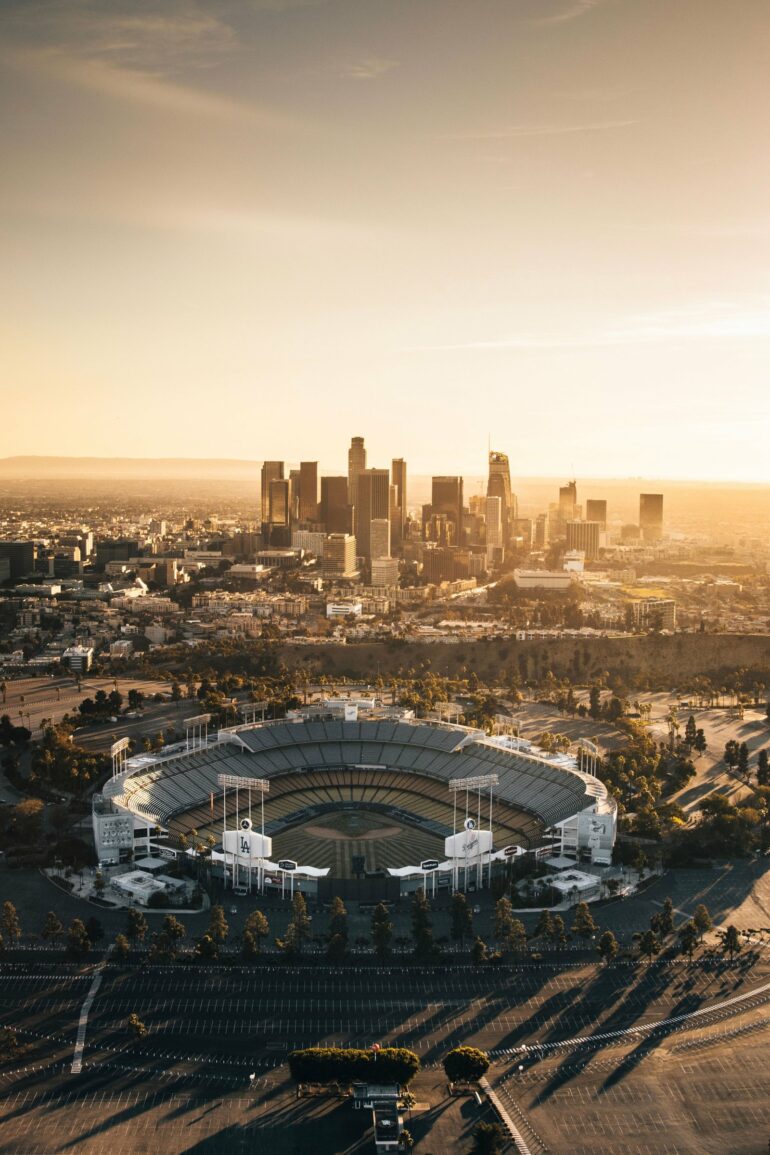
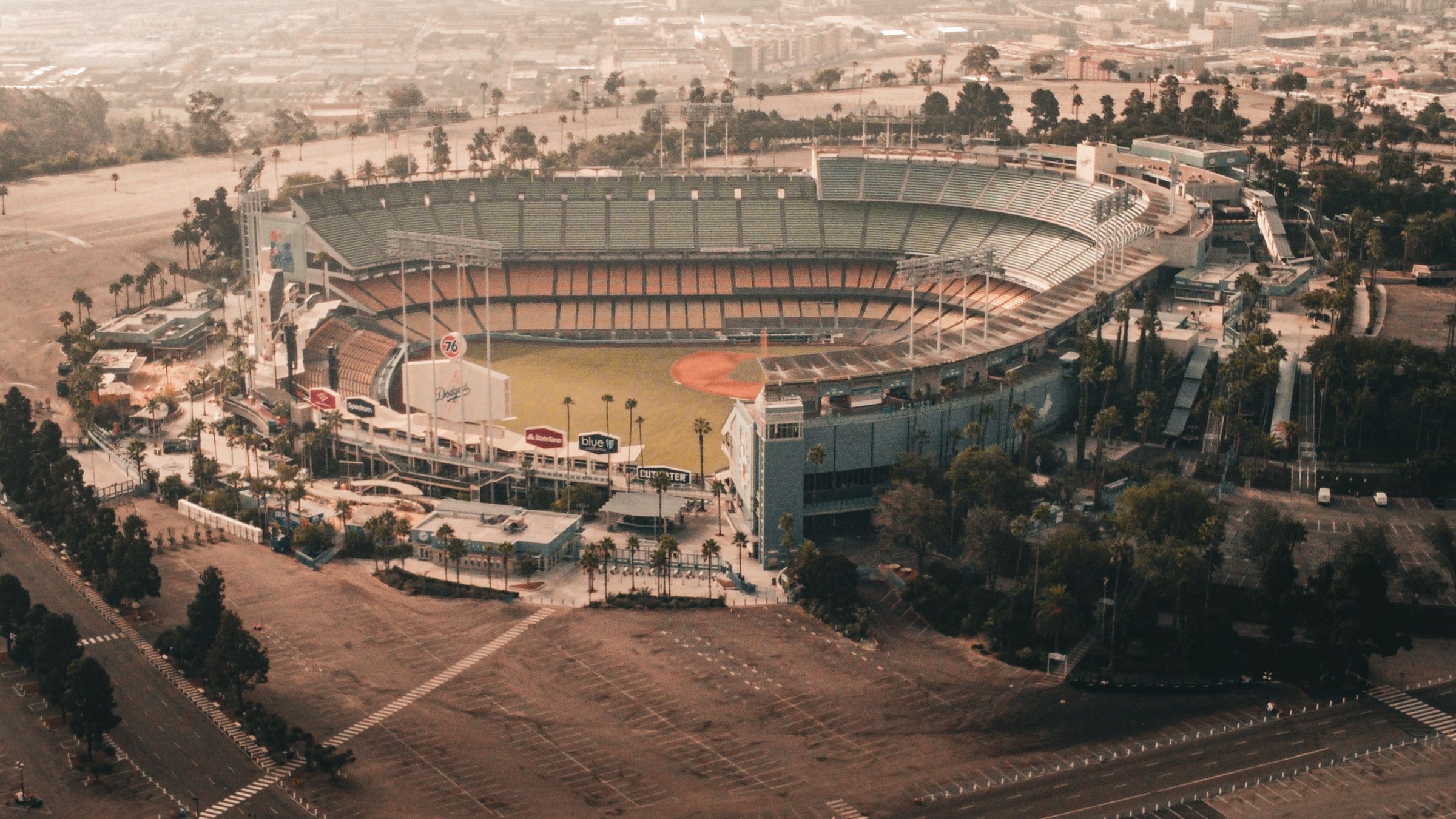
Add Texture to GoogleIn Los Angeles, nestled in the lush folds of Elysian Park, the Chavez Ravine landscape is home to a landmark of California culture that transcends the realm of mere sports entertainment. Opened on April 10, 1962, Dodger Stadium stands as an open-air showcase of mid-century modern design, where the structure recedes into the horizon to offer a unique visual experience. Nicknamed “Blue Heaven on Earth” by former manager Tommy Lasorda, this venue, located at 1000 Vin Scully Avenue, remains a landmark for lovers of architecture and urban history.
A Historic Landmark West of the Mississippi
Dodger Stadium holds a place as a veteran institution in the landscape of American baseball. While it is surpassed in longevity only by Boston’s Fenway Park, built in 1912, and Chicago’s Wrigley Field, dating back to 1914, it holds the title of the oldest Major League Baseball (MLB) stadium west of the Mississippi. Its opening game, played against the Cincinnati Reds, marked the beginning of a new era for the Los Angeles Dodgers franchise.
With a seating capacity of 56,000, it remains the world’s largest baseball stadium in terms of permanent seating capacity. This monumental scale in no way detracts from the building’s nostalgic charm, as it has stood the test of time without losing its original visual identity.

The Exception of Private Financing
Beyond its architectural design, the stadium’s history is inextricably linked to a bold business model. The project was entirely funded by private capital under the leadership of owner Walter O’Malley. Between 1959 and 1962, construction required an investment of $23 million—a considerable sum at the time, representing approximately 21.3 million euros at 1962 face value. Adjusted for inflation, this financial investment would be equivalent to more than $235 million today.
This strategy made Dodger Stadium the first MLB stadium to be entirely privately funded since the construction of Yankee Stadium in 1923. This financial autonomy remained a notable exception in the American institutional landscape for nearly forty years, until the opening of the current Oracle Park in San Francisco in 2000. Today, the stadium continues to evolve with the times, with the field recently renamed Uniqlo Field at Dodger Stadium following partnership agreements.
The stadium remains a cornerstone of Los Angeles’ heritage, rooted in the Chavez Ravine neighborhood, where it continues to embody a vision of sports that blends private prestige with popular fervor.