Make Texture a preferred source on Google to support us
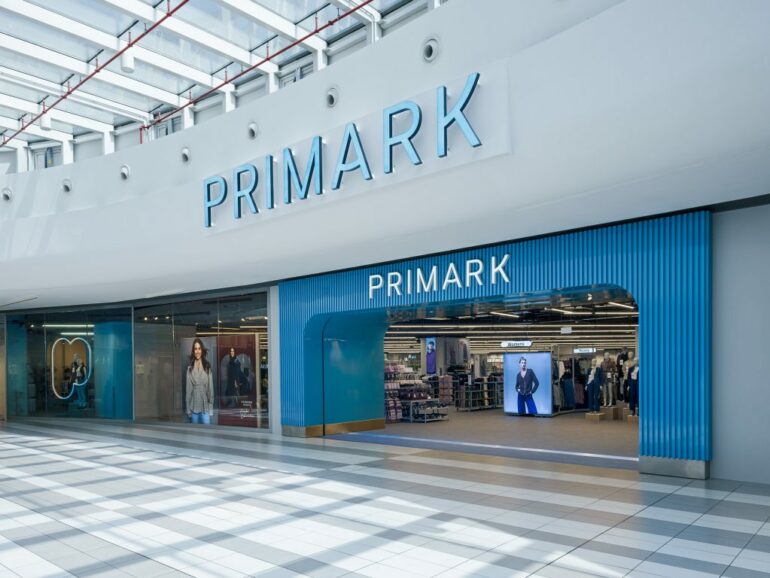
Add Texture to GoogleFive additional stores in Italy, including a new location in Naples, but sales down 2% across the Italian and French markets combined. This contrast highlights Primark’s challenge: expanding its footprint is not enough to boost consumer spending. The discount retailer now has 24 stores in Italy, up from 19 previously. It is expanding its presence, though this growth isn’t translating into higher revenue everywhere. Behind the store openings, a less spectacular question is emerging: how can existing stores grow when customers’ purchasing power is shrinking?
The Additional Store: A Driver and Indicator
Primark added 37 locations to its network during the fiscal year, bringing the total to 508 stores. This expansion remains its primary driver of growth. Over the 52 weeks ended September 12, the new locations contributed five percentage points to sales growth. However, total revenue rose by only 2% at constant exchange rates, reaching 9.8 billion pounds, or approximately 11.76 billion euros.
The discrepancy is largely due to the performance of the existing store network: on a like-for-like basis, sales declined by 2.6%. This figure changes the interpretation of the results. Primark continues to attract customers by opening new stores, but is not seeing the same momentum in its existing locations. This difference is critical for a retailer whose growth still relies heavily on brick-and-mortar stores.
The plan for the current fiscal year follows this same logic. New store openings are expected to contribute approximately 4% to sales growth. This represents the expected contribution from expansion, not an overall growth forecast. The fate of the existing network therefore remains crucial: depending on whether it stabilizes or continues to decline, the impact of the new store openings will vary.
Europe no longer speaks with one voice
The sensitive issue lies on the European continent, which accounts for 47% of Primark’s sales. Across this region, revenue fell by 1%, while like-store sales declined by 4.7%. With nearly half of the business affected, this weakness carries far greater weight than the trend in total revenue alone would suggest.
The picture is far from uniform, however. In Spain and Portugal, sales remained stable. France and Italy together posted a 2% decline. Further north, business is suffering in particular from weakness in Germany. These results point to several distinct market conditions, rather than a uniform loss of interest in Primark’s offerings.
The newer markets in Central and Eastern Europe are following a different trajectory, with 10% growth, driven by new store openings. Here we see the brand’s general dynamic: regions where the store network is expanding are driving growth, while some of the older locations are going through a difficult period. Italy illustrates the coexistence of these two trends. The number of stores there is increasing significantly, but the sales data published alongside France’s does not yet indicate a recovery.
In the United States, growth is still limited
Manhattan offers Primark a different perspective. The opening of a flagship store there marks a year of sustained expansion in the U.S.: 14 new store openings have brought the U.S. network to 47 locations. Five additional leases have already been signed. The retailer is thus continuing its expansion, with additional locations secured beyond the openings that have already taken place.
U.S. sales rose 13% for the fiscal year and 14% in the second half. This acceleration stands in contrast to the slowdown in the UK and the difficulties faced by parts of Europe. However, it is not enough to shift the group’s balance: the United States still accounts for only 6% of sales. Its momentum serves as a catalyst, not a counterweight of equal magnitude to the continental European market.
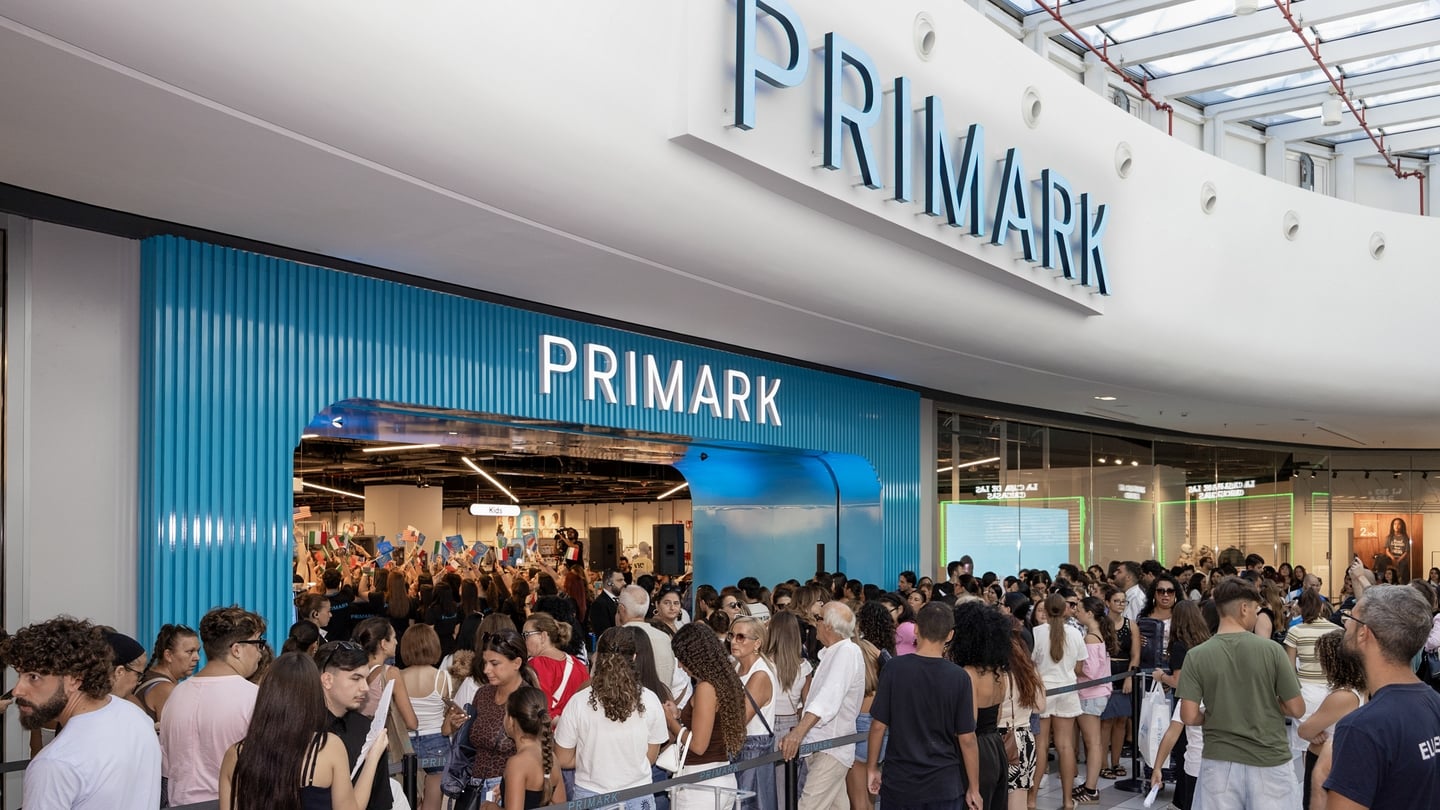
Expansion is also taking other paths. Primark has opened its first franchise-operated stores in Kuwait and Dubai. In Mexico, the search for initial store locations continues with partner El Puerto de Liverpool. It’s important to distinguish between these stages: the stores in the Gulf are open, while the Mexican project remains in the site-selection phase. Nevertheless, all of these initiatives contribute to the brand’s geographic expansion.
Low prices come at a cost
Primark’s challenge is not just to sell more. It is also to maintain the profit generated by each sale. Adjusted operating profit fell by 12% to 1 billion pounds, even as revenue rose slightly. The operating margin stood at 10.2%. For the current fiscal year, the group is targeting a level close to 10%.

This decline reflects several strategic trade-offs. Primark has increased its investments in pricing and products, as well as in marketing and digital initiatives. The retailer has also relied more heavily on sales. In other words, maintaining the appeal of its offerings and stimulating purchases requires resources that come at the expense of profitability. The expansion of the store network does not offset this pressure.
George Weston, CEO of Associated British Foods, Primark’s parent company, highlights the decline in consumer spending power. For a retailer positioned on low prices, this reality offers no automatic protection. A cash-strapped customer base may seek out cheaper items while limiting their purchases. The results clearly demonstrate the difficulty of translating a promise of affordability into same-store growth.
In the United Kingdom, the next hurdle is getting customers through the door
Primark’s largest market offers a more encouraging, albeit modest, response. In the United Kingdom, sales rose 2% year-over-year and 0.5% on a like-for-like basis. The pace has slowed, however: after a 3% increase in the first half of the year, the second half recorded only a 1% gain.
According to the company, the expansion of its product offering and increased spending on marketing and digital initiatives helped boost its market share to 6.9%. In-store pickup of online orders also played a significant role. Digital initiatives thus appear to be providing tangible support for the UK business, beyond simply serving as an investment in brand visibility.
The next step will be home delivery, which Primark plans to launch in the United Kingdom before its separation from the food operations of Associated British Foods. This change is worth noting: after linking online orders to in-store pickup, the retailer is preparing a service that will allow customers to have their purchases delivered to their homes. Its commercial impact remains to be seen, but the timing makes it one of the key initiatives leading up to the spin-off.
Preparing for Independence Amid Financial Pressure
The spin-off is expected in December 2027. It is being prepared against a challenging backdrop for Associated British Foods, whose annual revenue stands at 19.6 billion pounds, down 1% on a constant-currency basis. Its adjusted operating profit fell by 13% to 1.51 billion pounds. For 2026/27, the group anticipates a further decline in profitability, weighed down by the sugar business.
On the stock market, ABF shares fell 3.1%, bringing their year-to-date decline to 11.5%. Primark is thus moving toward autonomy with two distinct priorities: continuing to open new stores and revitalizing existing ones. Before the December 2027 deadline, the British retailer’s performance will provide a first concrete test of its ability to seek growth beyond simply opening new locations.