Make Texture a preferred source on Google to support us
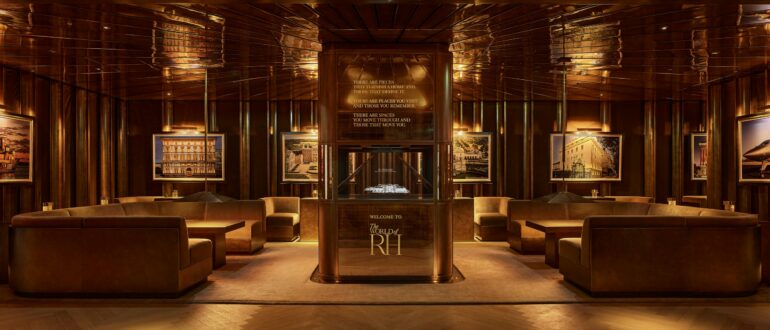
Add Texture to GoogleCrossing the threshold of a grand home on Avenue Montaigne, Via Monte Napoleone, or Place Vendôme used to be a rite of passage—a form of material achievement marking professional success or a significant personal milestone. Today, the experience is more like a psychological endurance test for one’s wallet. In the space of just a few years, the price tags on status symbols have undergone a drastic shift, reshaping the entire landscape of high-end consumption. The dizzying rise in prices is not simply the result of an adjustment linked to overall inflation. It reflects a deliberate redefinition of the social contract that had until now bound the luxury industry to its clientele. The price of admission has skyrocketed, leaving a whole segment of buyers—who believed themselves to be members of the club—out in the cold.
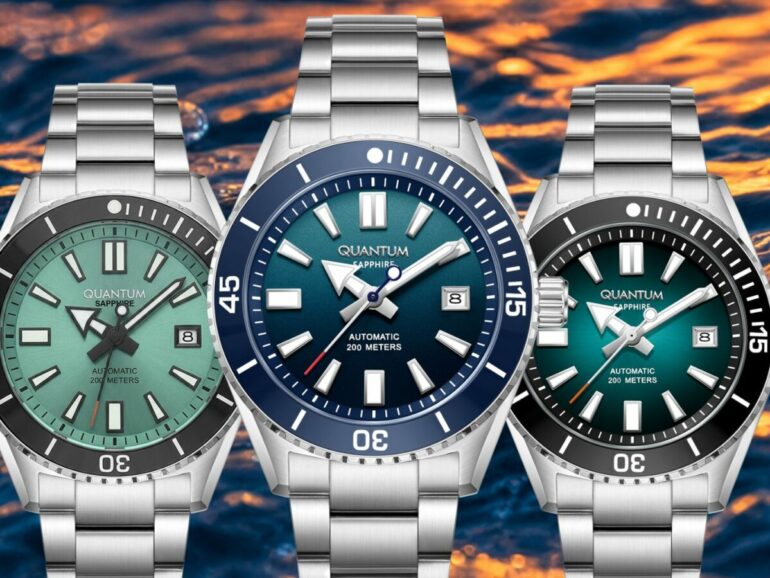
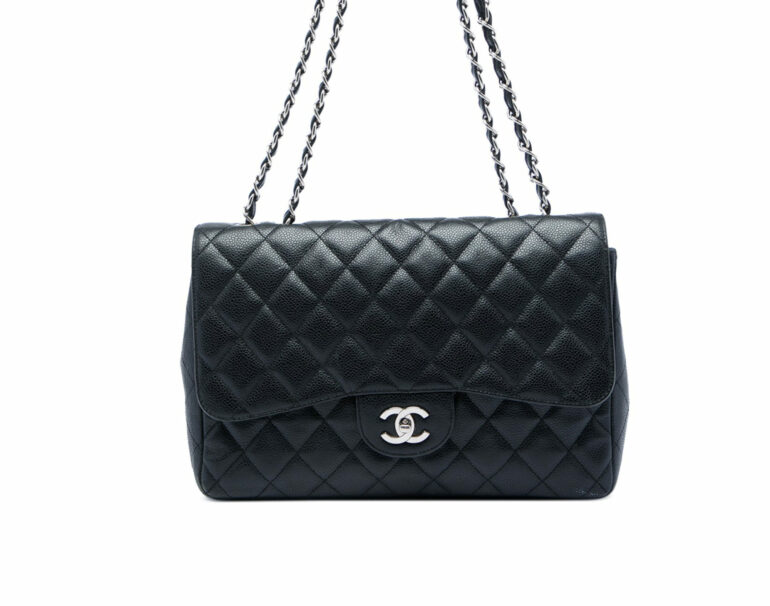
The mechanism at work is striking in its relentlessness. A leather bag whose design, proportions, and clasps have not changed by a single millimeter sees its face value jump by several thousand euros between two seasons. A steel watch, historically designed to serve as a gateway to the world of a prestigious Geneva-based watchmaker, now operates in price ranges that border on provocation for the vast majority of the population. This dynamic of deliberate distancing actually stems from an existential fear among executive boards: commoditization. By selling prestige to anyone who could save up enough months’ salary, the industry has come close to overheating. An object instantly loses its aura of superiority the moment it becomes a common sight on restaurant tables or in public transit. To restore the symbolic distance essential to the mechanics of desire, brands have deployed a lever of formidable effectiveness: the wall of money.
The industry’s excuse in the face of profit margins
To justify this continuous escalation, communications departments rely on a specific set of arguments. The official narrative invariably points to soaring production costs. Perfect hides are becoming scarce due to climate regulations, precious metals like platinum or rose gold are subject to the constant fluctuations of international markets, while the energy costs required to operate Italian tanneries or Swiss workshops are driving up overall expenses. Luxury brands also emphasize an ethical approach, which involves securing supply chains and providing fairer compensation to artisans who possess manual skills threatened with extinction. No one disputes the reality of these operational constraints. Crafting a timepiece with complications or hand-assembling a hard-shell suitcase requires colossal capital and the patient transmission of traditional techniques.
Yet simple arithmetic struggles to mask a glaring discrepancy. When a production line experiences a ten- to fifteen-percent increase in costs, the final product is often displayed in the window with a thirty- or even forty-percent price increase over the same period. This gap is reflected in the spectacular expansion of profit margins for global conglomerates. The price of an item is no longer determined by production costs but by a meticulous assessment of what the market can absorb without breaking. This phenomenon illustrates the Veblen effect in its purest form: demand for a status symbol grows as its price rises, because its value lies precisely in demonstrating the ability to afford it. Setting a prohibitive price becomes, paradoxically, an act of creating desire.
The Silent Exclusion of Aspirational Customers
This strategy of upward segregation enacts a ruthless social culling. Over the past three decades, the industry has built much of its brazen growth on the backs of so-called aspirational customers. Senior executives, professionals, and young working adults did not hesitate to devote an irrational portion of their income to acquiring a piece of the myth. They provided the volume—the critical mass essential to sustaining the expansion of retail networks around the world. Today, these same demographics find themselves mathematically excluded from the equation. Their salaries have not kept pace with the stratospheric rise in prices. Faced with a price tag that sometimes amounts to a down payment on a mortgage, the occasional buyer eventually gives up.
Luxury houses observe this exodus with serene indifference. A brand’s goal is no longer to sell thousands of affordable items, but to focus its efforts on smaller volumes sold at exorbitant prices. Optimizing profitability per customer has replaced the race for market share. It is a deliberate strategy of downsizing. By shedding the pressure associated with overcrowded retail spaces, these brands are restoring an air of exclusivity. Customers who are still willing to foot the bill can be certain they won’t come across their own reflection on every street corner. Clothing and accessories are once again becoming what they should never have ceased to be: markers of social stratification.
The Era of Super-Clients at the Top of the Pyramid
The forced exodus of the upper middle class is forcing the market to turn to a core group of buyers, referred to by the acronym VIC, short for Very Important Client. This financial elite, operating far removed from macroeconomic contingencies and inflationary crises, possesses virtually inexhaustible purchasing power. For this segment of the population, a price increase is no cause for concern. Better yet, it is reassuring. A bag sold for thirty thousand euros guarantees its buyer that no one in their social circle or among their colleagues will be carrying the same item the next day.

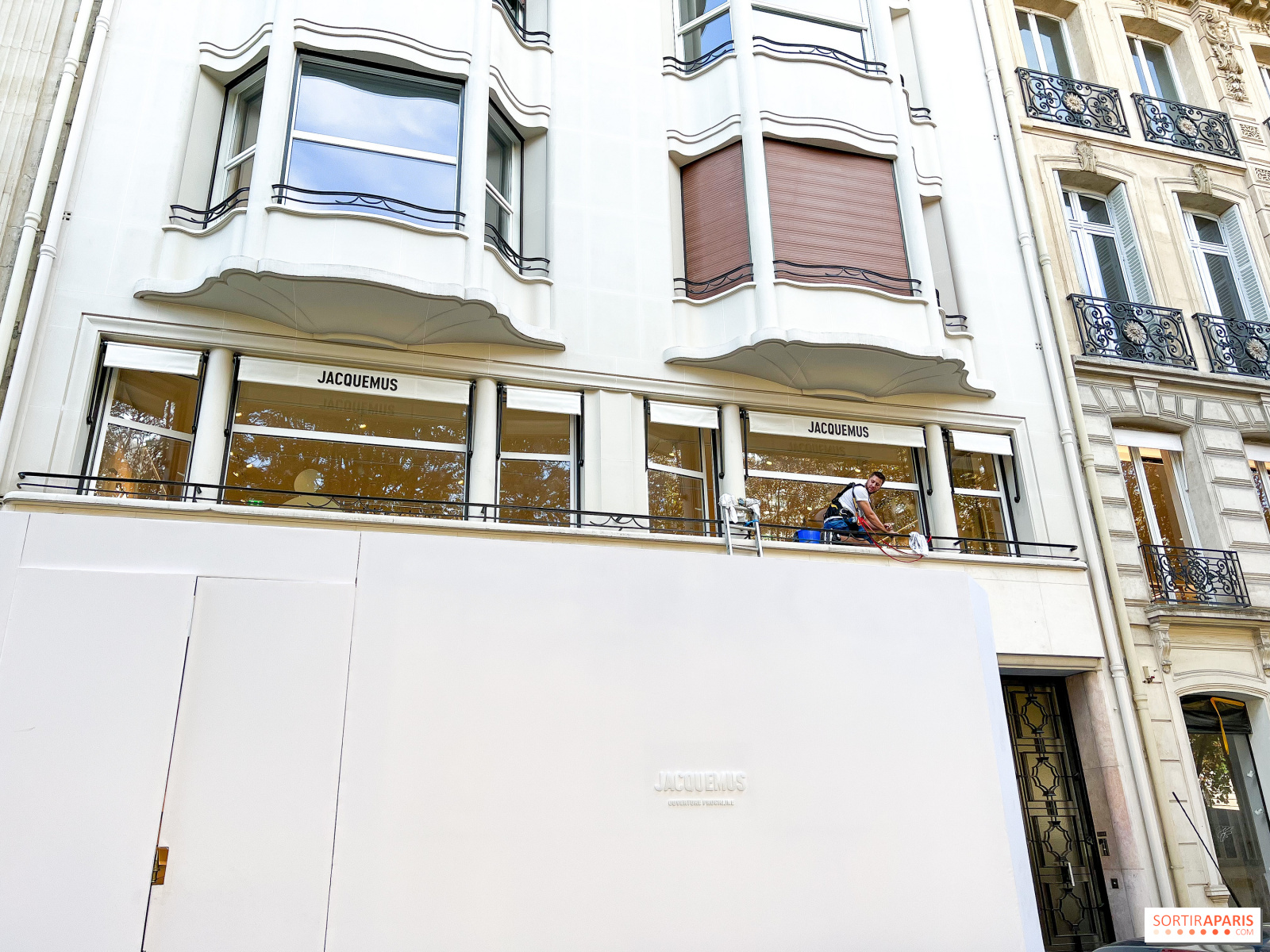
The service provided to this clientele transcends the usual norms of retail. The ground-floor retail space, open to passing pedestrians, is losing its importance in favor of areas invisible from the street. Major luxury brands are increasingly investing in private apartments located on the upper floors of prestigious buildings, where transactions take place in complete privacy. The physical product is now accompanied by experiences designed to capture the attention of highly sought-after clients: all-inclusive stays in Venetian palaces to unveil a collection of fine jewelry, private tours of historic workshops, or priority access to custom-made pieces. The brand is transforming into an exclusive circle, organizing the leisure time and social lives of its contemporary patrons.
Price validation through the secondhand frenzy
The drastic redefinition of the primary market is precisely reflected in the resale market. Historically, purchasing a luxury item meant accepting an immediate discount in the event of resale. Scarcity, skillfully orchestrated by manufacturers and workshops, has overturned this paradigm by transforming certain goods into speculative financial assets. On specialized platforms, a specific model of chronograph or carry-on bag trades well above its list price, driven by waiting lists that stretch for years.
This financialization of wardrobes lends moral and accounting legitimacy to the parent companies’ policies. When a collector knows full well that he can resell his watch with an immediate twenty percent profit the moment he walks out of the store, the listed price ceases to be a deterrent. The purchase is analyzed dispassionately, from the perspective of return on investment. This dynamic, however, masks an inherent fragility: it rests on the assumption of perpetual desirability. If a brand’s popularity were to wane, the correction would simultaneously affect both the pre-owned and new markets, depriving brands of their primary selling point.
The Risk of Unreciprocated Exclusivity
The voluntary isolation of luxury houses poses a major conceptual challenge in the medium term. Hyper-exclusivity hides a formidable trap. For a luxury item to fulfill its function as a status symbol, it must be recognized by the very people who cannot afford it. A piece of jewelry or a sports car loses its ability to project its owner’s status if the general public is completely unaware of the item’s aesthetic codes or value. A sort of reverse Veblen effect: by consistently excluding the general public from store windows and distribution networks, the brand risks erasing the popular culture that surrounds it.
By methodically pushing the limits of pricing, the sector is testing the resilience of its own myth in real time. The industry is banking on the uninterrupted emergence of new wealth, ready to replace the customers who were ousted the day before. The real unknown lies in the endurance of this system operating in a vacuum. Behind the reinforced doors of the fitting rooms, the thrill of the purchase will have to prove that it can survive without an audience.