Make Texture a preferred source on Google to support us
Add Texture to GoogleThe thermometer often calls the shots, pushing aesthetics to the sidelines as soon as the air turns cold. Yet the 2026–2027 winter season promises to defy this compromise. Gone are the days of submitting to purely utilitarian uniforms or, conversely, sacrificing comfort for the sake of style. The challenge emerging from upcoming collections rests on a subtle balance: asserting radical individuality while meeting the demands of the weather. Monolithic dictates are fading away. Fashion no longer prescribes a rigid “total look”; instead, it offers a vocabulary of shapes, materials, and bursts of color that everyone is invited to adapt. Personal expression is reclaiming its rightful place, rooted in a reality where clothing must first and foremost protect.
This shift toward a more intimate and pragmatic fashion is evident in the analysis by designer Anna Skorokhodova, interviewed by the Russian daily *Vechernyaya Moskva*. For the designer, blindly piling on the season’s trends is a dead end. Personalization takes precedence. This vision is shared by industry observers, from Who What Wear to Marie Claire, who interpret the Fall-Winter 2026–2027 collections as a vast playground centered on textural contrasts and bold silhouettes, where the art of layering takes center stage.
The Architecture of Clothing: Embracing Asymmetry and Volume
The timidity of form-fitting cuts gives way to a confident approach to garment geometry. Next winter’s design guidelines redefine the shoulders and waist with theatrical precision. Shoulders gain width, collars adopt unique structures, and asymmetries break up the monotony of traditional silhouettes. In this reinvention, the coat is no longer merely a protective layer; it takes on the role of a centerpiece. Whether through the exaggeration of its volume or the precision of a structural detail, it alone is enough to define the wearer’s intent.
This penchant for unconventional proportions also permeates the Resort 2027 collections. Marie Claire notes a fascination with cocoon-shaped pants and jackets fastened with highly structured stand-up collars. But this ample cut demands skill. The trick isn’t to pile on oversized layers at the risk of drowning the silhouette, but to let a generous piece breathe by pairing it with a more structured wardrobe. A single puffy or deconstructed element is enough to shift a classic outfit toward an unmistakable modernity.
The Associated Press echoes this sentiment in its analysis of the men’s fashion shows in Milan. Their reports highlight an ongoing dialogue between pure functionality—clothing that protects against the cold—and the inventiveness of the designs. While men’s fashion doesn’t systematically dictate the direction of women’s fashion, it confirms a global trend: uniformity is a thing of the past. Winter fashion is exploding into multiple directions, where urban survival wear coexists with sculptural design.
The Tactile Experience and the Science of Heat
In the depths of winter, the question of fabric often takes precedence over that of cut. Skin contact, thermal management, and the weight of the fabric become paramount selection criteria. In this regard, Anna Skorokhodova draws a clear line. Acrylic, often ubiquitous as soon as temperatures drop, is relegated to the background. The designer favors the elegance and effectiveness of natural fibers, citing alpaca, cashmere, and merino wool as the foundations of a successful sweater. She concedes, however, that a measured blend with other fibers may be technically sound to ensure a garment’s durability over time.
The range of textures for 2026–2027 is vast. From dense knits with relief patterns sculpted into the wool to high, enveloping collars, the textile industry is offering a wide variety of styles. Yet comfort remains a highly subjective matter. An extremely high-quality fiber can still prove irritating, reminding us that the physical experience of wearing a garment takes precedence over its label. This is where the “first layer” strategy comes into play. Thermal underwear slips under dress shirts or cardigans, regulating moisture and providing subtle warmth. They are no substitute for heavy coats in freezing weather, but they optimize the layering system based on the intensity of activity or temperature fluctuations.
When it comes to facing the elements, the trade-off between formal elegance and raw protection remains inevitable. The draped wool coat guarantees a flawless look, but shows its limitations in icy gusts. In contrast, the puffer jacket asserts itself. Far from its purely athletic heritage, it reinvents itself with statement collars, belted waists, or cocoon-like silhouettes. Choosing one is no longer just a matter of style, but a precise equation combining the garment’s length, the quality of the insulation, and the outer fabric’s ability to block the wind.
A Break from the Color Palette and Bold Contrasts
In contrast to the prevailing grayness, forecasts predict a wardrobe infused with rich pigments. Pantone’s report on New York Fashion Week for Fall/Winter 2026–2027 confirms the strong comeback of a striking color palette. The trend forecasting agency WGSN, analyzing the same New York Fashion Week, places particular emphasis on the predominance of red, paired with very structured silhouettes and the ubiquity of knitwear. Anna Skorokhodova broadens this spectrum by suggesting the inclusion of deep purples, burgundy, intense greens, and electric blues.

However, these color recommendations should not be interpreted as absolute rules. Wearing a bold shade from head to toe is neither a necessity nor a guarantee of elegance. The key lies in accents. A bright red sweater tucked into utterly understated pants, or a bold accessory that brings a neutral-toned coat to life, is enough to capture the spirit of the season without requiring a complete overhaul of one’s wardrobe.
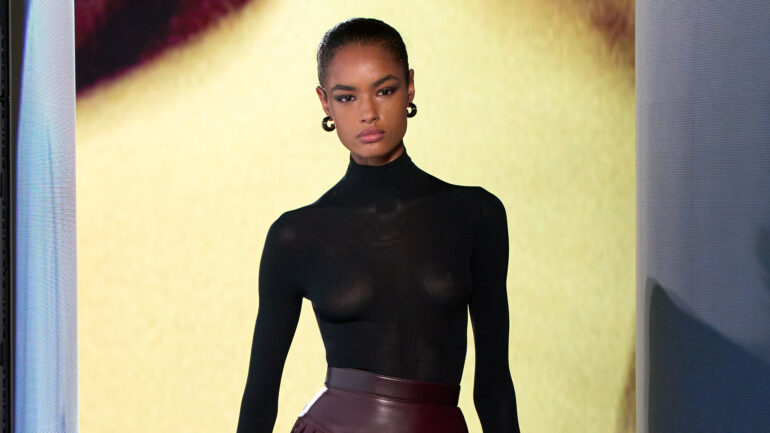
Color finds its echo in the treatment of surfaces. Who What Wear observes a desire to break down the boundaries between materials, allowing for unexpected clashes. Shiny fabrics are now making an appearance in broad daylight, while sportswear elements clash with the delicacy of silk. The success of these combinations lies in the clarity of the contrasts. Contrasting the ruggedness of a chunky, rustic knit with the smooth perfection of leather, or pairing dry wool with faux fur, creates a visual tension that instantly enriches a monochromatic outfit. A single discordant material sets the tone.
Grounding and the Art of Emphasis
While the upper half of the silhouette allows for stylistic flights of fancy, the connection to the ground forces a sudden return to reality. On icy or wet sidewalks, a shoe’s design takes a back seat to its grip. Knee-high boots, wide-leg boots, and thick-soled shoes dominate this winter’s offerings. But decorative appeal consistently takes a back seat to the need for stability; a smooth sole, no matter how sleek, is no match for black ice.
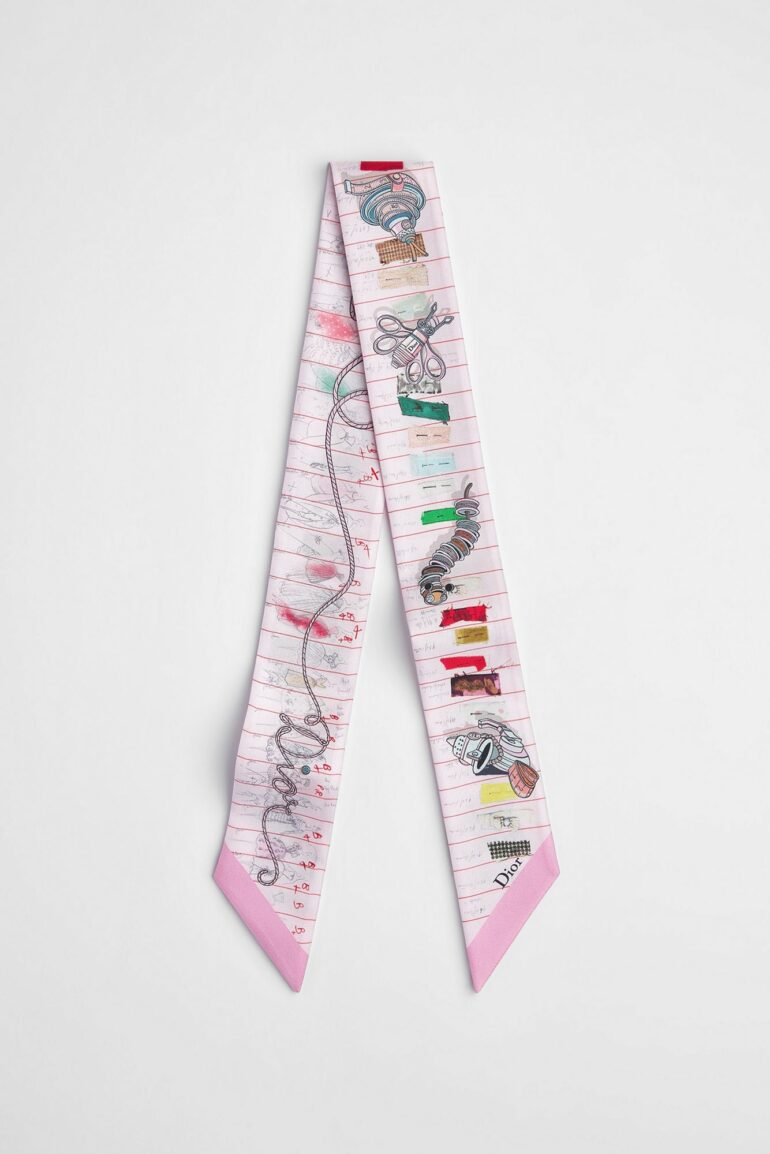
To complete the look, accessories are making a striking comeback—no longer as mere additions, but as disruptive elements. Marie Claire emphasizes their strategic role in upcoming collections. Scarves of monumental proportions, gloves that extend high up the forearm, metallic brooches, or decorative fabric flowers shake up the lines of an overly demure coat. Jewelry is gaining prominence, becoming a focal point in its own right.
Here again, the key lies in restraint. Piling on these statement pieces overwhelms the eye and undermines the outfit’s clarity. An accessory must remain a solitary statement piece. Ultimately, beyond prescribed colors or mandated silhouettes, the true direction for this winter of 2026–2027 lies in exercising discernment: drawing from an arsenal of trends to select only what enhances one’s style, comfort, and personal narrative.