
Make Texture a preferred source on Google to support us
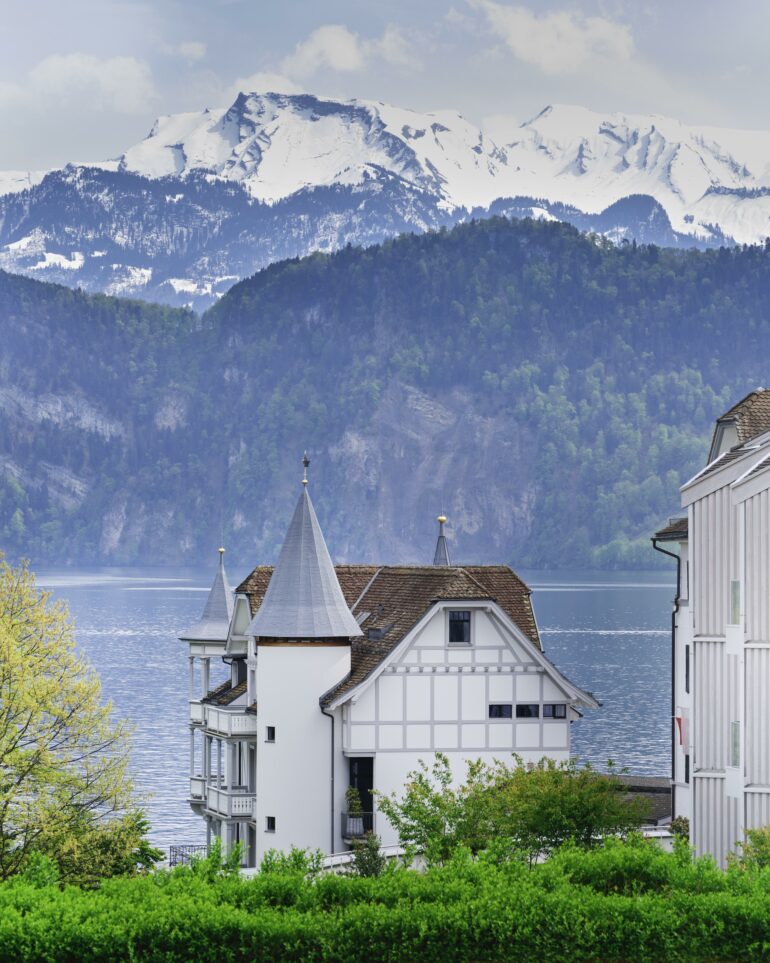
Add Texture to GoogleIn the past, privilege was measured by abundance. Tables groaned under the weight of food, and bodies grew plump as a sign of power and social success. Modernity has reversed this paradigm with biting irony. Today, with material opulence having become accessible to a much larger segment of the population, the global elite pursues a diametrically opposed goal: emptiness. On the tranquil shores of Swiss lakes or in the highlands of the Alpine cantons, a particularly discerning clientele flocks to experience the most absolute form of self-restraint. These individuals no longer spend considerable sums to consume, but precisely to ingest nothing at all. Fasting retreats, meticulously organized in high-end establishments, have now become an essential step for a ruling class in search of renewal. It is no longer satiety that is being monetized, but the rigorous art of deprivation.
The Geography of Tailor-Made Asceticism
Switzerland was not chosen by chance by the architects of this new wellness industry. Since the last century, the country has cultivated a long-standing tradition of high-altitude convalescence. The sanatoriums of yesteryear, where the European bourgeoisie came to treat their respiratory ailments in the pure, dry mountain air, have simply undergone an aesthetic and scientific transformation. They have traded lounge chairs for cellular therapy equipment, and fresh-air cures for draconian calorie-restriction protocols. The local hotel infrastructure lends this approach a reassuring rigor. Discretion is held up as a dogma here, as banking secrecy has naturally extended to the patients’ physiological privacy.
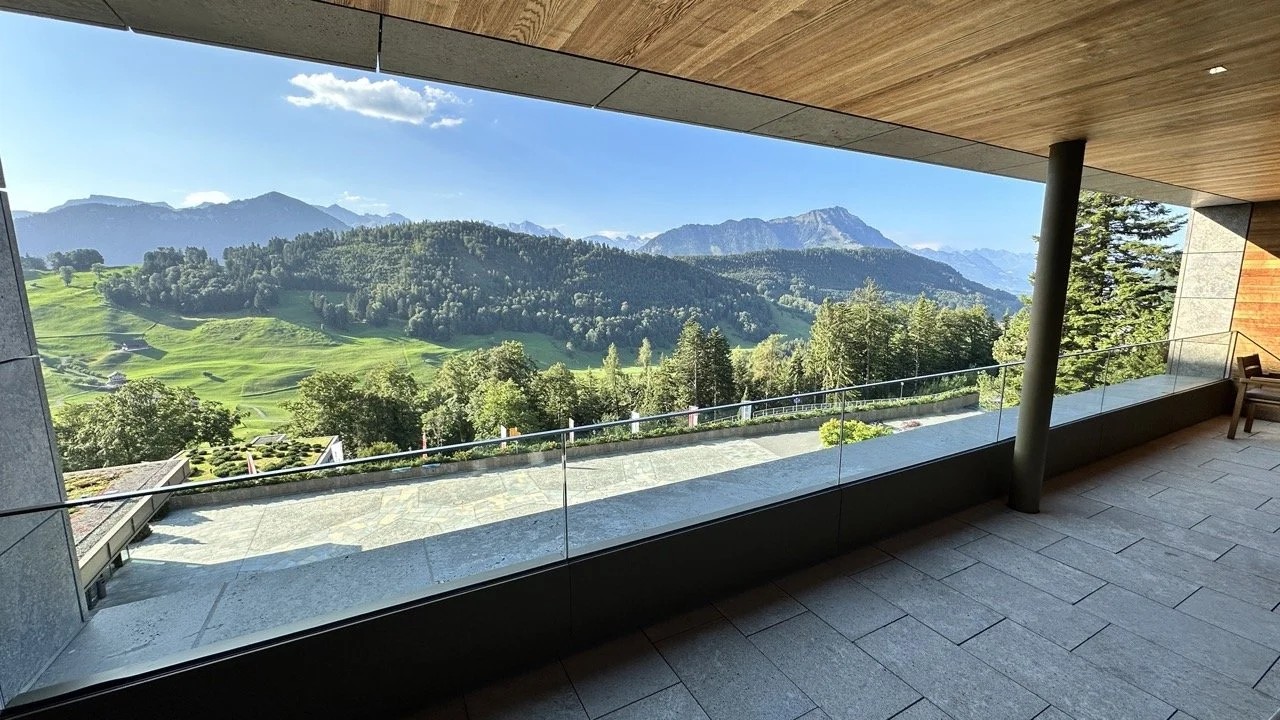
Behind facades often featuring minimalist architecture—where the clean lines of raw wood and cut stone blend with vast floor-to-ceiling windows opening onto indifferent mountain peaks—lie hermetic sanctuaries. Corporate executives, creative professionals, political decision-makers, and media personalities—exhausted by the chaos of their schedules—find an impenetrable fortress there. Switzerland’s geography—with its isolating terrain and valleys that muffle the world’s noise—offers the perfect setting for this retreat. The clinic’s physical isolation compounds the cellular isolation imposed by the absence of food.
The Medicalization of Emptiness
Paradoxically, successful starvation requires extensive logistics. The fasting practiced in these hushed corridors has nothing to do with a simple home diet or a vaguely mystical endeavor. It is part of a cutting-edge clinical approach—meticulously planned, measured, and analyzed. Even before cutting out the first calorie, the resident undergoes a battery of exhaustive tests. Analysis of the gut microbiome, measurement of heart rate variability, testing for heavy metals, and mapping of oxidative stress: the body is reduced to an equation, scrutinized from every angle by multidisciplinary teams.
The goal is no longer limited to losing a few extra pounds before summer. The focus is on longevity. By depriving the body of external nutrients, the protocol forces it to trigger autophagy—the biological mechanism by which cells break themselves down to eliminate damaged components. Hunger becomes a therapeutic tool, a scalpel-free surgery. The few deciliters of clear broth or mountain herb infusions, served by the spoonful with the ceremony of a fine restaurant, serve only to mark the passage of the day and maintain hydration. The rest of the work takes place in silence, deep within the tissues.
The Intimate Ordeal and the Biology of Effort
Enduring this deprivation is no walk in the park. The first few days are a head-on collision for bodies accustomed to a constant infusion of sugars and stimulants. The metabolic shift—that moment when the body depletes its glycogen stores and begins to draw on its fat reserves—is accompanied by definite discomfort. Dull headaches, brief dizziness, chills, and a feeling of utter exhaustion. It is at this precise moment that the Swiss support team proves its true value.
To ease the transition, therapists employ a range of supportive treatments: targeted massages to drain the lymphatic system, warm wraps applied to the liver area to support the liver’s detoxification efforts, and oxygen therapy sessions. The harshness of the internal ordeal is systematically cushioned by the gentleness of the external treatments. By the fourth day, the discomfort generally dissipates, giving way to a chemical euphoria caused by the massive release of ketone bodies. The brain, fueled by this new energy source, suddenly clears. Your step becomes light again, and your mind sharpens.
Letting Go of Power
The appeal of these retreats also lies in a powerful psychological dynamic. These facilities welcome a clientele accustomed to leading, managing their teams, and making decisions on complex matters at all hours of the day and night. Stepping through the clinic’s doors implies a voluntary and total relinquishment of power. In these quiet spaces, the outward signs of wealth and authority fade away beneath the thick cotton of white bathrobes—a mandatory uniform that levels the playing field. There are no longer any CEOs or shareholders, only bodies at rest.

This submission to the institution brings immediate relief. There are no more decisions to make. The daily schedule is entirely dictated by the nursing staff: a gentle wake-up call, vital sign checks, a slow walk through the woods, hydrotherapy, a long nap, guided meditation. The once-powerful decision-maker is now nothing more than a docile body, carried along by the hypnotic rhythm of the treatment. This mental release often proves harder to accept than hunger itself, yet it constitutes the ultimate luxury of the experience. For one to two weeks, the cognitive load drops to zero.
The Aesthetics of Slowness
Our relationship with time undergoes a fascinating distortion. The absence of hearty meals—which usually mark our days with distinct social and digestive phases—significantly stretches out the hours. The fasting person rediscovers the slowness of movement. Movements become more measured to conserve energy that has become scarce and precious. Without the numbing effect of digestion, the senses sharpen dramatically.
The sound of the wind in the conifers, the rough texture of a linen sheet, the warmth of a ceramic cup between the palms take on a new intensity. The sense of smell becomes tenfold more acute, making the simple scent of damp earth during a walk almost intoxicating. The entire architectural environment is designed to envelop this temporary hypersensitivity. Indirect lighting never strains the eyes, the acoustics of the hallways absorb noise, and the staff move with silent precision. It is in this striking contrast between the rigor of the diet and the extreme comfort of the setting that the alchemy of the Swiss experience lies.
Rebirth and Return to the World
At the end of the process, breaking the fast is akin to a sensory rebirth. The resumption of eating—a critical moment—begins with minuscule quantities. A single slice of baked apple, a handful of seeds, or a few spoonfuls of steamed vegetables provoke a sensory astonishment. The palate, cleansed of its overload of salt, fats, and industrial sugars, detects the aromatic complexity of raw food with the precision of a seismograph.
Patients leave the Swiss mountains transformed. The scale inevitably shows a lower number, and final blood test results often border on excellence, but the impact extends beyond the physical body. They return home with formidable mental clarity and purified nervous energy. Even more than the cellular rejuvenation touted in the brochures, it is the intimate experience of discipline that leaves a lasting mark on their return to civilian life. Having faced the void and traversed it without faltering provides psychological armor. Armor that will protect them from the assaults of their hectic daily lives, until the wear and tear of the year makes this pilgrimage toward absolute deprivation indispensable once again.