Make Texture a preferred source on Google to support us
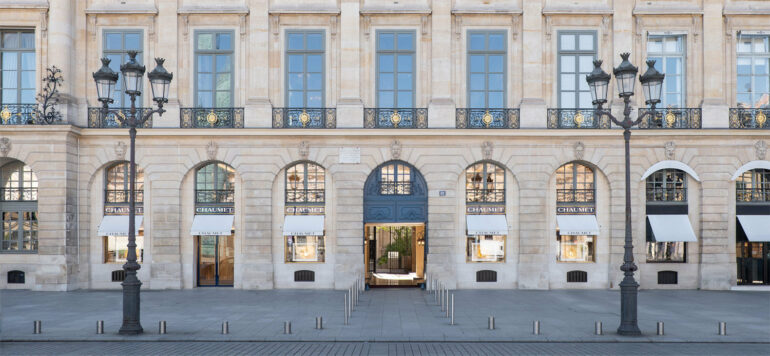
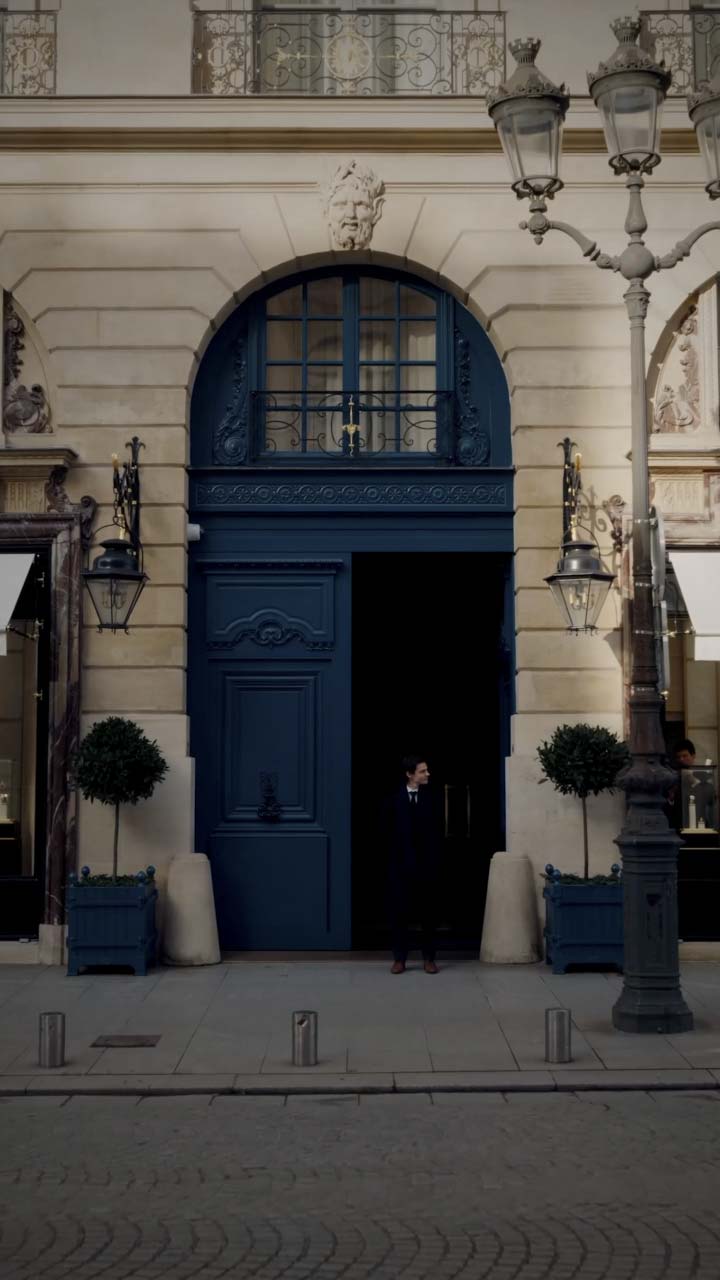
Add Texture to GoogleA discreet carriage entrance on Place Vendôme, a service entrance to a luxury hotel in Geneva, an elevator whose buttons don’t list any retail floors. While the public waits behind velvet ropes to enter flagship stores on the world’s major shopping streets, a completely different geography of luxury unfolds behind the scenes. The sector no longer thrives solely on selling bags or shoes to an aspirational clientele. Its true economic driver—the one that dictates real estate strategies, product development, and mergers and acquisitions—boils down to a handful of cold acronyms: HNWI and UHNWI.
Behind these letters lie “High Net Worth Individuals” and “Ultra High Net Worth Individuals.” The financial jargon, adopted by the luxury industry, draws a sharp dividing line. An HNWI has at least one million dollars in liquid investable assets. This threshold is fairly common among major capitals. The real shift occurs with UHNWIs, whose net worth exceeds $30 million. This group, which is extremely small in demographic terms, wields colossal market influence. In certain segments—such as fine jewelry, complicated timepieces, or haute couture—they account for only 1 or 2 percent of buyers but often generate more than half of total revenue.
The End of Traditional Retail
This hyper-concentration of wealth is forcing luxury houses to physically rethink their relationship with space. The days when a billionaire would mingle with the crowd in a boutique to buy a watch are long gone. Retail architecture has split into distinct zones. On the ground floor: spacious layouts, quick transactions, and accessories. On the upper floors, accessible by invitation only, are private apartments and VIC (Very Important Client) lounges.
These spaces no longer resemble stores. They take on the appearance of art galleries or the private homes of collectors. Prices are no longer displayed. Sometimes, products aren’t even displayed there anymore. Customers come to sit down, have a drink, and chat with a store manager who acts more like a wealth manager or a high-end concierge. Exceptional pieces are brought out of the vaults one by one, in a theatrical manner. For UHNWIs, luxury no longer lies in the acquisition of an expensive object, but in being hidden from public view. The ultimate privilege is invisibility.
The Obsession with Access
Simply having the capital is no longer enough. The industry has erected invisible barriers to rank its own wealthy clients. Purchasing a specific model from an independent Swiss watchmaker or a particular bag from a famous Parisian leather goods house is no longer a matter of purchasing power, but of the right of access. Brands demand a purchase history, proven loyalty, and a degree of submission to the house’s rules. The UHNWI is accustomed to getting everything immediately in daily life; luxury confronts them with organized scarcity, waiting lists, and polite refusals.
This calculated frustration fuels desire. To secure a one-of-a-kind piece, one must sometimes invest heavily in secondary collections. The product becomes a reward for having financially supported the brand. This mechanism transforms the commercial relationship into an exclusive club where money is merely a prerequisite, and social skills are the true currency of exchange.
A Shifting Sociology
The profile of these major fortunes has shifted dramatically. The European landed aristocracy and the industrialists of the last century have given way to a type of wealth that is much more fast-paced, nomadic, and young. The founders of tech unicorns, cryptocurrency pioneers, and heirs to Asian conglomerates are setting new aesthetic standards. They travel constantly, disregarding traditional seasonal cycles, which has forced the fashion industry to abandon the binary fall-winter/spring-summer cycle in favor of capsule collections and constant drops.

This changing of the guard is accompanied by an aesthetic divide. On one hand, a new, ostentatious wealth that uses logos and flashy collaborations as immediate status symbols. On the other, a fringe of UHNWIs who are pushing the envelope toward ultra-discretion. Subdued fabrics, clinical cuts, no visible branding. A vicuña sweater costing as much as a city car, recognizable only to those who own the same one. This exclusive circle is built around a culture of detail that the general public cannot decipher.
The Intangible and the Experience
With wardrobes and safes already full, the next frontier for capturing the attention of these ultra-high-net-worth individuals is shifting toward the intangible. Luxury groups are buying up historic hotels, reviving legendary trains, and investing in haute cuisine. The goal is no longer simply to dress the UHNWI client, but to occupy every moment of their free time.
They are offered the chance to reserve a private workshop in Tuscany, participate in gemstone harvesting in Sri Lanka, or dine with the chief designer of a hypercar brand before finalizing the configuration of their vehicle. The physical product becomes almost a byproduct of the experience—a mere memento of a moment of exclusive access.
Luxury houses are thus transforming into all-powerful lifestyle agencies. They shape the social networks of these global fortunes, organizing private events where clients meet one another, exchange business contacts, and compare their portfolios. The brand acts as an extremely powerful filter of social validation, guaranteeing that UHNWIs will encounter only their strict economic peers within these circles.