Make Texture a preferred source on Google to support us
Add Texture to GoogleForget the graffiti-covered concrete of the East Side Gallery, the endless lines in the pouring rain outside Friedrichshain’s massive clubs, and the over-exploited remnants of the Cold War. The German capital has transformed, leaving behind the excesses of its long post-Wall adolescence. Beneath its rough exterior—often carefully maintained to guarantee that tourist thrill—lies an intimate landscape of formidable sophistication. Berlin is now best understood through its fringes, in the heart of its residential neighborhoods where space—that absolute luxury in the contemporary European urban landscape—is experienced on a daily basis, without the slightest ostentation. One must be willing to turn one’s back on the Mitte district—which over the decades has become an almost generic showcase of high society—to capture the pulse of a metropolis that cultivates the art of living as an archipelago.
Here, prestige is not measured by the accumulation of luxury brands along a straight avenue, but by the width of the sidewalks, the density of the tree canopy that shades the streets even in the middle of August, and the discretion of the inner courtyards. The city stretches out, fragments, and demands a horizontal perspective from anyone who wishes to understand it. Contemporary art enthusiasts, hunters for modernist furniture, and travelers weary of well-trodden paths now find what they’re looking for by crossing the invisible boundaries of the S-Bahn, the urban train that encircles the historic center.
The Discreet, Literary Nobility of the West
The West has never truly lost its splendor; it had simply slumbered beneath a thick layer of bourgeois respectability. Far from the commercial hustle and bustle and the neon lights of Kurfürstendamm, the streets radiating out from Savignyplatz are home to an intelligentsia that has always shunned the harsh glare of the spotlight. Within this area, the architecture of the old buildings sets a distinctive pace: high ceilings heavily adorned with stucco, creaking herringbone parquet floors, wrought-iron balconies, and vast entry halls clad in dark marble. The Charlottenburg neighborhood is making a majestic comeback among a new generation of designers who are rediscovering the elegance of age.
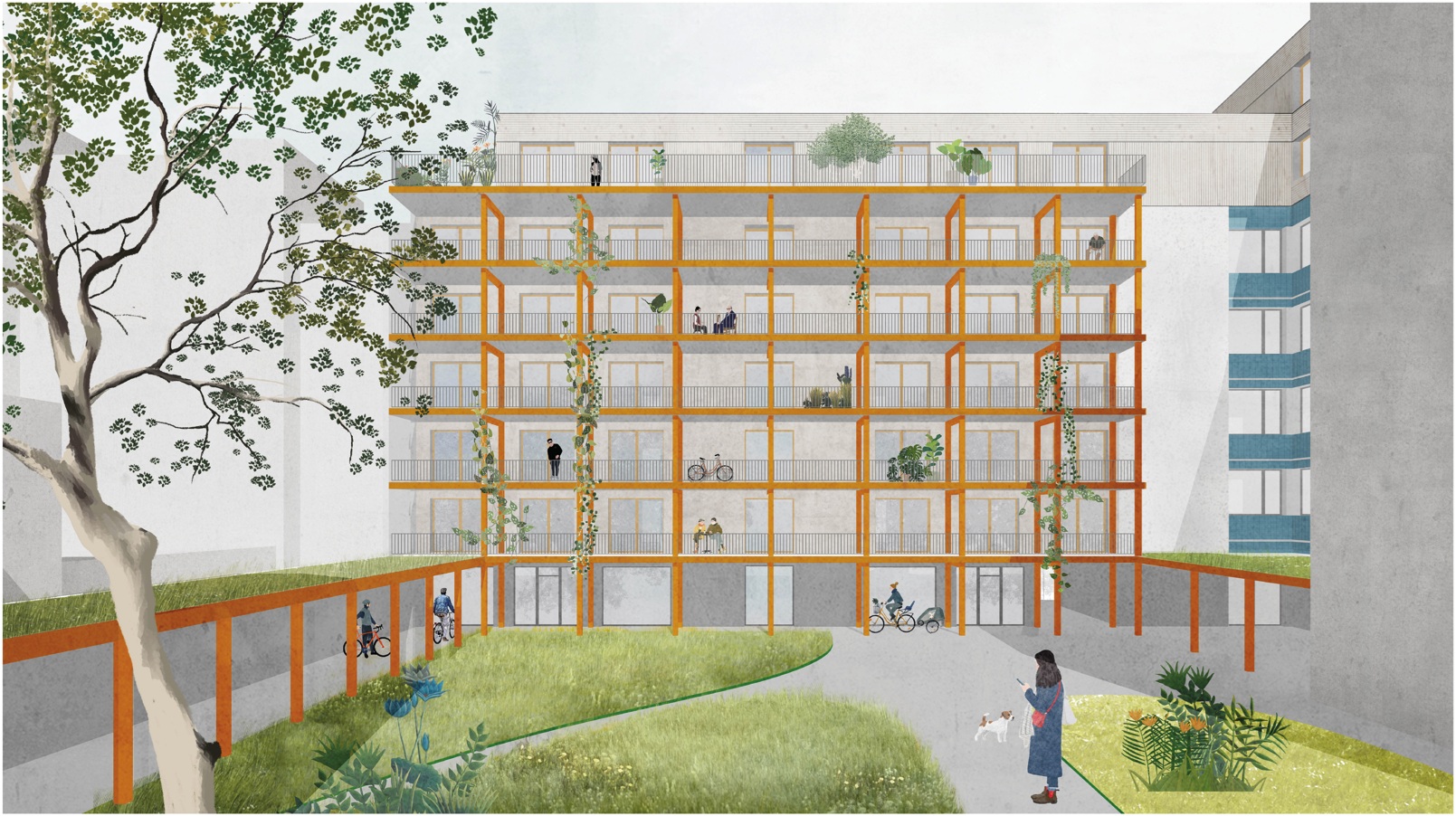
Kantstraße, the backbone of this renaissance, has shed its former image as a dusty thoroughfare to become the epicenter of an Asian culinary scene of devilish precision. Minimalist storefronts stand side by side with major cultural institutions. The C/O Berlin Foundation, housed in the Amerika Haus building, continues to anchor the neighborhood in the photographic avant-garde. All you have to do is venture down side streets like Bleibtreustraße or Fasanenstraße to step into bookstores where people still discuss first editions over an Ethiopian filter coffee, and into intimate galleries that showcase the masters of the Leipzig School, far from the hubbub of international art fairs.
Rixdorf, the Encircled Bohemian Village
To the southeast of the city, the vast district of Neukölln has a reputation for being party-oriented, noisy, and perpetually on the move. Yet, right at its geographical center, a historic enclave stubbornly resists the urban frenzy: Rixdorf. Founded in the 18th century by Protestant refugees from Bohemia, this micro-neighborhood revolves around the imposing Richardplatz. The transition is abrupt. As you turn the corner of a traffic-clogged avenue, the tall apartment buildings suddenly give way to low-lying farmhouses, old forges with blackened walls, and enclosed gardens protected by low stone walls.
The uneven cobblestone alleys physically force you to slow your pace. Behind heavy wooden gates, courtyards house workshops where artisans work with leather, brass, or ceramics using techniques untouched by the digital age. The Comenius-Garten, hidden behind a blank wall, offers a botanical and philosophical retreat of absolute tranquility. In winter, the neighborhood is lit by the glow of gas lamps, revealing an almost anachronistic rural atmosphere. Real estate development is edging toward the neighborhood’s outskirts, but residents maintain this fierce insularity, preferring to dine in the summer beneath the branches of the century-old linden trees in their private courtyards rather than be seen on outdoor terraces.
Moabit’s Raw Isolation
Surrounded on all sides by the lazy meanders of the Spree and a network of navigable canals, Moabit is geographically an island. This topographical detail, far from being trivial, has a lasting impact on the psychology of its residents. Long shunned for its working-class past and the presence of correctional facilities, this neighborhood now attracts architecture firms and design studios seeking overhead light and industrial spaces without having to contend with the fierce competition of Prenzlauer Berg.

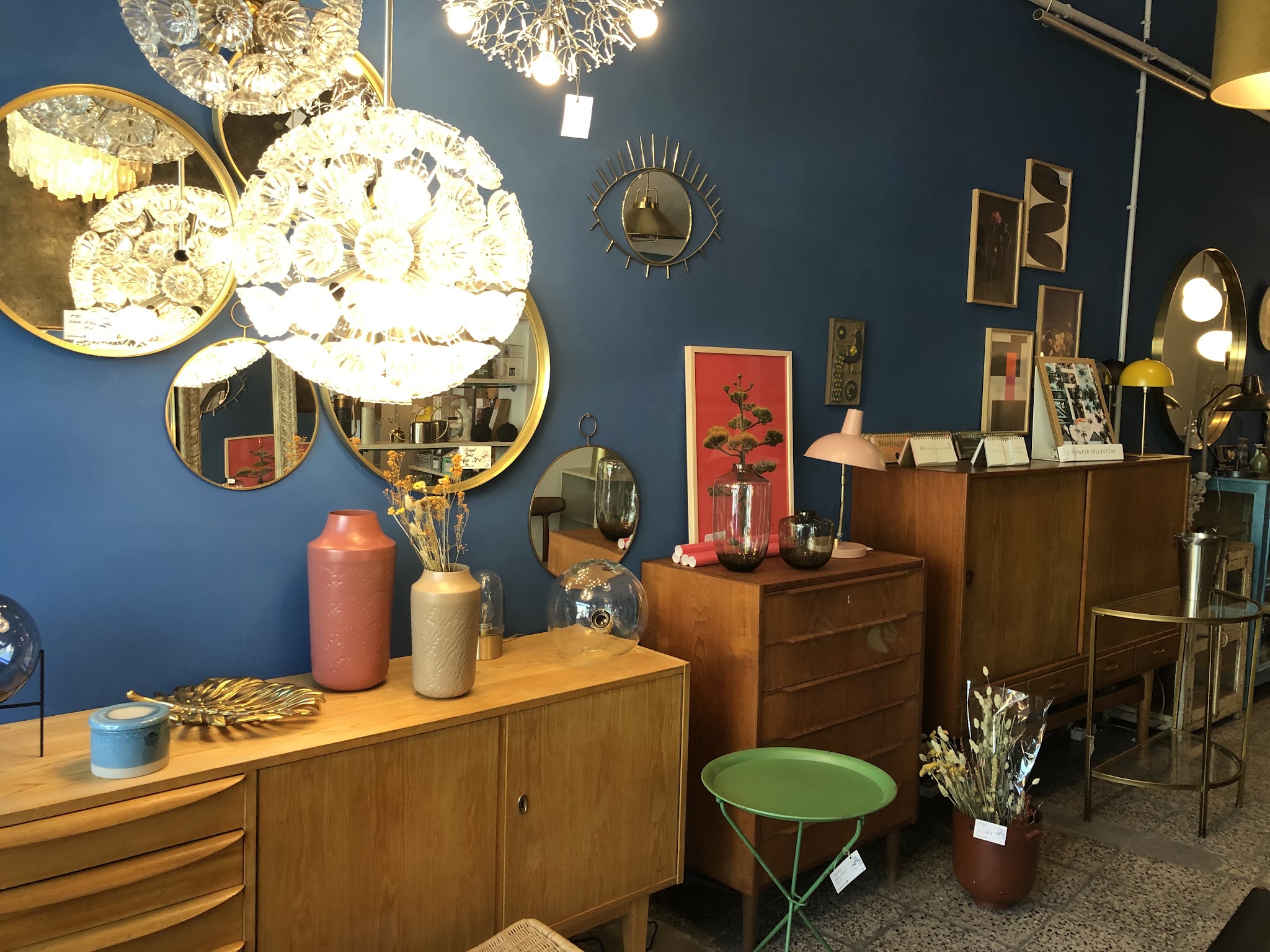
The Arminiusmarkthalle, a majestic red-brick market hall inaugurated in the late 19th century, exemplifies this carefully managed transformation. The space was restored with Prussian precision, carefully avoiding the trap of a globalized food court. Beneath immense glass roofs supported by riveted metal frames, Brandenburg market gardeners, wine merchants specializing in natural wines, and independent chefs coexist in organic harmony. Further north in the neighborhood, the Westhafen—the city’s largest river port—exudes a striking industrial poetry. Its monumental klinker-brick silos and silent cranes stand out against Berlin’s leaden sky, providing a spectacular backdrop for art galleries that have taken over former customs warehouses with a radical curatorial approach.
The monumental new lease on life from the distant East
To grasp the immense scale of Berlin, one must follow the river’s course southeast, beyond the railway belt, all the way to Oberschöneweide. This neighborhood, once a showcase of German electrical engineering power in the early 20th century, is home to industrial cathedrals designed by renowned architects such as Peter Behrens. The immense yellow-brick facades stretch for kilometers along the river, silent witnesses to an era of mass production.
Today, these cathedrals of light are being repurposed with an ambition commensurate with their size. Private foundations and vast cultural complexes, such as the Reinbeckhallen, host immersive exhibitions there that would feel stifled within the walls of traditional downtown museums. The soaring ceilings house monumental installations, studios for international artists, and workshops for producing custom-made furniture. A stroll along the landscaped banks of the Spree, at the foot of these brick behemoths and facing the dense forests that mark the city’s outskirts, offers a unique perspective on a city that is coming to terms with its industrial past—not by erasing it, but by elevating it.
The true essence of a place rarely lies in its most photographed landmarks. It lies in the thickness of the carriage gates that swing open slightly in the early morning onto a courtyard in the Wedding neighborhood, where an independent coffee roaster quietly takes delivery of his bags of beans. It can be seen on the faces of passengers aboard the ferry crossing Lake Wannsee in the morning mist, or in the slow trajectory of a barge laden with scrap metal gliding across the dark waters of the Landwehr Canal. The luxury of this metropolis lies in its ability to elude immediate observation and to demand of the visitor a patience that contemporary travel has all but forgotten.