Make Texture a preferred source on Google to support us
Add Texture to GoogleIn Toronto, the opening of the exhibition “Sharon Lockhart: Fogo” at the Power Plant Contemporary Art Gallery on October 24, 2026, marks more than just a fall event for the Canadian art scene. Scheduled to run through March 21, 2027, this retrospective comes at a time when producing large-scale projects increasingly resembles a logistical and financial challenge. Behind the presentation of these demanding works lies a profound shift in the cultural ecosystem: the transition from a traditional grant model to a framework of strategic partnerships, in which private foundations now act as drivers of production rather than merely as end-stage patrons.
A Public Institution Under Pressure
The diagnosis facing international museums and art centers is clear-cut. On the one hand, shrinking government budgets limit curators’ room to maneuver; on the other, runaway inflation in operating costs is straining internal resources. This complex equation is forcing many institutions to adopt a cautious stance, favoring programs with immediate profitability or events that are less financially risky.
This risk aversion has direct consequences for artistic creation. A fundamental trend is taking hold, forcing artists to shoulder an increasing share of the costs associated with producing their institutional exhibitions. This shift in financial burden—often invisible to the public—threatens the survival of experimental projects or those requiring an extended research phase. In this rapidly changing landscape, public institutions sometimes find themselves constrained by political agendas or box-office imperatives that stifle curatorial boldness.
Research Philanthropy as a New Paradigm
In the face of this programmatic retreat, a new model of philanthropy is emerging, defined by its role as a catalyst. The idea is not to replace public funding—which is essential to the institutions’ long-term viability—but to step in where the traditional system falls short: by absorbing the initial risk. Organizations such as The Vega Foundation, founded in 2022 by collector Elisa Nuyten, exemplify this approach. By getting involved as early as the conceptual or research phases—even before an exhibition is formally confirmed by a museum—these foundations enable artists to ensure the viability of their most ambitious projects.
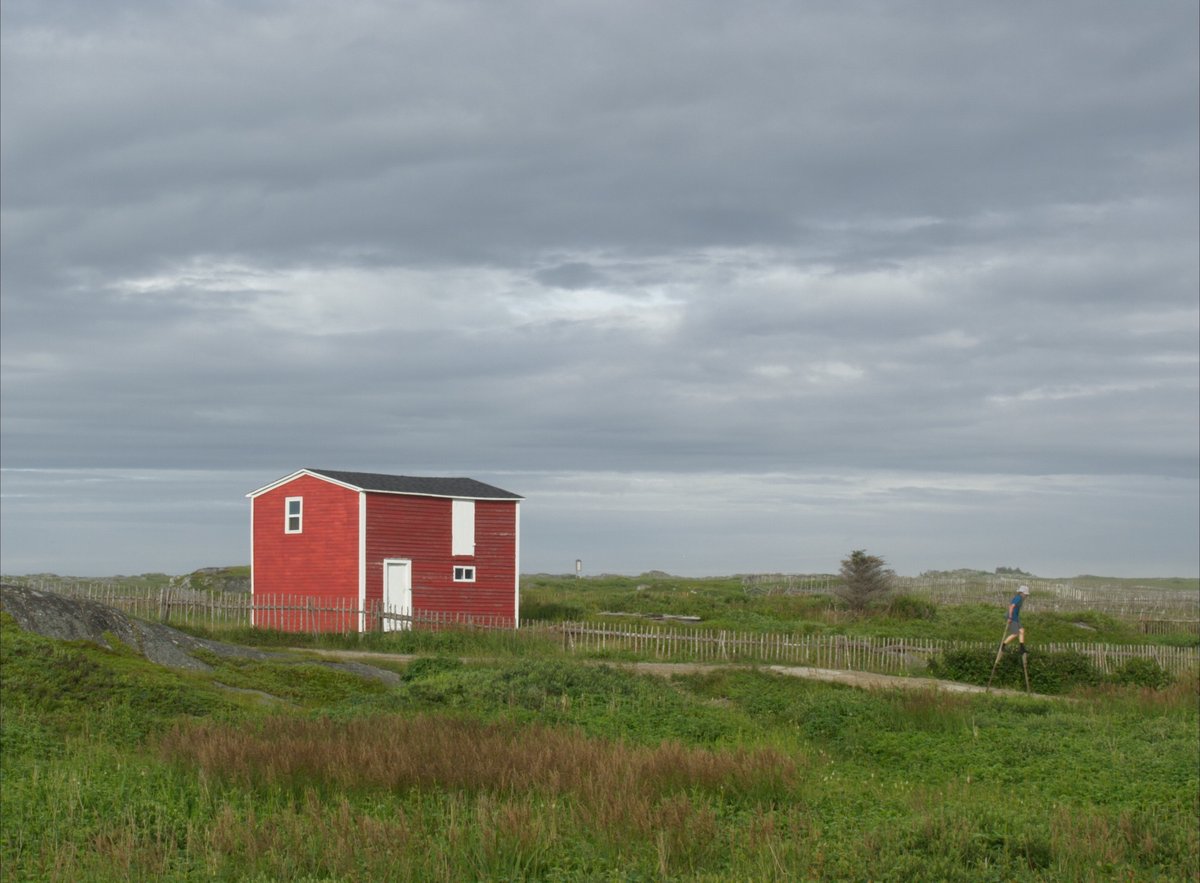
This early involvement transforms the foundation into a platform for co-production. It becomes the hub of an international network, connecting institutions with complementary areas of expertise. For Sharon Lockhart’s film *WINDWARD* (2025), shot on the island of Fogo, several organizations—Shorefast/Fogo Island Arts, the National Gallery of Canada, and the Vega Foundation—joined forces. This financial and logistical arrangement does more than simply produce a work; it ensures its preservation and future dissemination. The joint acquisition of the film by the National Gallery of Canada and the Vega Foundation, formalized on October 28, 2026, reflects this commitment to ensuring its longevity beyond the duration of the exhibition.

Moving Images: A Technical and Financial Challenge
The decision to specialize in video art and artist-made film—as the Vega Foundation’s leadership has done under Julia Paoli’s guidance since 2023—is no small matter. The medium of the “moving image” is one of the most demanding in contemporary art. It requires extensive filming, costly screening technologies, and constant maintenance of the media. It is a field where traditional funding often proves insufficient given the scale of the technical requirements.
Since 2022, more than twenty artists have benefited from this targeted support. Among them, figures such as Dominique Gonzalez-Foerster, Meriem Bennani, and Tuan Andrew Nguyen are joined by emerging and established artists such as Lap-See Lam, Alia Farid, and Tala Madani. The exhibition network thus established stretches from the Kunsthalle Basel to the Serpentine Galleries in London, including the New Museum in New York and the Renaissance Society in Chicago. This international scope makes it possible to spread production costs while offering global visibility to works that would otherwise struggle to cross the boundaries of their studios.
Accessibility and the Economics of Exhibition
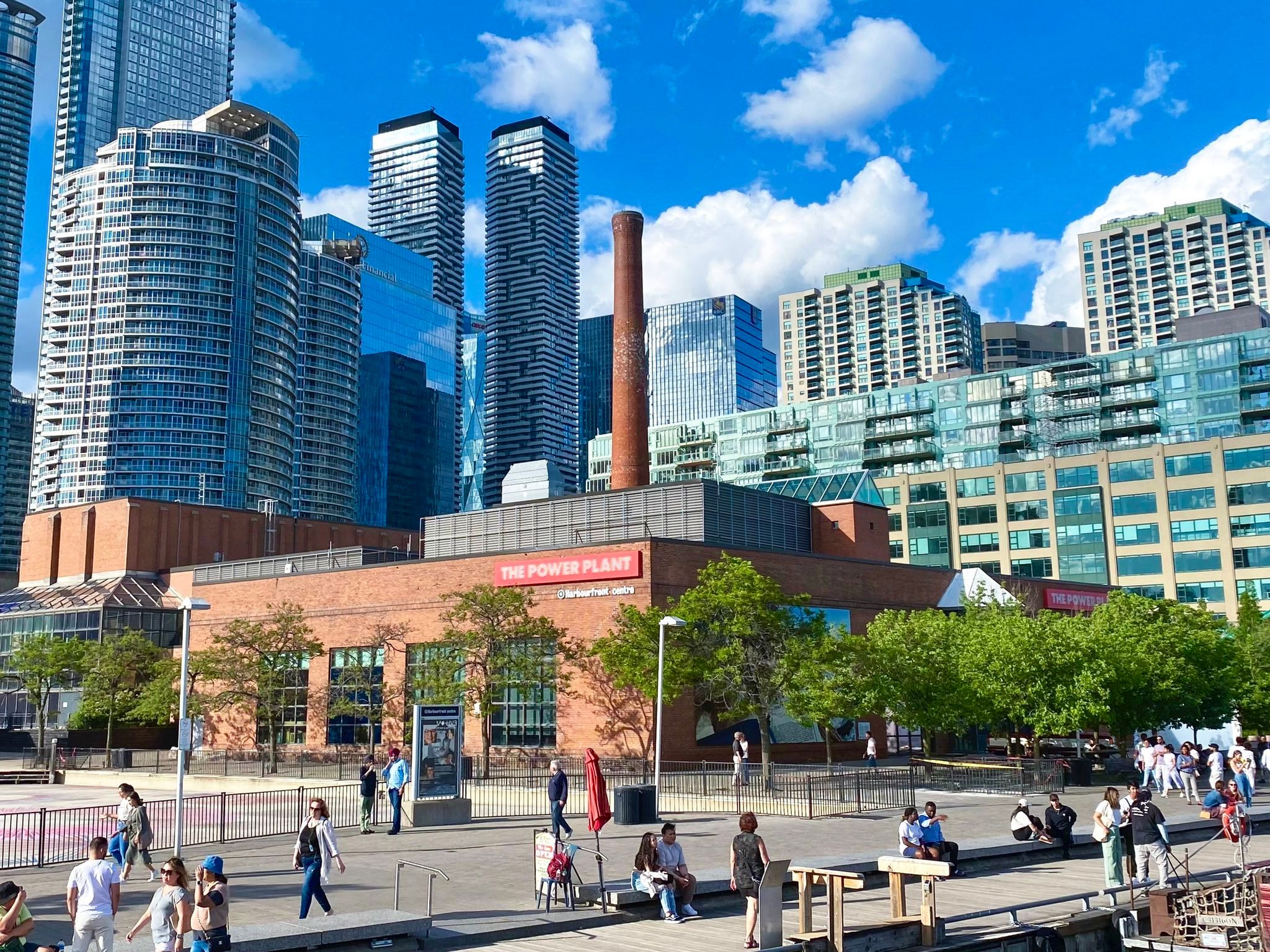
Another key aspect of this new model is public access. While corporate sponsorship—such as that provided by BMO Financial Group for the Power Plant—allows for completely free admission to exhibitions year-round, the specific distribution of artist-made films remains subject to various economic realities. For example, during a screening of *WINDWARD* at REDCAT in Los Angeles in September 2026, the admission fee was set at US$12, plus a US$2 administrative fee, for a total cost of approximately 13 euros at the current exchange rate.
This coexistence of models—institutional free admission on one hand, targeted ticket sales on the other—shows that the sustainability of contemporary art rests on a fragile balance. By agreeing to fund the long-term creative process and the complexity of technological media, private foundations act as guarantors of artistic diversity that market forces alone or limited public budgets could no longer sustain on their own. The establishment of projects at the Banff Centre or the National Gallery of Canada underscores this commitment to embedding private initiatives within the long-term framework of public heritage.