
Make Texture a preferred source on Google to support us
Add Texture to GoogleThe air of the Lowcountry has a distinctive density—a blend of Atlantic humidity and the scent of jasmine that envelops you from the moment you set foot on the peninsula. Nestled between the estuaries of the Ashley and Cooper Rivers, Charleston immediately sets its own pace, both geographically and temporally. Century-old oaks, heavy with Spanish moss, filter golden light onto uneven brick sidewalks warped by roots. Elegance here is not a recent trend. It is a complex legacy, fiercely preserved by residents who view urban aesthetics as an absolute necessity.
This Carolinian city realized very early on that its salvation lay in its very stones. Unlike many American cities that sacrificed their downtowns on the altar of postwar urban planning, Charleston chose to preserve its historic core. The narrow streets of the historic district still echo with the sound of horse-drawn carriages, while the facades display a defiant perfection. This preservation of an antebellum atmosphere is no accident, but the result of a strict urban policy that refuses to compromise in the face of modern real estate pressures.
The Architectural Language of the South
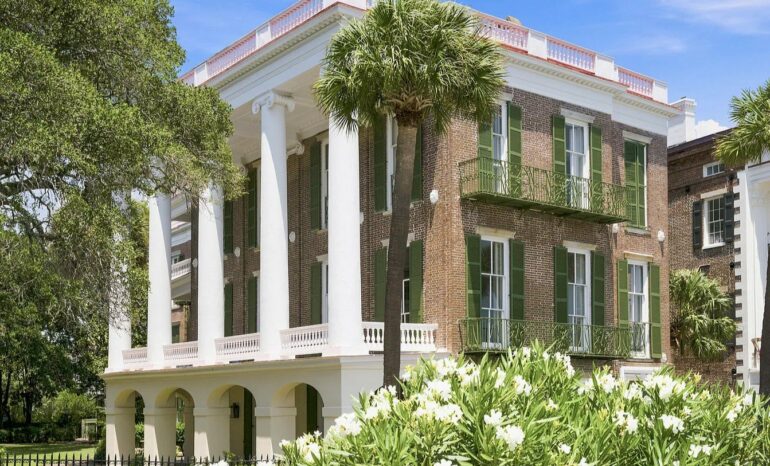
Visitors are immediately struck by the uniqueness of the housing. The traditional local home is a brilliant architectural response to the climatic and fiscal constraints of the colonial era. These narrow homes, built perpendicular to the street, feature a false front door. This door opens not onto an interior hallway, but onto a columned side porch designed to capture sea breezes and keep out the summer heat. Their shutters often display a characteristic dark hue—a green so deep it borders on absolute black—which was once obtained by mixing local ochre with black paint supplied by the navy.
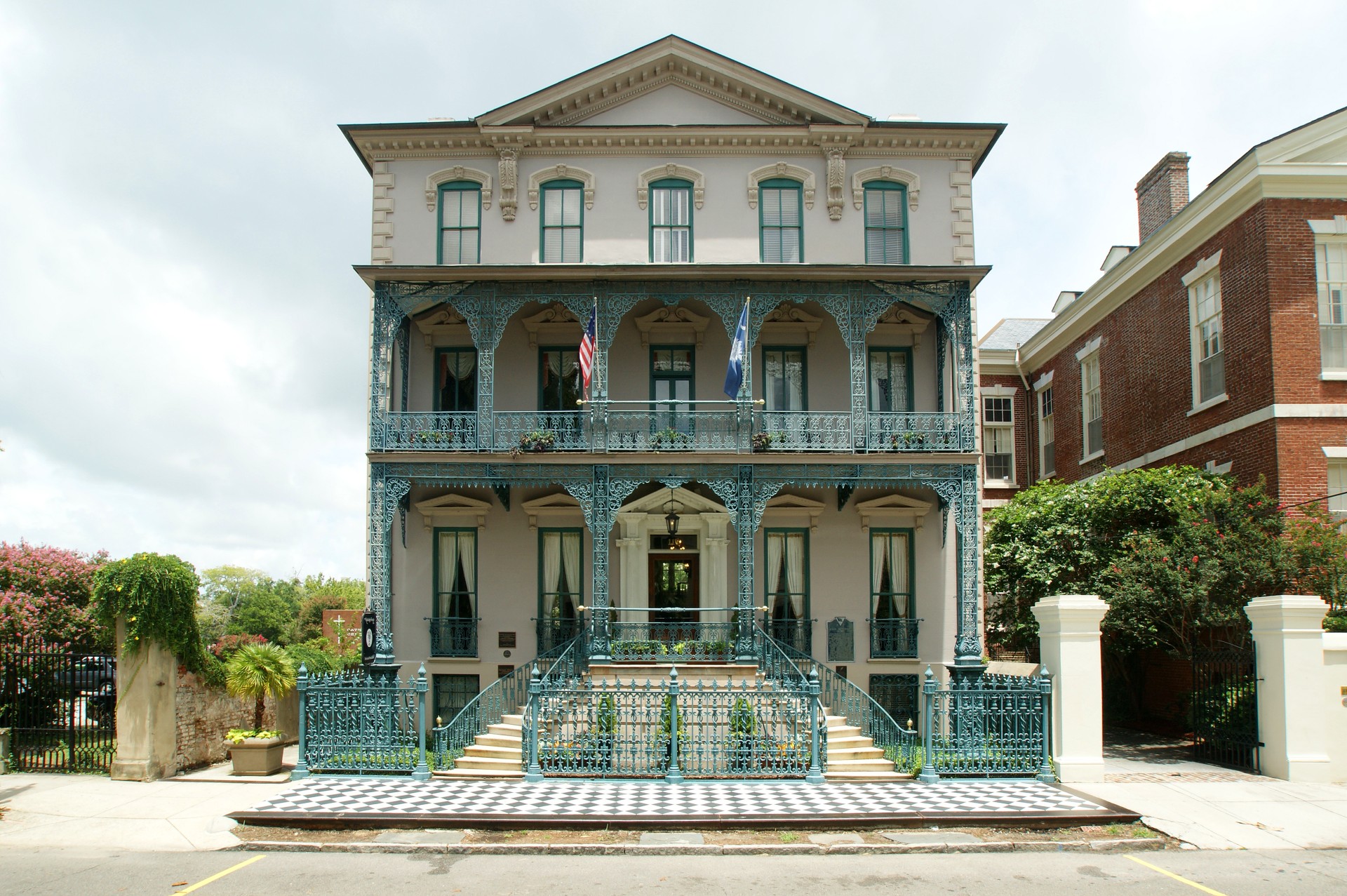
Along the coastal promenade, the scene takes on a theatrical quality. The old merchants’ mansions defy the ocean storms behind heavy wrought-iron gates. Their immense porches look out toward the harbor from which the first cannon shot of the Civil War was fired in the spring of 1861. A few blocks away, a row of thirteen Georgian-style houses, painted in Caribbean-inspired pastel hues, tells the story of an urban renewal project that began in the 1920s. The struggle of a handful of residents determined to save their neighborhood from ruin laid the groundwork for the Preservation Society of Charleston, the nation’s oldest heritage preservation organization.
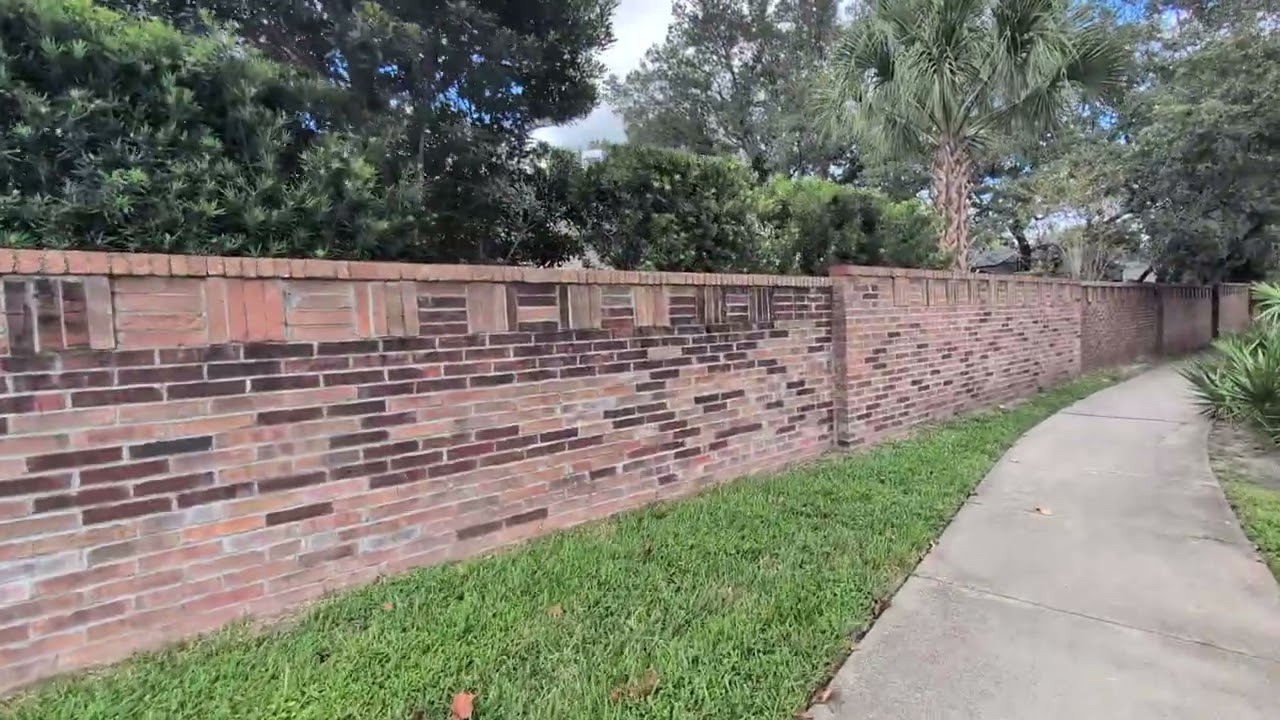
Behind the wrought-iron gates—some of which are century-old masterpieces by master blacksmiths—lie meticulously laid-out gardens. The city’s horticultural aesthetic makes the most of its limited space with brick paths laid in a herringbone pattern, wall fountains, and an abundance of camellias, gardenias, and azaleas. These inner courtyards, often invisible from the street, are a discreet luxury: private havens of coolness where the city’s tumultuous history seems to stand still.
Maritime Foundations and Intertwined Memories
The city’s splendor rests on a brutal commercial foundation. In the eighteenth century, the port rivaled those of the North in terms of maritime traffic. The trade in rice, indigo, and cotton financed the import of European furniture, London silverware, and French silks, creating a micro-society of unparalleled refinement. Merchants and landowners had mansions built for the social season, fleeing the fevers of the summer plantations.
Today, Charleston confronts the other side of this story. This architectural opulence was built by enslaved laborers from West Africa. Their agricultural knowledge—particularly in the hydraulic engineering necessary for rice cultivation—made the region’s fortune. This legacy continues to shape the local identity through the Gullah Geechee culture. On the corners of historic streets, craftswomen carry on the tradition of weaving baskets. This complex basketry technique, passed down orally for generations, produces pieces that are now sought after by collectors and displayed in the city’s art museums.

A Vibrant Cultural and Culinary Scene
The region’s aesthetic appeal lies not only in its built heritage; it is also expressed in a way of life that bridges land and water. The coastal marshes and the Atlantic Ocean set the pace for the local cuisine. The local oyster—small and very briny—is enjoyed raw or roasted over wood fires at outdoor events as soon as fall arrives. Chefs draw on this maritime larder to redefine the gastronomy of the estuary. Cutting-edge restaurants are reviving historic ingredients, cultivated using organic methods to recapture the earthy flavor that once made Carolinian cuisine famous.
This vitality extends to the arts. Every spring, the city transforms into an international stage for the Spoleto Festival USA. For just over two weeks, historic theaters, colonial churches, and outdoor venues host performances of opera, contemporary dance, and chamber music. The event draws a discerning audience, reaffirming the city’s status as the intellectual epicenter of the Southeast coast.
The Shopping District and the New Hotel Scene
To understand the current economic dynamics, one must walk up the peninsula’s main thoroughfare. The main shopping street is naturally divided by specialty. The lower section is home to antique dealers, offering period furniture, silverware, and maritime artifacts. Further north, independent ready-to-wear boutiques sit side by side with the storefronts of European fashion houses. The commercial architecture—featuring exposed brick, high tin-pressed ceilings, and storefronts with carved wooden frames—offers a strolling experience that is the polar opposite of standardized spaces.
The hospitality sector follows this same principle of integration. New establishments avoid imitation, preferring to occupy existing structures that have been thoughtfully renovated. The interiors blend contemporary comfort with southern craftsmanship, featuring dark woods, heavy textiles, and collections of figurative art. These establishments serve as a starting point for exploring the surrounding estates, whose immense oak-lined avenues continue to fascinate with their rigorous symmetry.
The day often ends near the water. At dusk, the copper gas lanterns—still mounted on the facades of the French Quarter—light up one by one. The flickering flame casts elongated shadows on the cobblestones damp with dew. The distant chime of an Episcopalian church bell mingles with the muffled sound of a cargo ship heading up the channel toward the open sea. The air, briefly cooled by the tide, grows heavy once more under the weight of the magnolias.