Make Texture a preferred source on Google to support us
Add Texture to GoogleThe desire to escape the urban hustle and bustle sometimes takes unexpected detours, such as embracing—if only for a brief respite—the lifestyle of a château. By 2026, the trend will no longer be simply about vacationing, but about immersing oneself in centuries-old estates. Renting an 11th- or 19th-century residence in the south of France allows you to step into the shoes of a landowner from a bygone era, surrounded by parks lined with plane trees, quiet vineyards, and stone walls steeped in history. This selection explores fourteen properties where the architecture and the surrounding landscape set a romantic and bucolic pace.
The Aristocracy of the South: Provence, Luberon, and the Gard-Rhône Region
In the Vaucluse, the Château de Tourreau in Sarrians commands attention with its 18th-century aristocratic grandeur. Set in the heart of an eight-hectare wooded park, the estate stands out for its reflecting pools and private chapel. While the estate can be fully privatized for nearly thirty guests with its sixteen bedrooms, it also offers restored outbuildings for more intimate stays. The setting is quintessentially Provençal: avenues lined with plane trees, an outdoor pool, a tennis court, and a fitness center. In 2026, rates for exclusive use of the estate start at €55,000 per week, depending on the season.
Further east, in the Luberon Regional Nature Park, Le Bas Château de Lincel offers a more medieval atmosphere. Its foundations date back to the 13th century. A separate guesthouse has been built in the heart of the property to accommodate small group getaways. The three-hectare estate features an infinity pool overlooking the hills of Haute-Provence and a paved inner courtyard with a period well. Its proximity to the Haute-Provence Observatory makes it a prime vantage point for stargazers. Rates range from €250 to €450 per night during the summer season.
The Gard-Rhône region is home to Château Saint-Victor-la-Coste, a Renaissance-style residence dating back to the 16th century. The estate offers a mix of accommodations, including standalone one-bedroom stone cottages and private suites. A garden enclosed by ancient walls features a swimming pool and terraces under arbors, where homemade breakfasts are served.
At the gateway to the Cévennes National Park, the Château de La Fare in Cendras stands as a 12th-century fortress listed as a UNESCO World Heritage Site. Restored by a couple who live on the property, the estate offers luxury guest rooms, including the Marquis Suite and the Chevalier Suite. Guests have access to grand reception rooms, such as the period kitchen, and to a wooded park bordering a Cévennes river.
Fortresses and Lookout Points: The Allure of the Dordogne
The Périgord Noir is home to buildings whose soaring architecture mirrors the ruggedness of the cliffs. The Château de Belcayre, located in Thonac, is a 15th- and 16th-century structure perched on a rocky outcrop overlooking the Vézère River. Exclusive rental of this ten-hectare estate, which includes nine bedrooms, is subject to strict rules: parties and weddings are prohibited to preserve the local ecosystem. A suspended terrace, designed like a ship’s deck, offers a panoramic view of the valley, while canoes are available for exploring the river below.
In Ribagnac, the Château de Bridoire, a medieval fortress listed in the Michelin Green Guide, offers a unique experience in its “Loft de la tour.” This private suite with a king-size canopy bed is situated beneath the roof trusses of a defensive tower. The main attraction is the private access to the historic monument once public hours have ended.
For a complete escape from the outside world, the Château de Montferrand, in the southern Dordogne, has chosen to eliminate all internet access. This 12th-century fortress, consisting of a keep, a farmhouse, and a hermitage, retains a rustic charm. The hanging gardens and the ramparts’ walkways offer unobstructed views of the surrounding wooded hills.
The Château de Sadillac, near Bergerac, dates back to the 11th century. This stately estate is surrounded by vineyards and offers a full range of amenities: six bedrooms, four bathrooms, a pond for fishing from a rowboat, a private golf driving range, and a Finnish sauna. For fall 2026, a six-night stay with full estate access is priced at approximately €5,114.

From the Ardèche to Lot-et-Garonne: Retreats of Stone and Water
In the Lot region, the Château de Busqueilles nestles against the rocky cirque of Autoire. This noble manor, dating from the 17th and 19th centuries, offers a 40-square-meter guest cottage reserved for couples, featuring a 16th-century arrow slit. The garden features trimmed boxwood hedges and a period dovecote. Please note that this property is closed in winter as it does not have central heating. For groups, a separate family wing with gilded ceilings is also available.
The Château de Favols, in Bias, is a 13th-century fortress situated directly on the banks of the Lot River. A wing of the building has been converted into a charming vacation rental by artist-hosts. The property’s main attraction is its private dock, where fishing boats or canoes can be moored for trips on the river’s calm waters.
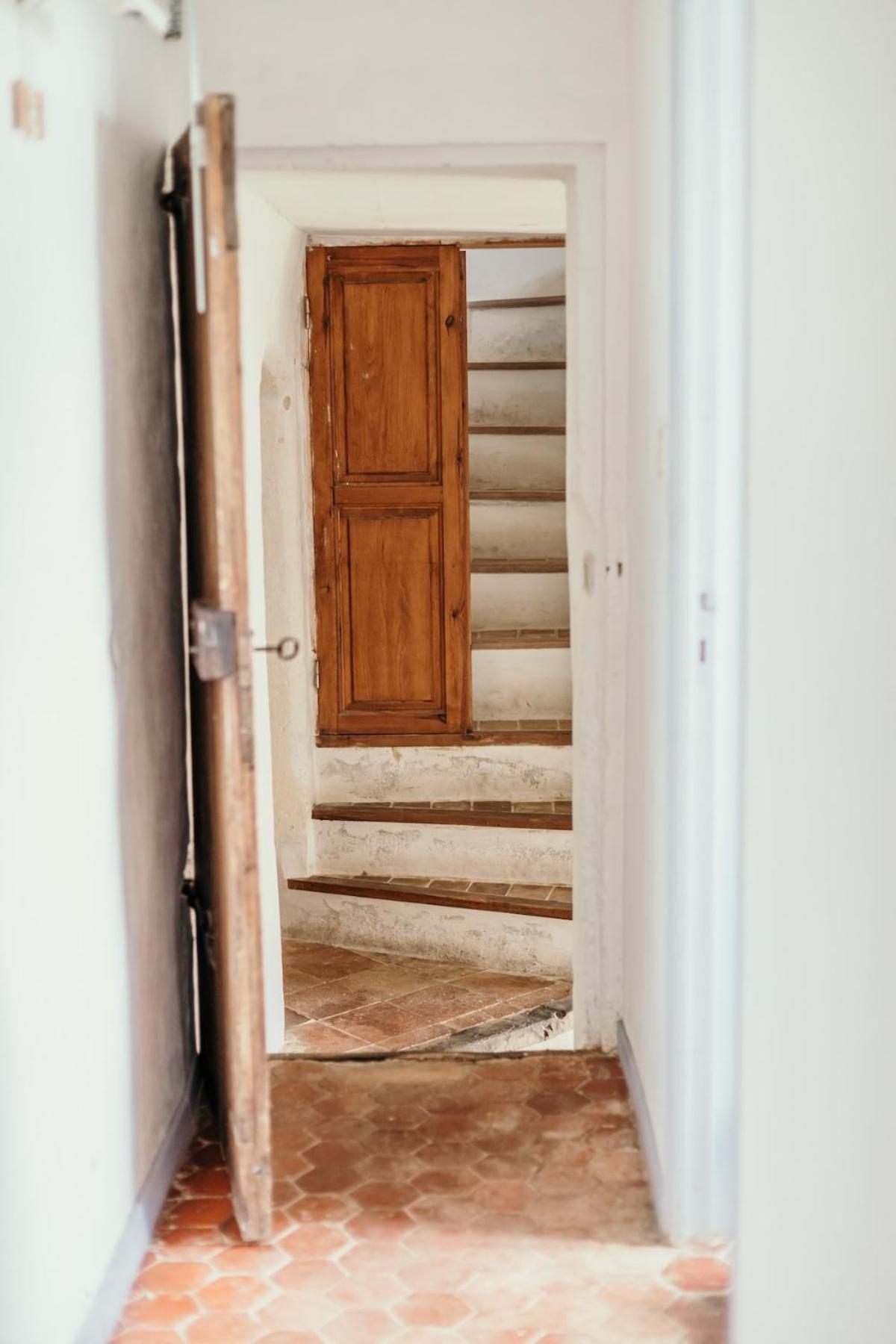
In southern Ardèche, the Fort de La Bastide in Uzer is a fortified structure whose earliest records date back to 1417, built on Roman ruins. A spacious private loft has been converted beneath stone vaults, accessible via a spiral staircase made of cut stone. A 2,000 m² Mediterranean garden surrounds a heated pool, right next to the Ardèche’s wild trails.
In the Aveyron region, Château Salamon overlooks the Tarn Gorges. The accommodation offered is a spacious studio located on the ground floor of the west wing, with a view of the Lacroux Lake reservoir. Guests have access to a private grassy beach and a dock for launching the canoes included in the rental.
Gascony and Bourgeois Charm
Château Gascon, located in Condom in the Gers, is a 13th-century fortified structure listed as a Historic Monument. Perched atop the hillsides, it offers eight rooms, some of which feature authentic four-poster beds. The three-hectare estate exudes absolute tranquility: outdoor music is prohibited, and a noise curfew begins at 10:00 p.m. Like other buildings from this era, it lacks central heating and is therefore closed during the winter season.
Finally, the Château d’Allee in Gontaud-de-Nogaret marks a shift in style with its 19th-century bourgeois architecture. This stately home, located near Marmande, offers accommodations in eight guest rooms. Its location makes it a strategic base for exploring the bastides of southwestern France and the vineyards of Saint-Émilion.