Make Texture a preferred source on Google to support us
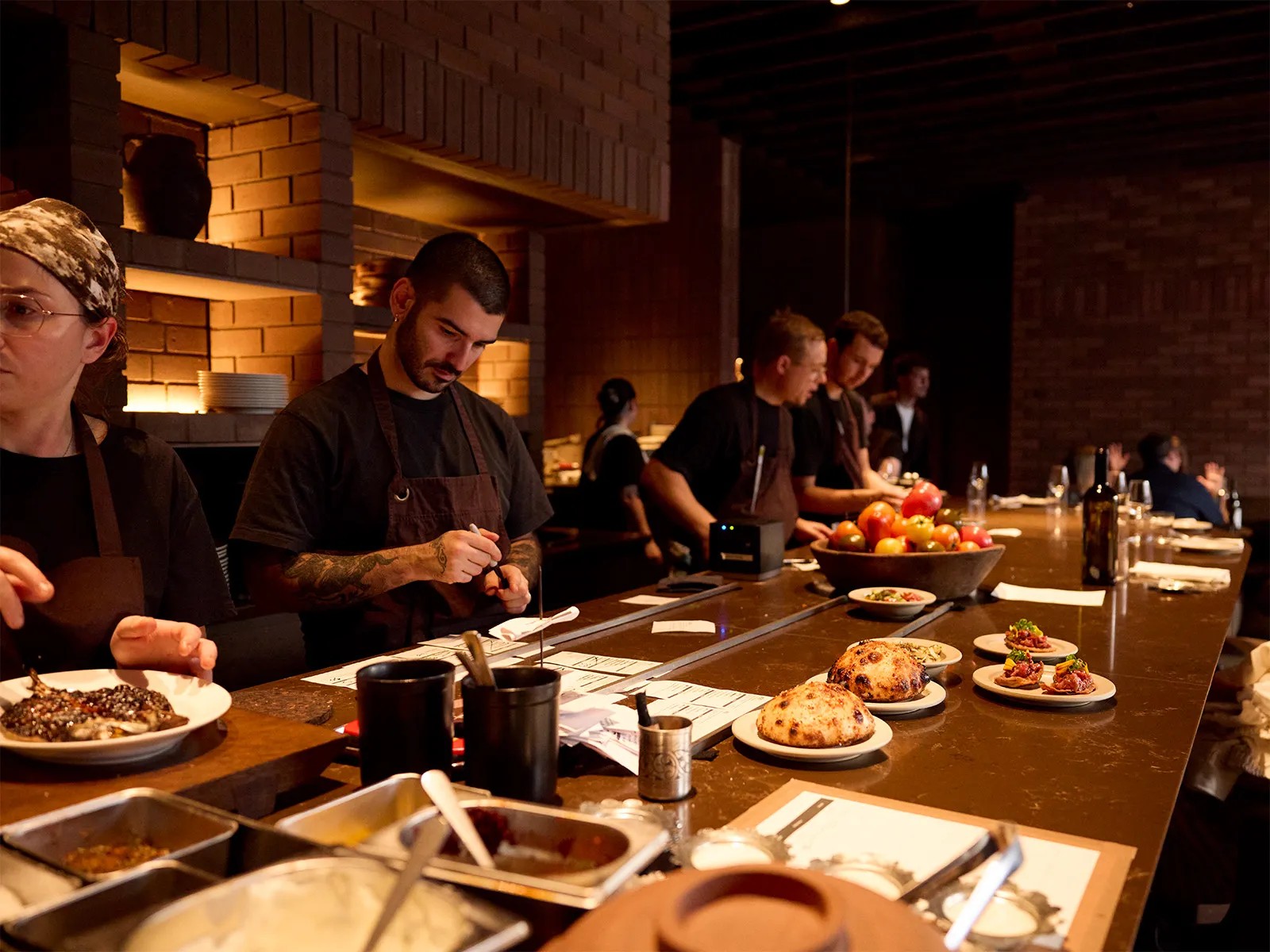
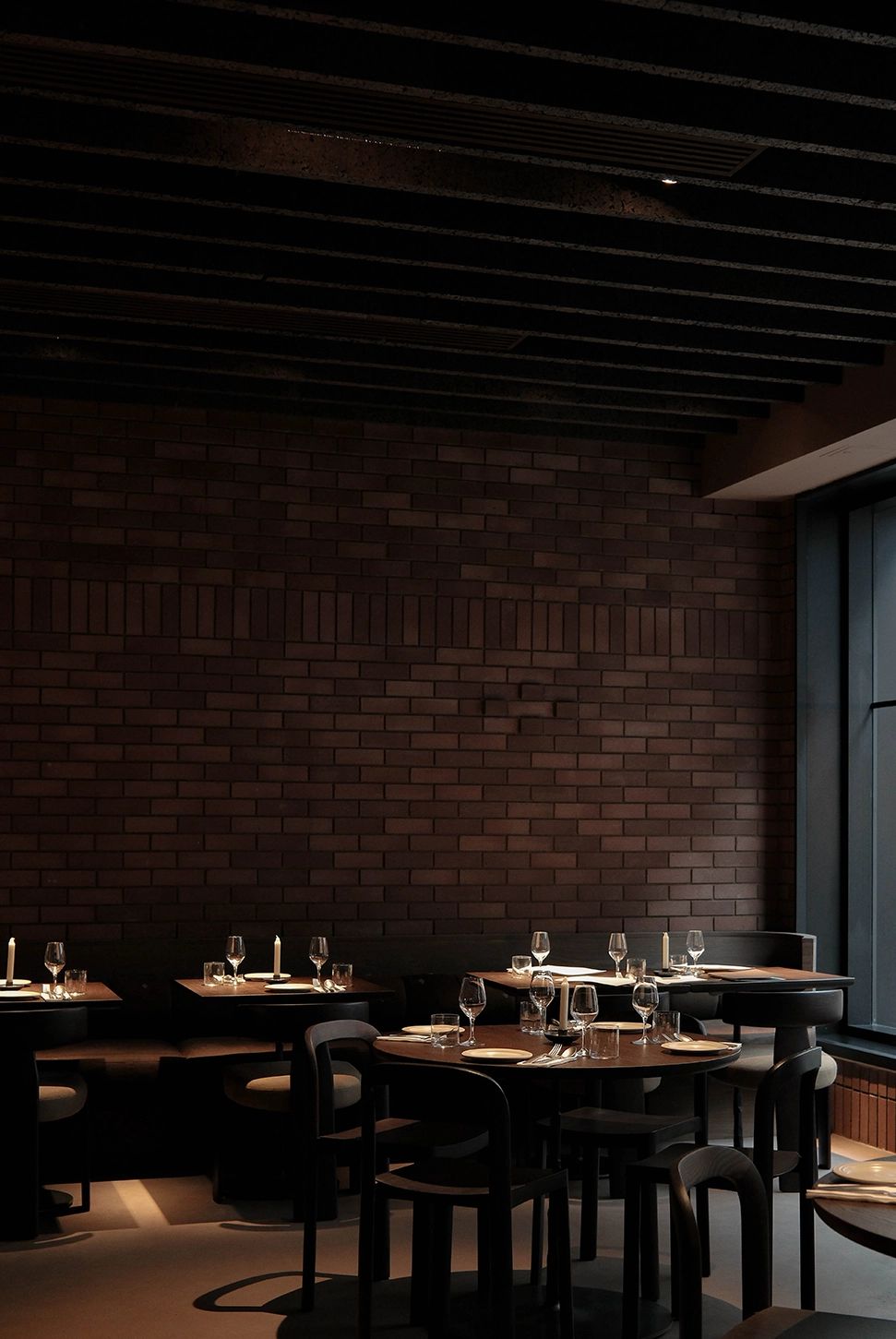
Add Texture to GoogleIn the subdued twilight of a corner in Soho, where the exposed brick walls seem to absorb the whispers of London, a new restaurant is challenging conventional wisdom about Anatolian cuisine. Far from the hustle and bustle of East London, where he made a name for himself, Sertac Dirik has set up shop in the heart of the capital with a concept that is as much a quest for identity as it is a testament to his technical mastery. The project, simply named Kid, is the result of a chance encounter and a shared ambition between a chef returning from Copenhagen and a seasoned restaurant entrepreneur, David Carter. Together, they set aside the trappings of folklore to focus on the essentials: raw ingredients, childhood memories, and the precision of a technique stripped of all superfluous artifice.
Simplicity After Turbulence
Sertac Dirik’s journey reads like a story of emancipation. Trained in the demanding kitchens of Copenhagen, he returned to the United Kingdom in 2020 to breathe new life into the family institution, Mangal II. Under his leadership, the restaurant—renowned for its no-frills grilled dishes—has transformed into an inventive laboratory, celebrated for its boldness. It was in this setting that he met David Carter, the quiet force behind successes such as Manteca, Smokestak, and the recent Greek-inspired openings Oma and Agora. Between the Barbadian restaurateur and the London-born Turkish chef, the chemistry was immediate. When Dirik expressed his desire to strike out on his own, the partnership became a natural fit.
In Soho, Sertac Dirik seems to have found his balance. He readily admits that during his time at Mangal II, he felt a compulsive need to create, even if it meant unnecessarily overcomplicating his dishes. With Kid, he’s returning to a sense of clarity. This change of direction crystallized during a trip to Didim, a coastal town on the Aegean Sea, alongside his father. There, the memory of a roasted kid goat served as a turning point. The dish’s absolute simplicity, its precision, and its flavorful impact have become the new benchmark for his cuisine. Kid is not just the name of the restaurant; it symbolizes a product often shunned by the public, but one that Dirik is committed to rehabilitating through a direct, no-nonsense approach.
A Sensitive Map of Turkey
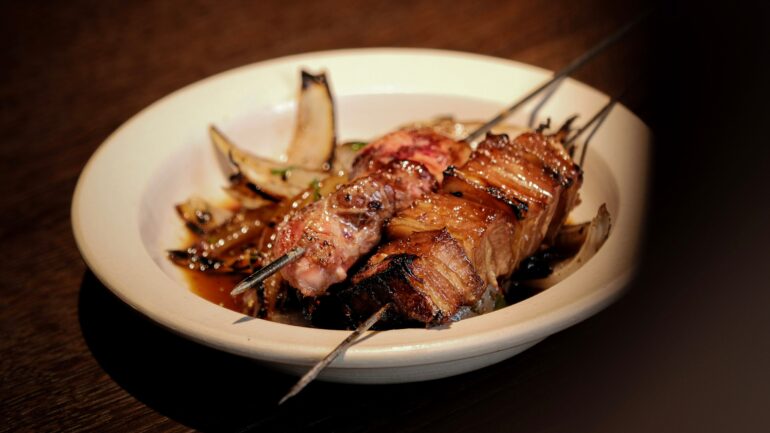
Kid’s menu functions as a personal geography, an exploration of roots that extends far beyond Istanbul’s urban norms. The founding duo spent time along the Bosphorus dissecting the secrets of mackerel sandwiches so they could better reinterpret their structure. Here, the fish is deboned, butterfly-cut, and then grilled until its skin develops those characteristic charred blisters, offering a juicy and slightly tangy contrast. One can sense the influence of Musa Dadeviren, the guiding figure behind the Ciya Sofrasi restaurant in Kadikoy, who inspired Dirik in his quest for rural authenticity.
His father’s influence is evident in his mastery of the grill, a direct legacy from Kayseri in Central Anatolia. The Adana kebab served at Kid is a prime example: a dish whose recipe, according to David Carter, is so perfect that it would be foolish to try to change it. It’s comfort food, rooted in the land, that rejects pretense. But the chef also explores lesser-known facets of Turkish cuisine, venturing into culinary territories that remain largely unexplored in London. His future endeavors promise to focus even more on rural areas, where gastronomic traditions persist, largely unknown to traditional tourist circuits.
The Long Journey of a Mother’s Legacy
While his father represents the fire and the grill, Sertac Dirik’s mother infuses the menu with a more complex dimension, one built on patience and repeated gestures. A native of Sivas, she passed on to the chef a love for time-consuming, meticulous home cooking, which he is now dedicated to elevating to the level of restaurant dishes. This marks a small personal revolution for Dirik, who once questioned the legitimacy of these family recipes in a formal gastronomic setting. Today, he has made them one of the cornerstones of his menu.
The menu features a crispy borek, generously filled with caramelized onions and cheese, delicately placed on a bed of zucchini purée. Further along, the içli kofte evoke the chef’s after-school snacks: these meatballs—true Anatolian dumplings—are here drizzled with a fiery chili sauce and crunchy garlic. These dishes require a considerable investment of time, a far cry from the speed of a traditional kebab. It is this contrast between the intensity of the flame and the slow pace of simmered preparations that gives kid.london its rich narrative depth.
The Signature Dish: Kid with Freekeh
The restaurant’s namesake dish is a testament to patience. Sertac Dirik is a passionate advocate for kid, a meat he believes is unfairly overlooked by diners. For those who can’t find it, lamb is an acceptable alternative, though less distinctive. At Kid, the shoulder is braised and then roasted before being placed on a bed of fermented cabbage, carrots, and chickpeas. It’s a dish meant to be shared, rich in textures, and one that benefits from being prepared the day before to allow the flavors to fully develop.
Serves 4 to 6
Ingredients
For the meat:

- 1 shoulder of kid (or lamb), 2 to 2.5 kg
- 2 fig leaves
- 40 g salt
- 1 yellow onion
- 1 carrot
- 50 ml molasses
- 50 g butter
- Yogurt and pickles as a side dish
For the freekeh:
- 500 g freekeh (smoked green wheat)
- 50 g chickpeas
- 1 liter of chicken broth
- 100 g fermented carrots
- 100 g fermented cabbage
- 70 g butter
- 20 ml lemon juice
- A pinch of salt
Preparation
The first step is to prepare the fig leaf salt by blending the leaves with the salt. Rub the shoulder vigorously with this mixture and let it rest in the refrigerator overnight. The next day, rinse the meat thoroughly to remove excess salt and pat it dry gently. Place the shoulder in a casserole dish with the onion and carrot, then add water until it reaches halfway up the meat. Cover with a sheet of parchment paper, then two layers of aluminum foil to ensure it’s completely sealed. Bake for three hours at 160°C.
Once the meat is tender, remove the covering. Add the molasses and butter to the cooking juices. Increase the oven temperature to 210°C and roast for 5 to 10 minutes, basting the meat every two minutes to achieve a glossy glaze. Meanwhile, cook the freekeh and chickpeas in the chicken broth for about an hour, until the grains are tender. Then stir the fermented vegetables, butter, and lemon juice into the mixture while it’s still hot. Arrange the grains on the bottom of a wide serving dish, place the roasted shoulder on top, and generously coat with the reduced cooking juices. Serve immediately with fresh yogurt and pickled vegetables to cut through the richness of the dish.
In this corner of Soho, Sertac Dirik does more than just feed his guests; he documents a culture in motion. Drawing on memories of Sivas and techniques from Kayseri, he proves that Turkish cuisine still has many stories to tell—provided we’re willing to venture off the beaten path to listen to the voices of those who bring it to life every day.