Make Texture a preferred source on Google to support us
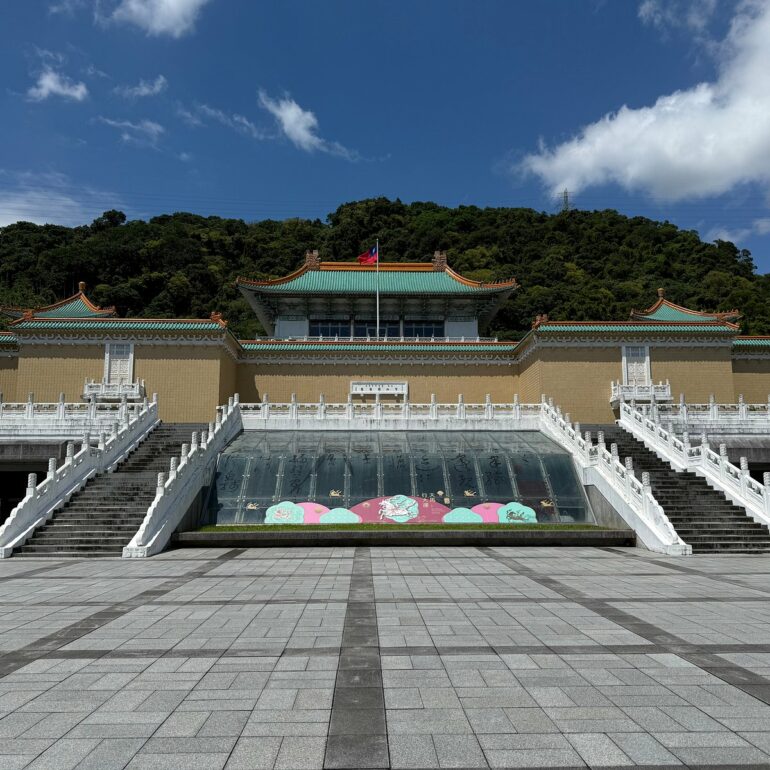
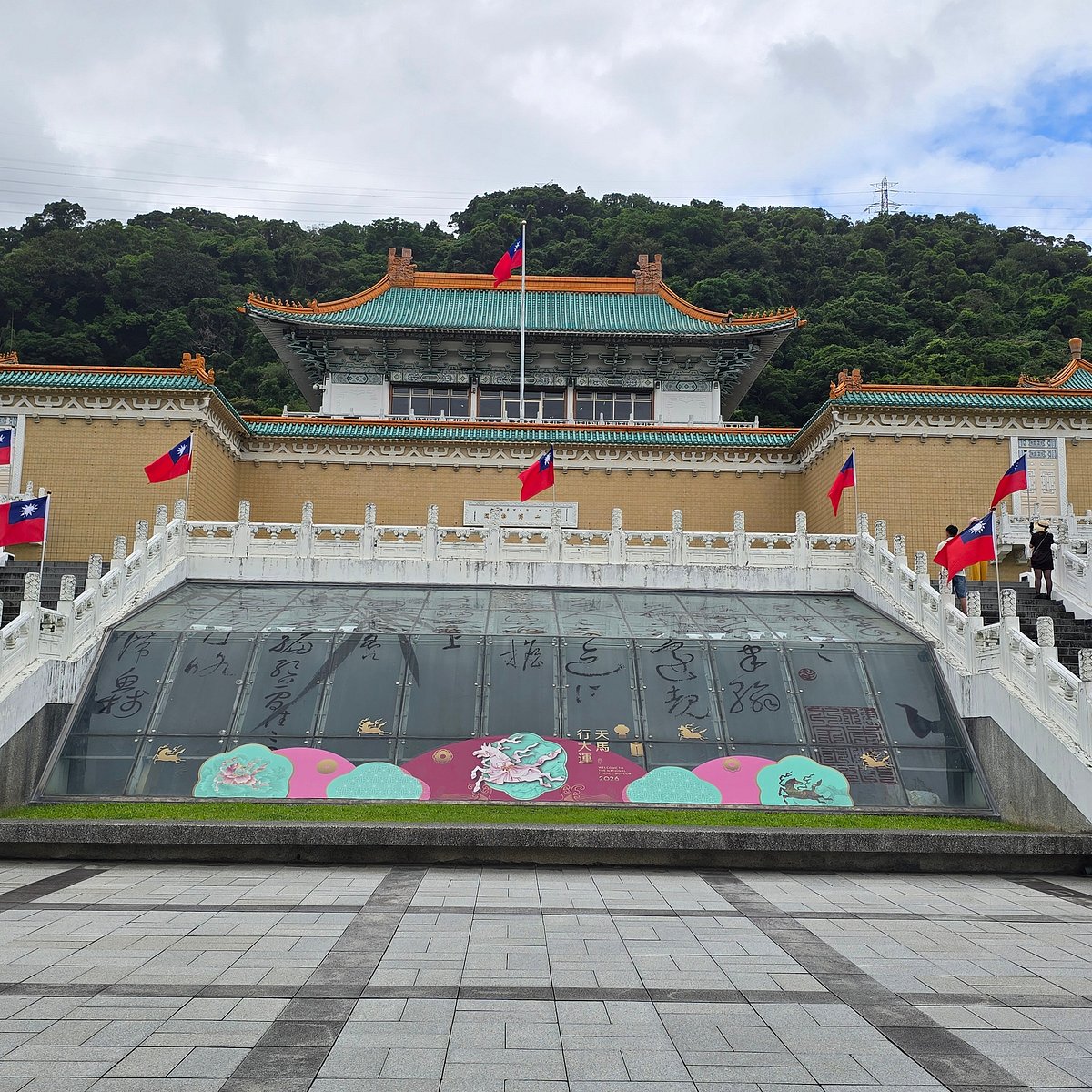
Add Texture to GoogleThis task takes place entirely out of the public eye, yet it is the cornerstone of the entire institution. Far from the display cases and the curatorial design, the National Palace Museum in Taipei is preparing to tackle one of the most daunting challenges in museum life: a comprehensive inventory of its collections. The numbers alone illustrate the scale of the challenge. The administration will have to meticulously examine, identify, and validate more than 690,000 items. Appearing before the Legislative Yuan’s Education and Culture Committee, the museum’s director, Hsiao Tsung-huang, outlined the details of this fourth inventory campaign. It is a titanic five-year undertaking, in which even the slightest discrepancy in documentation threatens to undermine the island’s scientific—and political—credibility.
The cultural heritage preserved in Taipei ranks among the most sensitive in the world. In this context, the absence or inadequate documentation of an object goes beyond a mere administrative hiccup and can escalate into a major diplomatic incident. The Legislative Yuan has, in fact, formally emphasized this in its budget documents, demanding strict control over the timeline, procedures, and risks inherent in handling such a large volume of artifacts.
The Geography of Risk: Confined Spaces and Just-in-Time Operations
Moving hundreds of thousands of works of art is not merely a matter of logistics. Each handling operation exposes the objects to physical risk. Several elected officials have thus questioned management about the vulnerability of these operations, pointing in particular to the layout of the north site. Its storage areas are too narrow to comfortably accommodate the constant movement of objects under examination. The cramped nature of the premises dictates its own rules: the lack of square meters slows down the rotation of works and increases the danger during transfers.
Added to this space constraint is a structural fragility in human resources. In the past, the institution relied on stopgap measures, such as temporary employment programs or replacement services, to bolster its staff during inventory counts. Those days are over. Hsiao Tsung-huang was unequivocal in his remarks to lawmakers: the museum has submitted a multi-year plan to the executive branch calling for the creation of permanent positions. Without a stable and dedicated workforce, the initial five-year timeline will fall apart.
The Mechanics of Evidence: Enforcing an Outside Perspective
The issue of oversight of operations quickly took center stage in parliamentary debates. Who oversees those who oversee? To prevent any conflict of interest, female lawmakers demanded strict selection criteria for the commissioners tasked with validating this new inventory, calling for extensive involvement from civil society and independent experts. The goal is to open up heritage management to genuine public scrutiny.
The museum’s administration has decided to exclude its active staff from these oversight roles. The selection of supervisors will focus exclusively on external candidates. The following are being considered to serve on these bodies: members of the acquisitions committees, specialists from the Ministry of Culture, representatives of Parliament, recognized professionals from the museum sector, as well as former curators with prior experience in past inventories.
On the ground, the procedure follows a ritual that is deliberately slow, ensuring its accuracy. Verification sessions will involve two to three curators, with a quorum set at two people physically present. Their task involves comparing the physical object with its paper inventory record and its digital record. If there is a perfect match, the team signs an official report. This method ensures a secure chain of custody but results in an extremely labor-intensive process.

The Brain Drain and the 2027 Deadline
While certifying the past keeps regulatory bodies busy, the physical preservation of works raises questions about the future. Conservation and restoration are undergoing a silent crisis, brought to light by Representative Kuo Yu-ching. The statistics she presented to the committee paint a concerning picture of a brain drain: between 2022 and 2026, the institution hosted 53 people for internships or observational placements. In the end, only four of them were hired. The institution trains, mentors, and passes on knowledge, but fails to retain these highly specialized professionals in its workshops.
This inability to retain conservators comes at the worst possible time. The museum is preparing to open a brand-new conservation center at its southern site, scheduled for 2027. This geographical expansion will force the institution to split and distribute its staff between the two locations. Finding qualified archivists, artisans, and conservators is a daunting challenge, and mastering the precision of the craft requires years of practice.
Building the Next Generation of Academics
To stem this shortage of skilled workers, the administration is working to strengthen its academic network. Hsiao Tsung-huang outlined a series of cooperation agreements ratified with several institutions of higher education. The National Tainan University of the Arts, Cheng Shiu University of Technology, National Yunlin University of Science and Technology, and National Kaohsiung University of Science and Technology are now partnered with the museum.
These strategic alliances aim to structure the transfer of expertise prior to recruitment through skill-sharing, targeted courses, and specialized workshops. The CNA news agency particularly highlights the importance of the agreement reached with Cheng Shiu University, designed specifically to enhance practical training. The National Palace Museum thus hopes to transform these student pools into future defenders of its heritage. Although less visible than an international exhibition, this internal restructuring of conservation efforts and this extensive inventory will nevertheless determine Taipei’s ability to sustainably protect a heritage defined by its inestimable rarity.