
Make Texture a preferred source on Google to support us
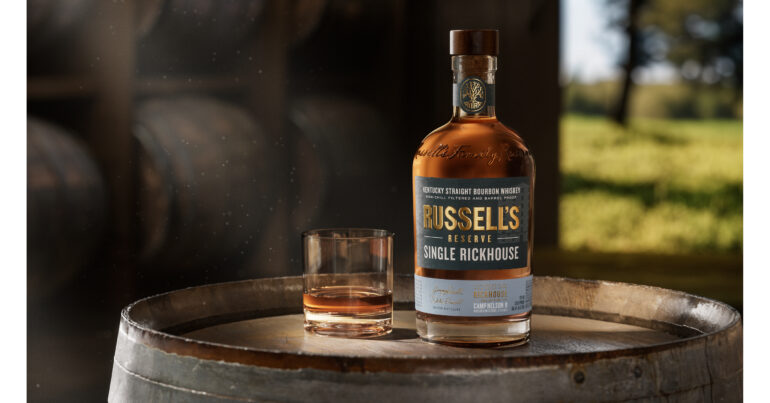
Add Texture to GoogleIn 1981, a young union employee at Wild Turkey began his career in a distillery in Jessamine County, Kentucky, built thirty-five years earlier. The building bore the unassuming code name Camp Nelson D. The young man’s name was Eddie Russell. Forty-five years later, having become the distillery’s master distiller, he returned to draw from those same shelves to craft his new limited edition. He was looking for the smoothness one expects from a bourbon. He brought back a whiskey so rich in spices that a taster, with a blind tasting glass in hand, might mistake it for a rye.
The aging cellar as the sole variable
Announced on October 6, 2026, the Russell’s Reserve Single Rickhouse 2026—known as CND among connoisseurs—is the fifth annual release in a collection built on a simple yet rather radical idea in the world of bourbon: keeping the same base recipe and varying only the aging location. Each year, Russell’s Reserve sets aside a single aging rickhouse—a “rickhouse” in Kentucky lingo—and lets its microclimate take center stage. The brand refers to the “terroir” of aging, a term typically associated with vineyards rather than warehouses.
The series began in 2022 with Camp Nelson C, then continued with Camp Nelson F in 2023, Camp Nelson B in 2024, and Camp Nelson E in 2025. Five letters, five buildings, one and the same distillate. The project has the feel of a laboratory experiment conducted on the scale of a distillery—that of Wild Turkey Distilling Co., owned by the Campari Group and located in Lawrenceburg. The page dedicated to the Single Rickhouse collection traces this logic from one release to the next.
Back to Camp Nelson D
This year’s choice is as much about biography as it is about science. Camp Nelson D, built in 1946, is the very first rickhouse where Eddie Russell worked. Bringing it out of obscurity for the release that coincides with his 45-year career feels like a form of closure, without any grandstanding: a man returning to his first job and realizing that the place still has something to teach him.
The building also has physical characteristics that matter when it comes to aging. It stands on the west side of the campus, at the highest elevation ever used in the collection, and remains exposed to strong, continuous airflow. For a whiskey that spends years in wood, these factors are far from trivial: a cellar’s location determines how air and temperature affect the contents of the barrels.
Five floors, including the first
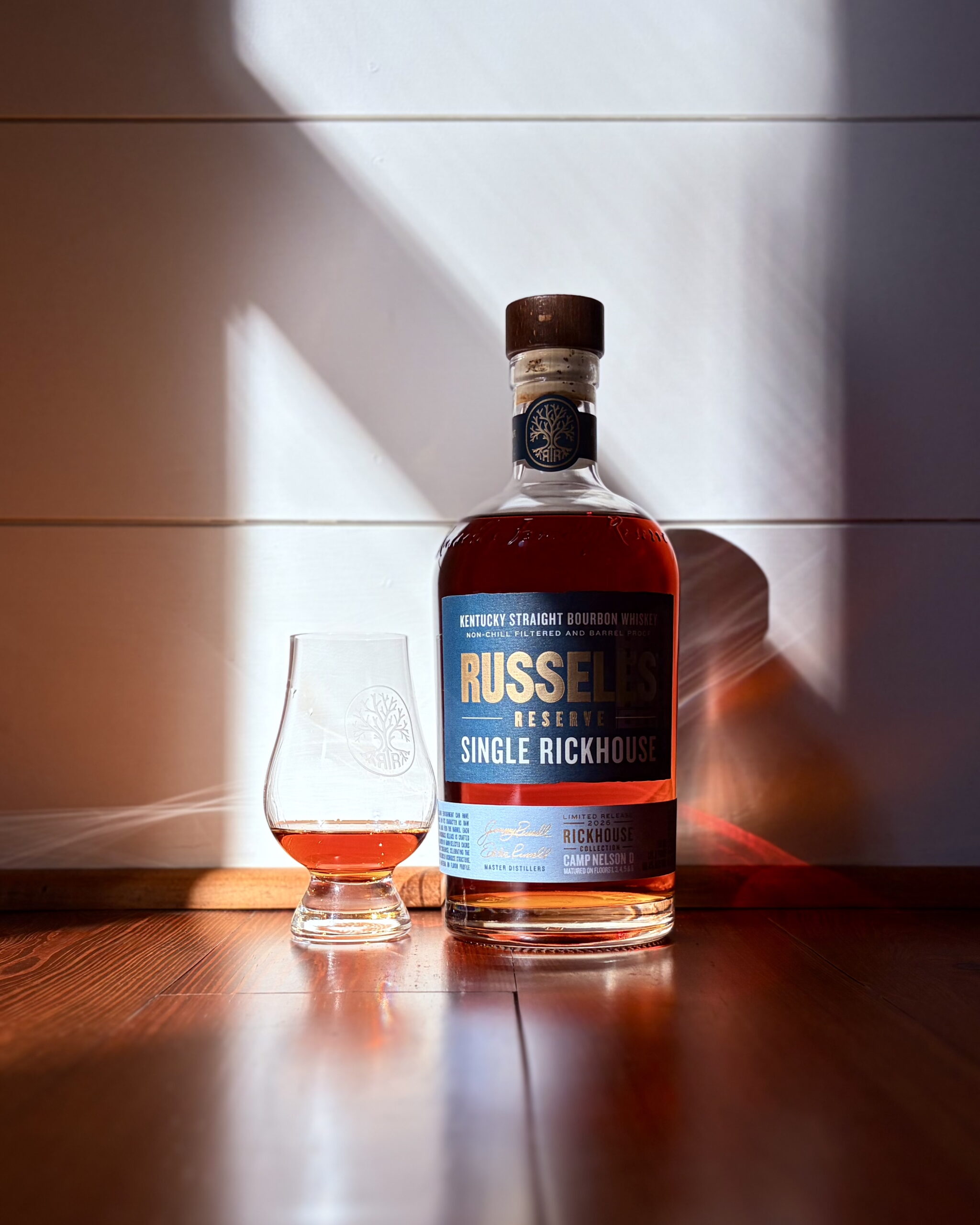
The blend brings together small batches of barrels selected from five levels of the building: floors 1, 3, 4, 5, and 6. The second floor is not included in the selection. The most notable detail is found at the bottom. This is the first time the series has included barrels from the ground floor—or first floor, in American terminology. In a cellar, the lower levels experience cooler temperatures and yield a maturation profile different from that of the upper floors.
Should we attribute the spicy character of the final product to these lower barrels, the site’s elevation, or the air that circulates through the building? Nothing in the information provided allows for a definitive answer, and perhaps that is the whole point of the collection: to pose the question without claiming to have a definitive answer. The cellar imparts a certain character; the team recognizes it and chooses to bottle it rather than correct it.
A bourbon that speaks of rye
On paper, this is a Kentucky Straight Bourbon Whiskey made using the distillery’s traditional bourbon recipe. In the glass, however, it’s a different story. Eddie Russell explains that the team set out to capture bourbon’s classic roundness, but bold spices—typical of rye—took center stage. So much so, he admits, that a blind taster could easily mistake it for a rye. Hence the target audience, almost by default: rye whiskey enthusiasts, who will find a bourbon here that speaks their language.
The official tasting notes illustrate this progression. The nose remains true to bourbon, with baked fruit, apple, sweet baking spices, and vanilla. The palate shifts: cinnamon, cloves, stone fruits, and a hint of rye bread that, on its own, sums up the paradox of this release. The finish, of medium length, continues this theme with rye spices, pepper, more cinnamon, and a spicy oak note.

This tasting note reveals a fairly distinct shift between a reassuring initial nose and a palate that takes the connoisseur by surprise. It is this contrast, more than its power, that defines CND’s identity.
Straight from the cask, with no age statement
Yet the power is definitely there. The whiskey is bottled straight from the cask at 120.8 proof, or 60.4% alcohol. It is not chill-filtered, which leaves in the liquid the compounds that this process usually removes. It comes in a 750-ml bottle.
The label, however, bears no age statement. This is an important point to keep in mind given certain figures currently circulating. Some estimates suggest casks aged at least twelve years, while others indicate a range of ten to fifteen years. These are inferences, not commitments from the brand, which has not disclosed any age information. The same caution applies to production volumes: the number of barrels blended and the number of bottles produced have not been made public.
Three hundred dollars, one bottle per person
The suggested retail price is set at $300, or approximately 273 euros in October 2026. The release will be available starting that month at select specialty liquor stores in the United States and at the Wild Turkey Distillery’s visitor center in Lawrenceburg. Online sales on the official website are scheduled to begin on Tuesday, October 20, 2026, with a strict limit of one bottle per customer.
The secondary market didn’t wait. Even before online sales began, third-party resellers were already listing the bottle for pre-order or at a markup, ranging from $499 to $599—about 455 to 545 euros. For a whiskey whose exact production run and precise age are unknown, the gap between the suggested retail price and the market price speaks volumes about the demand the Single Rickhouse series has generated since 2022.
One question remains that the sixth edition will inevitably raise. After five Camp Nelson distilleries—including the one where Eddie Russell took his first steps—the next release will have to hold its own against a bourbon that its creators never intended to see aged in rye barrels.