Make Texture a preferred source on Google to support us
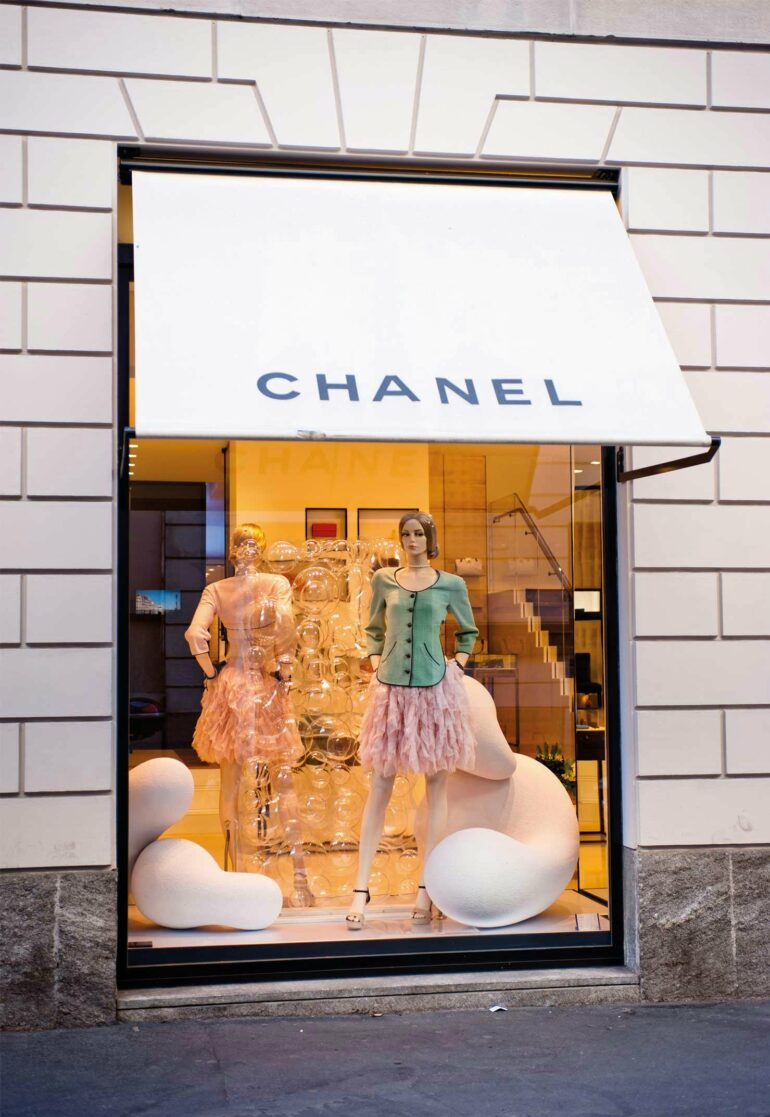
Add Texture to GoogleThe immaculate storefronts on Via Monte Napoleone have never seemed so far removed from Lombardy’s industrial zones. In the collective imagination, a designer handbag comes to life under the expert hands of a craftsman whose time-honored techniques are put to use as he works at a workbench bathed in natural light. The reality, brought to light by recent judicial investigations in Milan, unfolds under pale neon lights. Sewing machines from which safety devices have been deliberately removed to speed up production. Mattresses laid directly on the floor, between rolls of leather and stacks of cardboard. An invisible workforce, churning out on an assembly line the objects of desire that will take pride of place under glass domes in the world’s major cities. The “Made in Italy” seal—a promise of excellence and authenticity—masks a formidable industrial machine where the very notion of craftsmanship fades in favor of drastic cost optimization.
This disconnect between image and production is no accident, but the result of a profound transformation within the sector. In transitioning from an elitist niche to a global industry generating tens of billions of euros, the luxury sector has had to solve a complex equation: mass-producing goods while maintaining the illusion of scarcity. To meet exponential global demand without sacrificing profit margins, the Italian production apparatus has restructured itself, exploiting the loopholes in a legal system that has become blind to the realities of contemporary supply chains.
The mirage of the final transformation
The label, embroidered in gold letters on the lining, serves as a pass. It alone justifies stratospheric retail prices. European customs law, however, proves to be disarmingly flexible: a product’s origin is determined by the location of its “last substantial transformation.” A technical rule that allows a garment whose components were manufactured at low cost on the other side of the globe to obtain the coveted seal of approval, provided that final assembly took place on Italian soil. This definition strips the label of its substance. It no longer guarantees a strong territorial foundation but simply validates the final destination of a fragmented logistics chain.

The Italian peninsula has thus seen a proliferation of manufacturing enclaves operating in isolation. In regions historically linked to textiles and leather goods, opaque subcontracting networks have taken root. Entrepreneurs have set up semi-clandestine workshops, replicating the social standards of developing countries right in the heart of Europe. This parallel network offers clients the opportunity to source locally, while benefiting from rates usually reserved for distant offshoring.
The Mechanics of Invisible Margins
Legal investigations have quantified this practice with clinical precision. The reports highlight staggering discrepancies between the manufacturing cost and the retail price. A tote bag sold to the end customer for more than 2,600 euros had a production cost—paid to the subcontractor—of barely 53 euros. Other models, sold for around 1,900 euros, rolled off the assembly lines for less than 100 euros. These paltry amounts barely cover the cost of high-quality raw materials, making it impossible to pay skilled labor at legal rates.
Maintaining these profit margins relies on a cascade of subcontracting. Manufacturers contract with tier-one suppliers, who, on paper, provide all the necessary guarantees of compliance. Subject to unsustainable profitability demands and crushing deadlines, these suppliers unofficially transfer production to a network of small, unregistered entities. This legal firewall allows them to maintain a facade of respectability. In the event of an inspection, the brand claims ignorance, shifting the blame onto the intermediary supplier accused of violating the contract terms.
Judges are now refusing to accept this line of defense. By placing the production subsidiaries of certain industry giants under court-appointed receivership, the Milan court has drawn a new red line. Willful blindness is no longer acceptable. Investigators consider the lack of rigorous verification to be a structural component of the business model, designed to drive down prices while absolving the company of social responsibility. The obligation to exercise due diligence must extend all the way down to the last link in the chain.

The Human Side of the Story
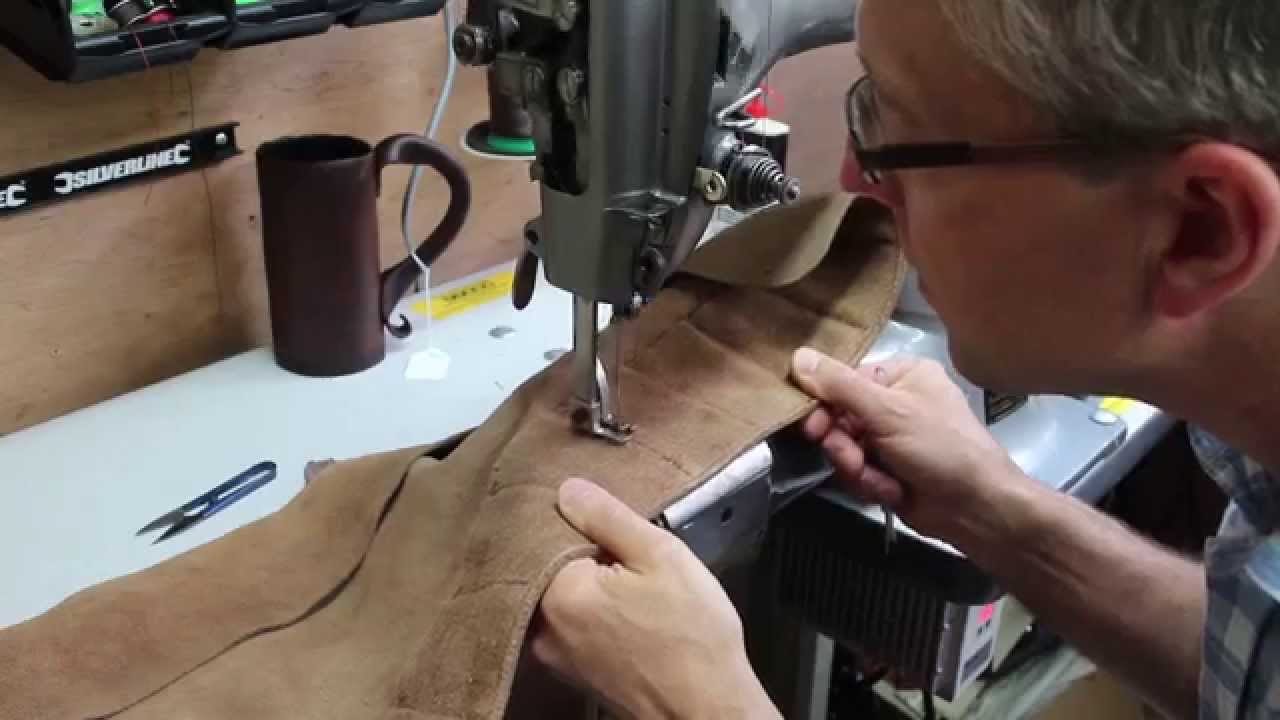
Beyond financial engineering and falsified contracts, the physical reality of these workshops is strikingly brutal. Inspections describe workers—often undocumented—enduring endless days without a weekly day off. The unsanitary dormitories set up above the workstations erase any boundary between the factory and private life. Urgency dictates the pace, relegating dignity and safety to the background.
To shave off a few seconds from the production of each bag, the metal guards and emergency stop sensors on the presses are regularly deactivated. The risk of mutilation becomes merely a variable to be adjusted. The absolute antithesis of the poetry of handcrafted work touted by advertising campaigns. The product, which is supposed to embody patience and the passage of time, is churned out by a logic of mass production that borrows its methods from the worst excesses of the disposable fashion industry.
The Risk of Disenchantment
The recurrence of these incidents raises a fundamental question for an industry built on desirability. The affluent customer does not merely purchase an assembly of leather and metal; they acquire status, a fragment of cultural heritage. The dissonance between the rhetoric on eco-responsibility touted at shareholder meetings and the harsh reality on the ground directly threatens this contract of trust. Investors themselves are concerned about the reputational impact of court-ordered receivership, aware that a brand loses its appeal once the veil of exclusivity is torn away to reveal exploitative practices.
Italy finds itself at a crossroads. The country is still home to a network of artisans of unparalleled richness, capable of technical feats that are the envy of the world. But the opacity tolerated for decades is eroding this aura from within. Restoring the label’s credibility will require far more than superficial ethical charters or pre-announced audits. The sector’s long-term viability requires full traceability, the re-in-house production of factories, and above all, the acceptance of profit margins more in line with the reality of manufacturing that is truly worthy of the name. Prestige isn’t decreed by a hastily sewn label; it’s proven by the transparency of its execution.