Make Texture a preferred source on Google to support us
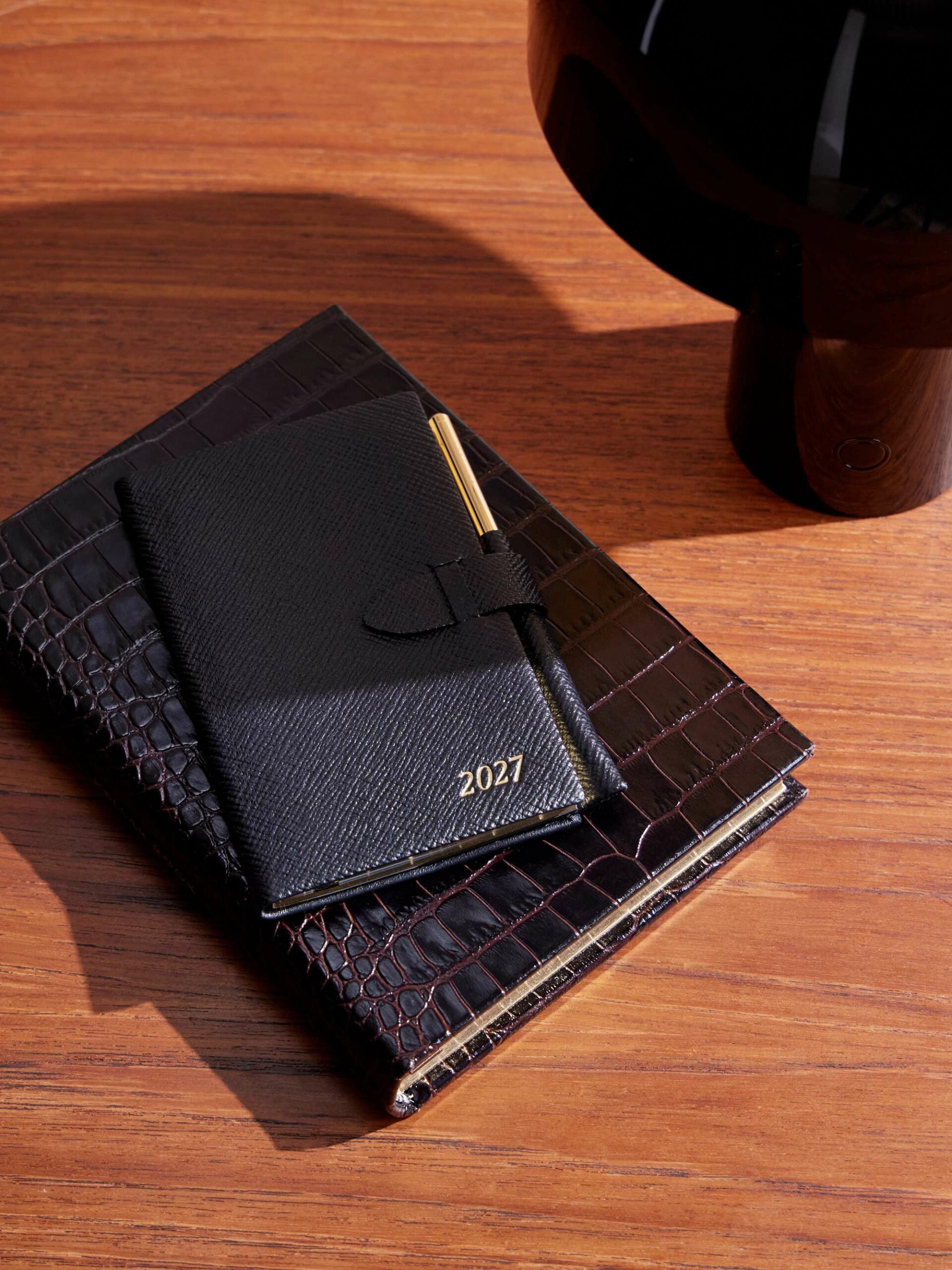
Add Texture to GoogleA Utah courtroom, March 2023. Actress Gwyneth Paltrow is on trial for a collision that occurred a few years earlier on the ski slopes of Deer Valley. The legal stakes of the hearing fade almost instantly in the face of the fashion show unfolding at the witness stand. An olive-green double-breasted coat, a cream-colored chunky-knit sweater with a turtleneck, soft leather ankle boots, a Smythson notebook resting on the table. No monograms, no visible labels, but a blinding opulence for the trained eye. At that very moment, the general public discovered a concept that insider circles had been practicing for decades under the name “stealth wealth”: silent luxury. Far from a mere stylistic fad confined to seasonal trend boards, this aesthetic reflects a profound shift in our relationship to clothing, power, and the display of wealth.
The End of Visual Intoxication
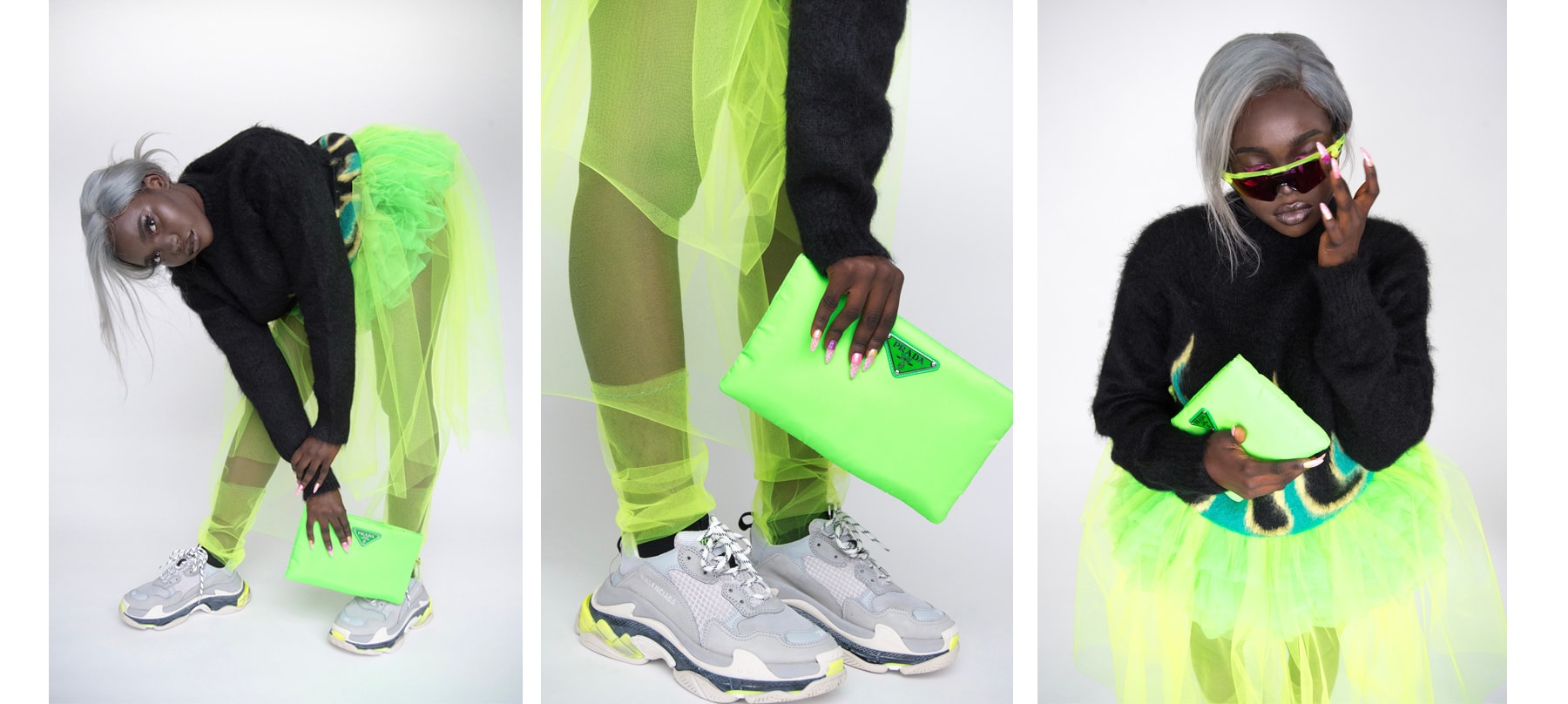
To understand the radical rejection of the logo, one must look at the decade that preceded it. The 2010s were marked by outrageous logomania, driven by a race for maximum profit in the Asian market and the explosion of streetwear culture. From Gucci’s interlocking double Gs to Balenciaga’s neon sneakers, clothing was meant to function as a billboard. Buyers paid to be instantly recognized—by everyone—on the street as well as on Instagram. Value lay in the surface, in the obviousness of the expense.
The cycle reversed under the combined pressure of a global pandemic and rampant inflation. Flaunting an oversized gold-buckled belt or a bag saturated with monograms has suddenly become not only inelegant but almost indecent in the face of economic contraction. The ultra-rich have felt the need to blend in—a form of social self-defense. The goal is no longer to impress passersby, but to be recognized solely by one’s peers. It’s a closed-circuit form of communication, a language of complicity where a hand-sewn hem or the precise drape of a pair of flannel pants replaces the flashy logo.
The Art of Discreet Luxury
This stylistic approach is rooted in an uncompromising focus on materials and cut. Quiet luxury eschews artifice to concentrate on textile engineering. We no longer speak of cotton or wool, but of Peruvian vicuña, Mongolian baby cashmere, washed silk, or dipped lambskin. Historic houses like Loro Piana and Brunello Cucinelli have long embodied this philosophy, offering unstructured jackets and knitwear in neutral shades—beige, taupe, pearl gray, navy blue—whose prices defy the general public’s comprehension. A seemingly ordinary sweater can cost several thousand euros, precisely because its value is apparent only to those who wear or touch it.
Younger brands have also built empires on this rejection of the spectacular. Founded by sisters Mary-Kate and Ashley Olsen, The Row takes minimalism to the point of obsession. Their fashion shows take place without music, often with no phones allowed, and their signature pieces—such as the Margaux bag, devoid of any ostentatious metal branding—sell out via waiting lists. The absence of branding has become the ultimate signature. The label is hidden, sometimes even sewn with thread of a slightly different color on the inside, to ensure perfect anonymity on the outside.
Television as a Mirror of Class
Paradoxically, the widespread dissemination of these aristocratic codes owes much to popular culture—and more specifically to the television series *Succession*. By dissecting the power struggles of the Roy family, media moguls, the show has offered a masterclass on the attire of the American hyper-bourgeoisie. The costume designers have banished any visually loud elements, dressing the series’ billionaires in logo-free baseball caps, dark crew-neck sweaters, and tailor-made suits worn without ties.
A single scene from the first season encapsulates this sociological divide. When a character from outside the family tries to fit in by carrying a handbag from a major British fashion house—immediately recognizable by its giant tartan pattern—she is subjected to the clan’s merciless mockery. The bag, described as “ridiculously huge” and flashy, betrays her status as a nouveau riche and her desperate need to prove she can afford it. The truly powerful have nothing to prove. They dress with a studied indifference, a calculated nonchalance that costs a fortune. Their power lies in never appearing to have made an effort.

A History of Minimalism
While the term “quiet luxury” is currently driving algorithms wild, the aesthetic approach it describes is part of a long history. It is not a contemporary invention, but rather the cyclical return of a fundamental principle of the European bourgeoisie and the North American WASP establishment: a visceral distrust of ostentation. In the 1990s, designers such as Jil Sander, Calvin Klein, and Martin Margiela had already orchestrated a purge of excess in reaction to the shoulder pads and over-the-top gilding of the previous decade. A figure like Carolyn Bessette-Kennedy, with her black pencil skirts, white men’s shirts, and austere camel coats, embodied this quiet modernity.
This trend also has its roots in the classic uniforms of the financial and political worlds on the East Coast of the United States, where consistency takes precedence over seasonal innovation. Dressing “old money” means cultivating the illusion that one is wearing clothes inherited from one’s grandparents. The subtle wear of an Oxford shirt collar, the patina of a leather loafer, the vintage watch on the wrist: these details whisper a story of lineage and heritage, in contrast to fresh, newly earned money that burns a hole in one’s pocket and is flaunted on the chest.
Appropriation and the Digital Mirage
The current paradox lies in the virality of this inherently understated phenomenon. On platforms like TikTok, hashtags related to “quiet luxury” and “old money” rack up billions of views. Teenagers dissect the outfits of heirs spotted in Monaco or the Hamptons and try to replicate their look. The fast fashion industry has, of course, rushed to fill the gap. Major ready-to-wear chains are flooding their shelves with beige blazers, loose-fitting pleated pants, and sleeveless vests meant to replicate this aura of wealth.
But the exercise quickly turns into a parody. Since “quiet luxury” relies entirely on the excellence of sourcing and the time-intensive nature of craftsmanship, it is physically impossible to reproduce at low cost. A polyester sweater—even if it’s beige and logo-free—will never drape like a pure cashmere knit. The seams of a mass-produced coat immediately betray the cost-cutting measures involved. As it becomes more widespread, the concept loses its substance, becoming nothing more than a color code—yet another aesthetic trend that we consume and discard. Faced with this massive wave of imitation, the circles of power have, in fact, already begun to look elsewhere, searching for the next—even more subtle—way to signal their exclusivity.