
Make Texture a preferred source on Google to support us
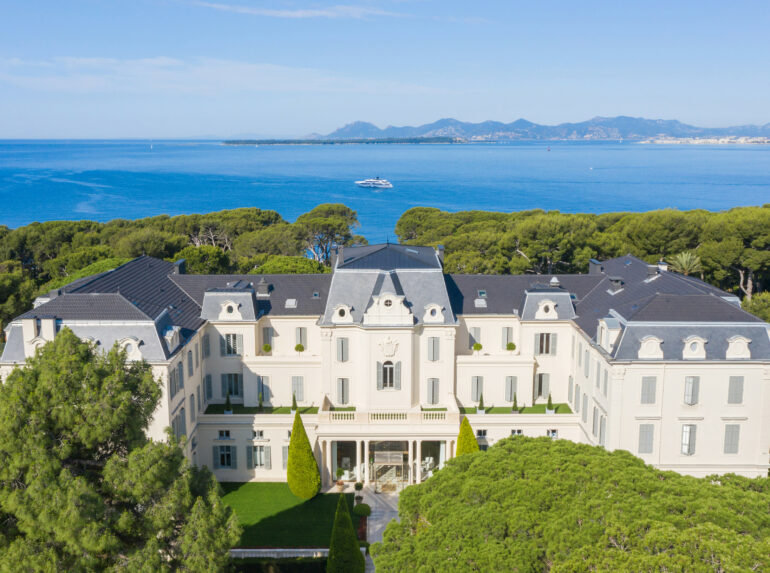
Add Texture to GoogleThe crunch of golden gravel beneath the tires marks the end of the secular world. Almost immediately, the scent follows: a dry blend of crushed pine needles, resin, warm earth, and sea spray. Even before catching sight of the wood paneling in the lobby or the row of lounges, the seaside resort imposes its physical presence. Facades of a blinding white stand out against the cobalt blue of the water. Unlike large urban hotels, crammed into the asphalt and driven by the urgency of business, or Alpine retreats withdrawn into themselves around the fireplace, the grand coastal hotel opens abruptly toward the horizon. It offers not a shelter, but a promontory. Its walls frame the light. Its primary purpose is to facilitate the encounter between the human body and the natural elements, with a promise of total release from effort.
The Conquest of a Hostile Shore
For a long time, the coast was nothing more than a windswept frontier, inhabited by fishermen battling storms. The European aristocracy of the nineteenth century, pioneers of modern tourism, initially sought it out as a winter retreat. The architecture of the first colossal hotels reflected this elegant reserve. They featured immense glass-enclosed verandas, reading rooms with their backs to the beach, and winter gardens where one could watch the surf from a safe distance, strictly sheltered from the sea spray. The spaces were designed to accommodate the bulky bathrooms of the era, and the hallways were wide enough to pass by trunks packed with fall wardrobes.
The shift of the 1920s turned this approach on its head. The sun ceased to be an enemy of the skin and became a social virtue. Bodies were exposed on the sand, forcing the luxury hotel industry to evolve rapidly. Balconies were widened to let in the sunlight from the front, terraces took over the flat rooftops, and seawater pools were blasted directly out of the rock. Over-the-top stucco has often given way to clean lines and sleek arches that frame the sea. Today’s visual language retains the hallmarks of that era: slatted shutters to filter the intensity of the midday sun, the omnipresence of cool marble beneath one’s feet, and the constant pursuit of cross-breezes.
Defying Geology
The construction of these colossal structures often amounts to a challenge to the topography. On the steep cliffs bordering the Mediterranean, flat ground is virtually nonexistent. It was necessary to cling to the slope, taming the terrain through a complex system of terraces and retaining walls. Some establishments go so far as to drill into the rock to install discreet elevators, allowing guests to descend to private coves without having to climb dozens of steps in the summer heat.
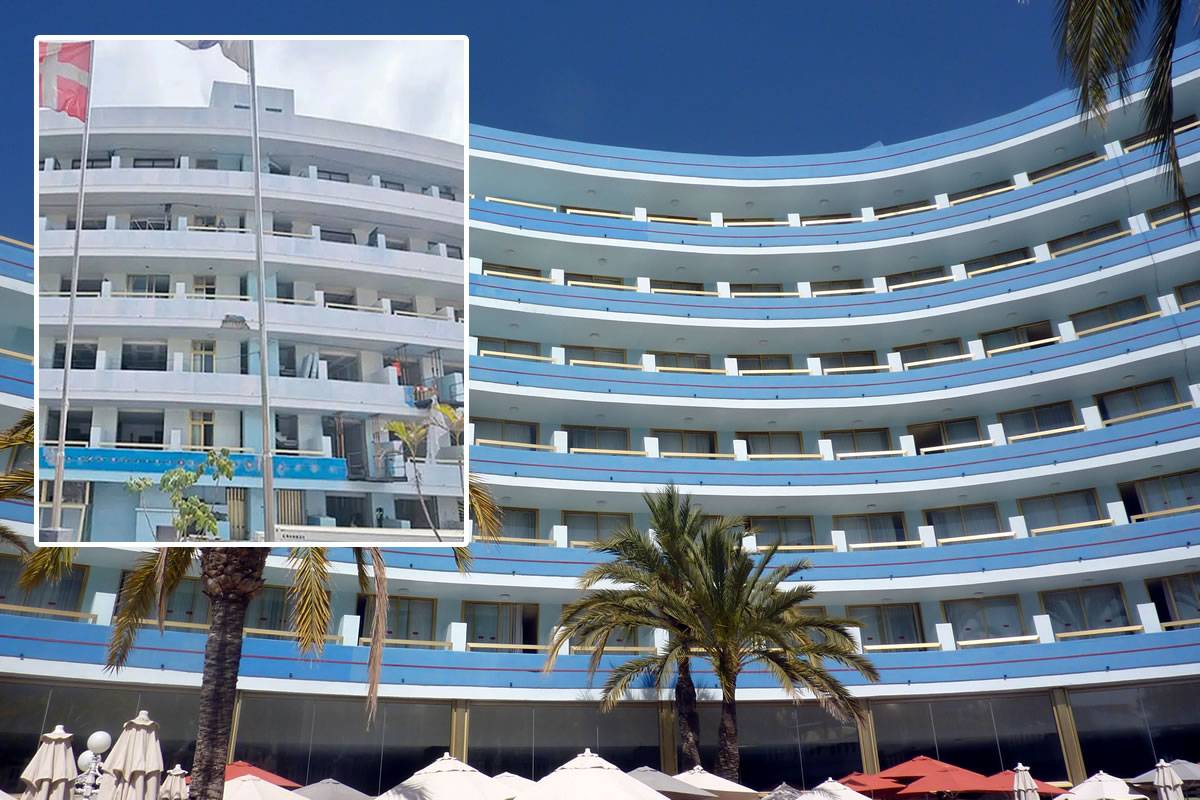
This juxtaposition of the geological mass and the lightness of the recreational facilities creates an immediate visual tension. A straight teak dock abuts a wall of rough limestone. A shade sail with a strict geometric design is stretched beneath centuries-old pine trees twisted by thermal winds. The architecture of these spaces does not seek to blend into the landscape; rather, it politely stands in contrast to it, asserting the dominance of comfort over untamed nature.
The Cult of Controlled Vegetation
The sensory experience is based on a rigorous botanical design. The head gardener holds a position whose importance rivals that of the management. The parks surrounding the buildings blend native flora with species imported in the last century for their spectacular appearance. Prickly agaves, exuberant bougainvilleas, and dark cypresses form a dense protective barrier, shielding the grounds from outside view and the bustle of the coastal roads.
Maintaining this vegetation requires a workforce that works largely at night. The gravel on the paths is raked before dawn. Massive amounts of water are used to counteract the drought and maintain a vividly green lawn that defies the harsh climate of the Mediterranean basin. As soon as night falls, the heady scent of night-blooming jasmine and orange trees replaces the lingering smell of sunscreen, transforming the entire atmosphere of the estate just as guests return to their rooms.
From Opulence to Simplicity at the Table
The dining room has evolved in tandem with the facades. For decades, menus on the coast were heavily modeled after the standards of Northern European capitals. Kitchen staff toiled away preparing butter sauces, elaborate poultry dishes, and aspics in sweltering heat. The dishes paid no heed to their immediate surroundings, prioritizing the display of imported opulence.

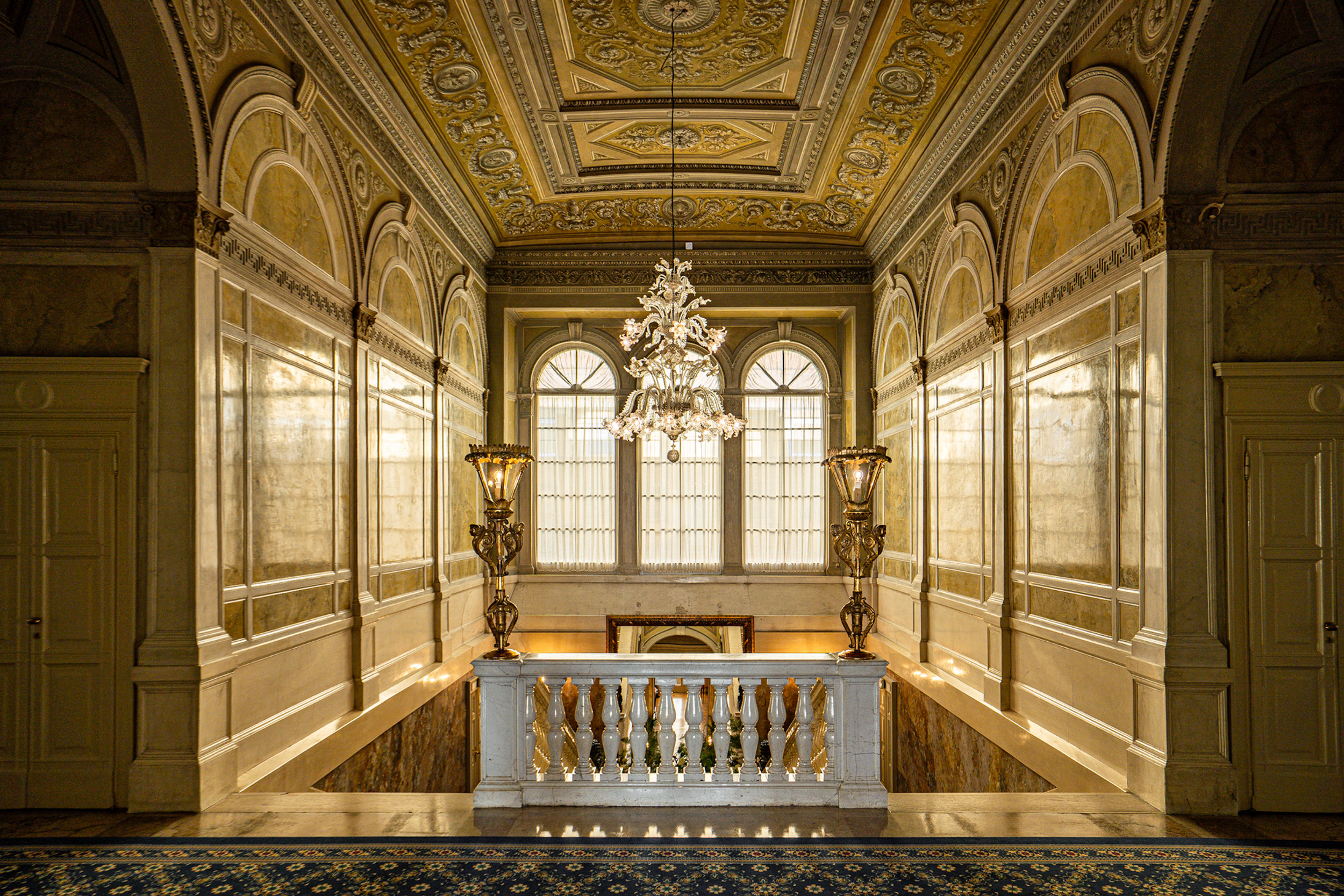
Luxury hospitality has completely reversed this approach. Distinction now lies in the absolute simplicity of local produce. Kitchens highlight a tomato grown on arid land, bursting with sugar, simply seasoned with a drizzle of olive oil from the estate. Rockfish caught that very night replaces products imported from far away. The challenge is no longer to mask the raw ingredients with showy techniques, but to justify every addition through the rarity of the raw product and the pinpoint precision of its cooking. Stiffly starched tablecloths remain de rigueur, but the service has become more relaxed. The codes of haute cuisine now frame a cuisine of apparent rusticity, elevated to the status of the ultimate privilege.
A Closed-Door Setting Under Close Surveillance
This grandiose setting serves as the backdrop for a ruthless social dynamic. Guests do not stay in these rooms solely for the quality of the mattress or direct access to the sea. The lobby, the pool, and the restaurant function as an open-air theater. Beneath the calculated casualness of crumpled linen shirts and leather sandals, mutual observation dictates behavior. Behind the tinted lenses of sunglasses, guests assess the fluidity of a gait, the precise level of familiarity to maintain with the staff, and the absence of flashy logos on luggage.
The bartender serves as the silent archivist of these summer dynasties. He has memorized the habits of the loyal clientele over several decades and, with a mere blink of an eye, gauges the arrival of new fortunes. The walls absorb all financial backgrounds but immediately impose iron discipline. A voice that’s too loud, excessive laughter, or poorly concealed impatience clash with the sound-absorbing acoustics of the lounges and the icy courtesy of a maître d’. The establishment filters out such behaviors by slowing down the pace.
The Sale of Time Suspended
Beyond service and location, seaside hotels sell a far more radical promise: the freezing of time. Stepping through the entrance gates is like temporarily halting the march of decline. Constant maintenance requires that the paint on the balustrades be touched up at the slightest sign of chipping. The brass never oxidizes due to salt. The lounge chairs are realigned to the nearest centimeter as soon as someone gets up from them. This obsessive attention to detail defies the very idea of things wearing out.
Twilight fully reveals this machinery. The low-angled light erases the harsh contrasts of midday. The wind suddenly dies down, smoothing the surface of the bay until it takes on the texture of polished steel. On the coffee table of a suite, a hand sets down a glass; the ice cubes clink briefly in the restored silence. The gaze sweeps across the horizon, where the sea and sky dissolve into the same shade of deep blue. The day fades away without drama, identical to the one before, exactly the same as the one that will begin tomorrow morning.