Make Texture a preferred source on Google to support us
Add Texture to GoogleThe “Rising Star” award comes down to one name: Colleen Allen. The “Lifetime Achievement” award, however, carries much more weight. At the CFDA Fashion Awards, the honor bestowed upon the young designer breaks new ground in a list of winners where many designers are already well-acquainted with the runway. The question isn’t about questioning their talent. It’s about what place American fashion reserves for those who haven’t yet established themselves. Gathered at the American Museum of Natural History in New York for this ceremony presented by Amazon Fashion, the industry largely reaffirmed its loyalties. With, here and there, a few reasons to look elsewhere.
The next generation isn’t defined by a single category
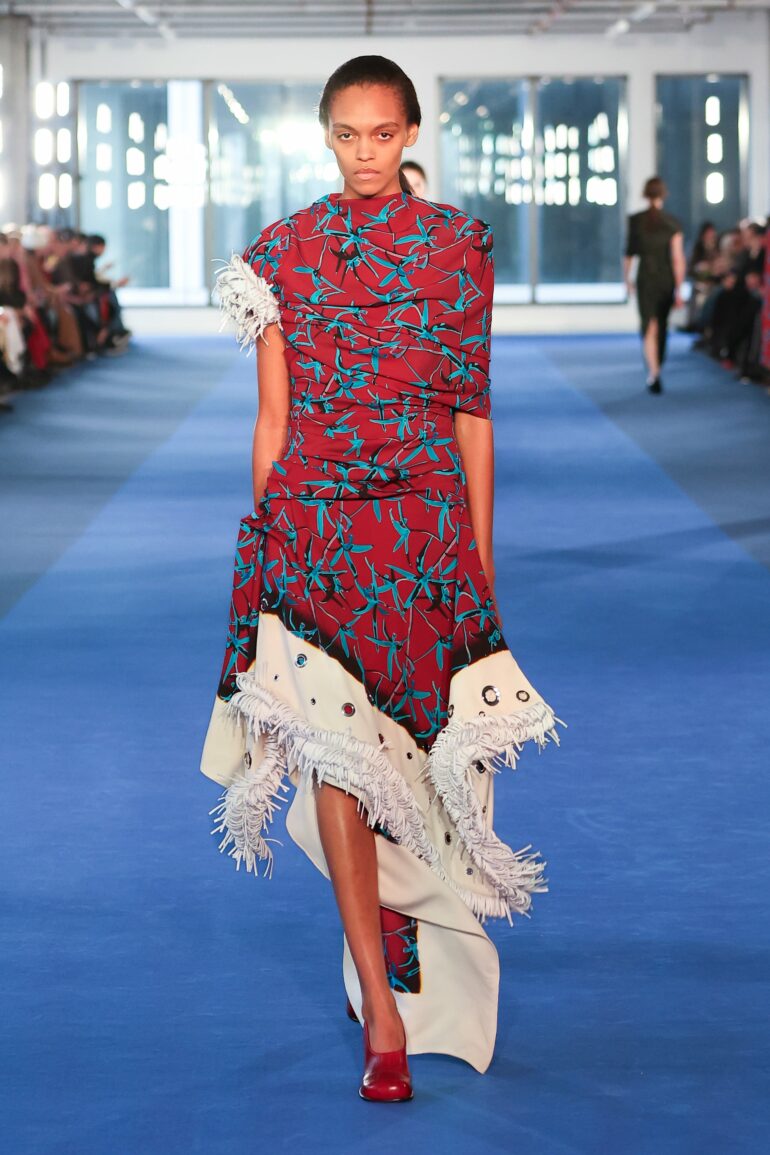
Colleen Allen won the Google American Emerging Designer of the Year Award—an award specifically designed to bring a new name to the forefront. But an industry doesn’t renew its perspective simply by reserving a trophy for newcomers. The real test comes next: who breaks into the major categories, who returns to them, and how often do spots open up? Viewed from this angle, the list of winners tells a less definitive story than it seems, though it doesn’t dispel all the questions.
Rachel Scott offers the most interesting take on this. The founder of Diotima, who is also creative director at Proenza Schouler, has been named American Womenswear Designer of the Year. She had already received this honor in 2024, after also winning the Emerging Designer Award. Her track record with awards thus demonstrates that a path exists between early promise and established recognition. However, it is essential that this path not, in turn, become a circle reserved for a select few.
Her dual role lends particular significance to this victory. On one hand, there is Diotima, the brand she founded; on the other, Proenza Schouler, where she serves as creative director. Rachel Scott thus holds two distinct positions in the American fashion landscape. Awarding her again can be seen as the confirmation of a trajectory, rather than a mere reflex to maintain the status quo. Not all double wins tell the same story.
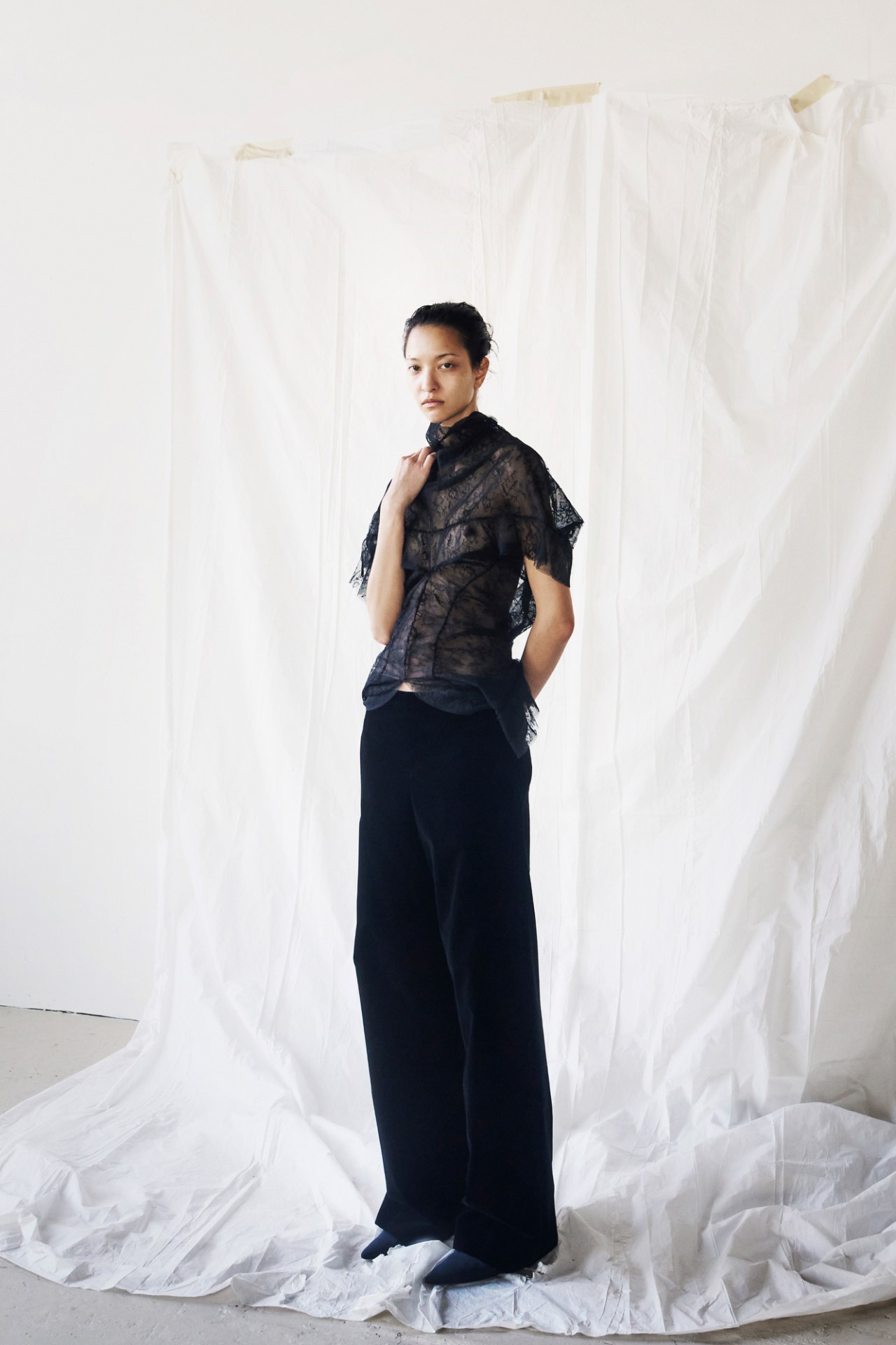
The accessories award adds another dimension. It goes to Ana Khouri, a sculptor and fine jewelry designer born in Brazil and based in New York. This choice highlights a practice that straddles the line between jewelry and sculpture. It also serves as a reminder that American creativity is not defined solely by place of birth: it is shaped by journeys from elsewhere that find their anchor in New York.
Ralph Lauren, or the Weight of Certainties
Compared to these career paths, Ralph Lauren’s story stands on a different scale. His latest title as American Menswear Designer of the Year is his third, following those in 1996 and 2007. The previous year, he had won the women’s fashion award for the second time, having first received it in 1995. In total, the designer has accumulated more than ten CFDA Awards. This is no longer just a personal record: it is a recurring presence in the way the industry celebrates its own excellence.
His influence, which extends far beyond the United States, makes the distinction perfectly understandable. That is precisely what makes the debate a delicate one. Should an award recognize the enduring power of a signature style or shift the focus toward a less familiar vision? The two goals are not incompatible. Yet, as we keep seeing the same names, the celebration of the present eventually takes on the form of a tribute to a legacy.
The phenomenon is not limited to Ralph Lauren. The previous year, Thom Browne was honored for men’s wear and the Olsen sisters for accessories from The Row; they had already been recognized three times in their respective categories. None of these choices is absurd when taken in isolation. It is their accumulation that reveals a system of preference. Renewal is measured less by the occasional appearance of a new face than by the ability to give that face a lasting place.
An industry that honors its entire ecosystem
Honorary awards further broaden the picture. Gap and Tory Burch are among the names recognized, alongside Linda Fargo of Bergdorf Goodman, the duo Inez van Lamsweerde and Vinoodh Matadin, Eva Chen of Meta, and Peter Marino. This list goes beyond the collection itself. It brings into the ceremony those who contribute to fashion’s visibility, its circulation, and its ecosystem.

This breadth makes sense: a garment does not exist independently of the images, spaces, and channels that bring it to the public. But it also reinforces the impression of an evening dedicated to recognizing a world that is already established. Between the design awards and the tributes, the ceremony dispenses as much a sense of belonging as it does signals for the future. The distinction matters: celebrating a profession and revealing its next direction are two different things.
The Sparkle from Saint Laurent
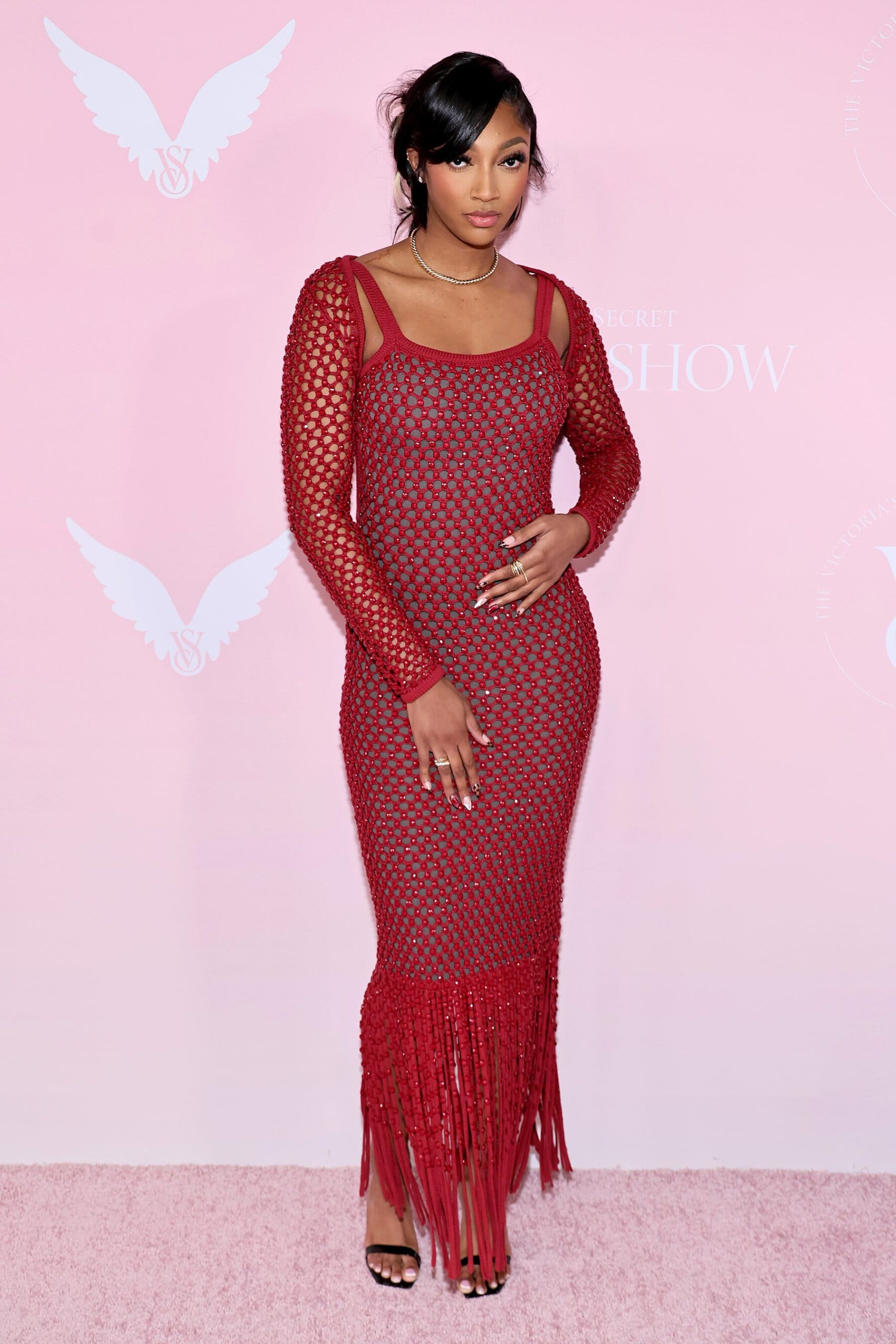
On the red carpet, Anthony Vaccarello provided the evening’s most striking image. The Belgian designer was there to receive the International Designer of the Year Award, the winner of which had been announced in advance. At his side, Hailey Bieber, Zoë Kravitz, Anja Rubik, and Rosé wore gold dresses from his latest collection for Saint Laurent. Four silhouettes, one color, a signature style immediately on display: the presentation gave the award a particularly striking visual impact.
This moment speaks to the disconnect between an awards ceremony and its power to captivate. The surprise did not come from the announcement of the award—which was already known—but from its embodiment. Whereas American awards tend to focus on past victories, Vaccarello directed attention toward the garments and the women wearing them. Fashion returned to its most direct form of impact: creating an image that captures the eye without requiring a trip to the archives.
It would be an overstatement to conclude that American design needs a Belgian guest to exist. The scene nevertheless highlights a challenge that awards alone cannot resolve: the ability to spark interest that extends beyond one’s own circle and borders. Institutional recognition validates a body of work. It does not guarantee that an international audience will embrace it.
In New York, the comeback isn’t yet a revival
New York Fashion Week in September had already raised this question. The return of major participants, from Diane von Furstenberg to Tommy Hilfiger, restored the calendar’s prestige. These presences serve as cornerstones. However, they do not address the lack of new names capable of attracting customers beyond the U.S. market. Bringing back well-known names and establishing a new generation require different approaches.
That’s where the next chapter gets interesting. Rachel Scott has climbed several rungs on the ladder of recognition; Ana Khouri brings her sculptor’s eye to the accessories category; Colleen Allen has received the award designed to draw attention to an emerging designer. For Scott, the real challenge begins right after the ceremony: breaking out of the “promising talent” mold without having to wait for familiar names to step out of the spotlight.