Make Texture a preferred source on Google to support us
Add Texture to GoogleAn Oxford shirt collar with subtly frayed tips. A tweed jacket whose puffed elbows betray winters spent in the drafts of a Scottish manor. A gold watch with subtle scratches, passed down from one generation to the next without any particular ceremony. The aesthetic of centuries-old fortunes is rooted in a striking paradox: apparent carelessness. Those who have never had to prove their social standing dress with a nonchalance that flashy, newly acquired wealth often struggles to imitate. This style, long confined to the exclusive circles of the American East Coast, vast British estates, or the European upper middle class, is now resonating in unexpected ways. Far from private clubs and golf courses, the aristocratic style is on full display, dissected, and endlessly replicated on the screens of a generation raised on instant gratification. The phenomenon fascinates with its profound contradictions. How could a wardrobe built on discretion, absolute exclusivity, and a visceral rejection of seasonal trends have turned into a global viral obsession?
The Nobility of Worn Clothing and the Rejection of Immediacy
In the minds of families that have been established for several generations, a new, shiny garment, fresh off the rack, has a fatal flaw: it reveals the immediacy of the commercial transaction. The ultimate in chic, on the other hand, lies in the traces of time. King Charles III embodies this philosophy with rare consistency, never hesitating to have his double-breasted suits—tailored to order by Savile Row tailors—mended, or to wear leather shoes worn down to the laces. The fabric must have a history, attesting to a historical connection and heritage rather than mere recent purchasing power.
This unique relationship with one’s wardrobe is grounded in materials capable of aging with dignity. Heavy flannel, vicuña wool, cordovan leather, and double-ply cashmere are not merely consumer choices. They are tangible bulwarks against planned obsolescence. The colors themselves fall within a muted palette, eschewing saturation and artificial brilliance. Deep navy blue, sandy beige, pine green, and anthracite gray reign supreme. This chromatic restraint ensures a certain anonymity in public spaces while signaling one’s membership among the initiated—those discerning eyes capable of recognizing the straight cut of pleatless pants or the hand-rolled edge of a collar. True richness is expressed in the total invisibility of the effort.
Geography of a Statutory Uniform
The sartorial lexicon of the “silver nobility” has its roots in very specific regions, intimately linked to the leisure activities of an elite freed from the constraints of office work. The grass tennis courts of New England popularized the cotton piqué polo shirt and the V-neck cable-knit sweater. Summer regattas off the coast of Newport, Martha’s Vineyard, or the Isle of Wight have legitimized boat shoes, sailcloth pants, and technical windbreakers with clean, tailored cuts. Across the Atlantic, Scottish hunting estates provided thick tweed, natural rubber boots, and corduroy—originally designed to withstand brambles and autumn drizzle.
Each piece serves a practical purpose before making a stylistic statement. The hacking jacket, with its pronounced back vents, allows for ease of movement while riding. The button-down collar of the Oxford shirt, popularized by British polo players, prevents the fabric from whipping against the face at a full gallop. The adaptation of these utilitarian outfits for urban life forged the preppy look as early as the 1950s on the selective campuses of the American Ivy League. Iconic figures such as John F. Kennedy cemented this deceptively casual look, trading the formal stiffness of their fathers’ suits for a sporty elegance—one that was nonetheless subject to ruthless social codes.
The Institutionalization of a Fantasy
It is impossible to analyze this aesthetic without mentioning the fundamental role played by the fashion industry in its dissemination. Originally, these garments were passed down or acquired from discreet suppliers, who often lacked a broader vision. It was Ralph Lauren, in the 1970s, who succeeded in bringing these disparate elements together to create a coherent and desirable visual narrative. The American designer didn’t just sell striped ties or shirts; he marketed the entire myth of Anglo-Saxon aristocracy, packaging the illusion of a life spent between an ivy-covered manor and a private beach in the Hamptons.
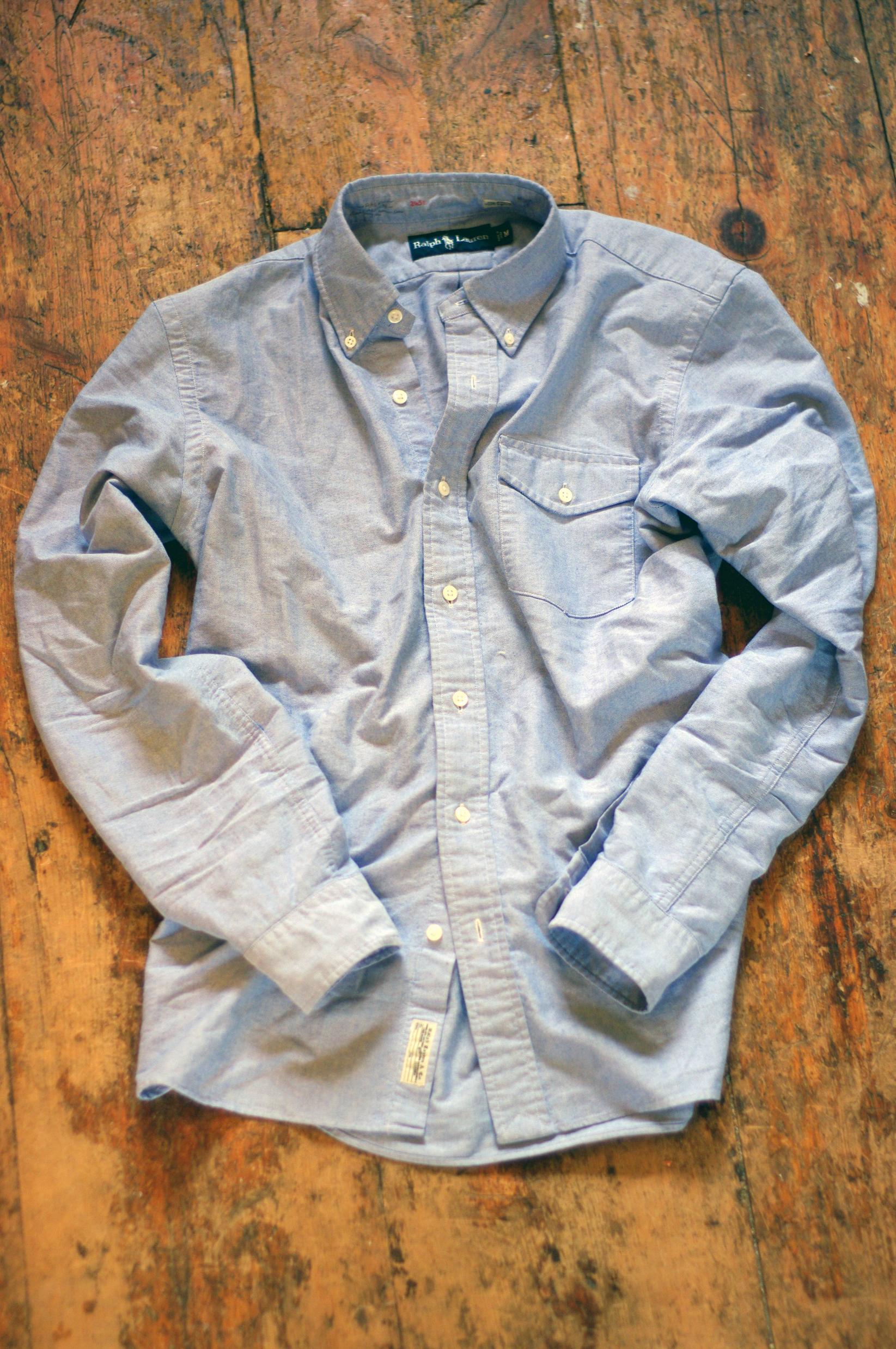
By meticulously recreating this wardrobe, he enabled an emerging middle class to instantly acquire a look that previously required decades of social establishment to master. The polo player-inspired brand’s stroke of genius was to democratize the symbol while preserving its aura of exclusivity, transforming an elitist lifestyle into a global standard of classic elegance.

The Silence of Logos and the Rise of Discreet Luxury
In the world of traditional high net worth individuals, flaunting a brand is considered an unforgivable lapse in taste. The logo, invented to ostentatiously signal a piece’s monetary value, appeals to those who feel the need for social identification. Old money, by definition, has nothing to prove. Its adherents turn to suppliers sometimes unknown to the general public—historic houses that prioritize bespoke service, fine craftsmanship, and the absolute anonymity of their creations.
Exquisite Italian manufacturers such as Loro Piana and Brunello Cucinelli reign supreme in this art of quiet luxury, a concept recently coined by the specialized press as “quiet luxury.” Their vicuña knitwear and double-faced cashmere coats command astronomical prices without displaying a single metal monogram. Social status is no longer displayed through flashy logos, but through the unparalleled softness of a wool fabric or the surgical precision of a sleeve seam. It is the absolute triumph of exclusivity. Only a connoisseur with a perfectly trained eye will be able to identify the garment’s origin and value. This dynamic of exclusivity transforms the social sphere into a silent treasure hunt, where furtive glances are enough to confirm membership in the same clan.
From Material Heritage to the Digital Mood Board
The irony of our times is that this wardrobe—intimately rooted in restraint and a supreme disdain for fleeting trends—has become one of social media’s most vocal obsessions. The hyper-connected youth have suddenly embraced this mythology on video platforms. Billions of views are piling up around keywords that dissect Princess Diana’s casual outfits or the winter looks at the ski resorts of Gstaad and St. Moritz. This fascination reflects less an interest in the history of fashion than a frantic search for visual stability in the face of the toxic frenzy of fast fashion and an anxiety-inducing economic climate. This inherited aesthetic acts as a reassuring antidote, a fantasy of order and material permanence.
Modern television culture has massively accelerated this popularization. Recent series centered on power struggles within financial dynasties have not only captivated audiences with the cruelty of their dialogue; they have also served as a clinical showcase for the elegance of the ultra-rich. Through the screen, the public has been able to scrutinize the rigorous uniform of those who orchestrate the global economy from hushed boardrooms—from baseball caps devoid of any emblem to dark suits tailored to the millimeter.
Yet this mass appropriation focuses exclusively on the surface of things, often overlooking the original substance. Copying an aristocratic silhouette by hastily replicating its codes through low-cost, globalized production lines strips the concept of its meaning. Chinos, buckled loafers, and trench coats lose their patina and legitimacy, transforming into yet another fleeting disguise. The uniqueness of this timeless style will never lie in the artificial layering of a sweater draped over the shoulders. It lies elsewhere—in the psychological comfort of a garment worn a thousand times, in the nonchalance of an instinctive gesture, and in the intimate certainty that clothing will always remain a secondary accessory compared to the natural poise of the person wearing it.