
Make Texture a preferred source on Google to support us
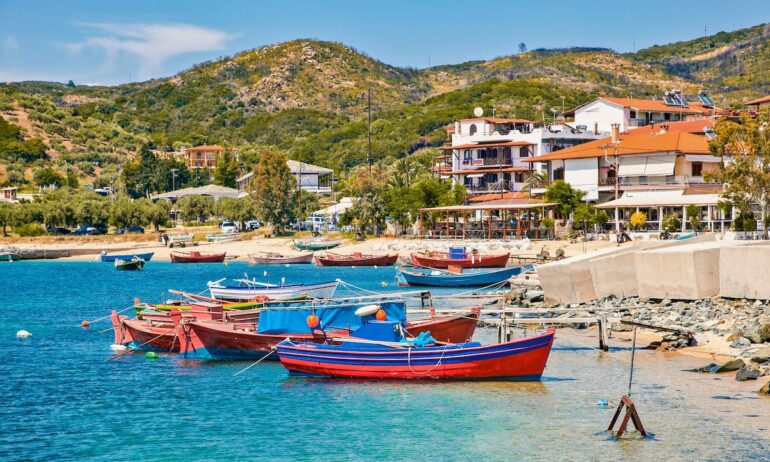
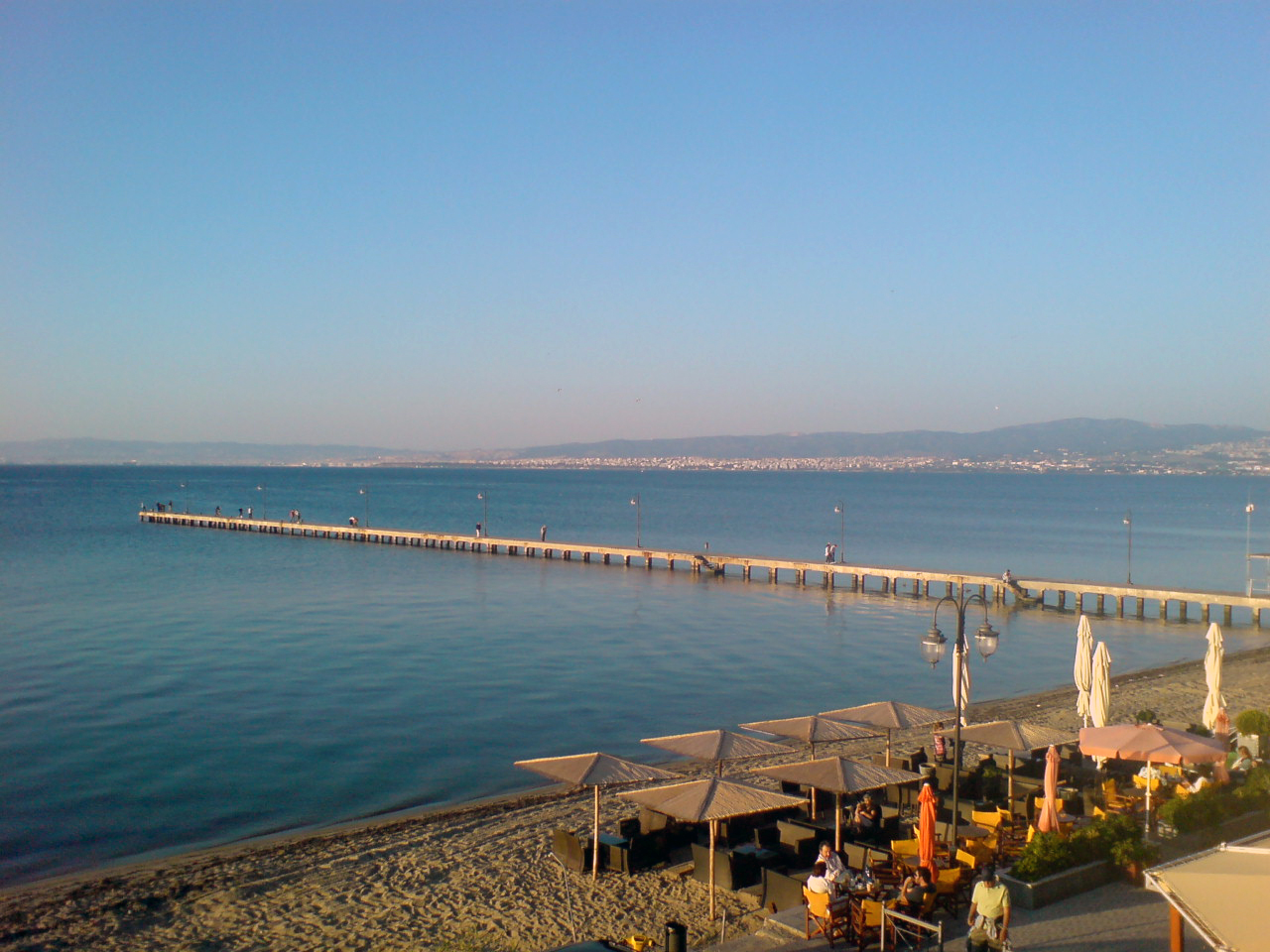
Add Texture to GoogleThe Thermaic Gulf sets its own pace, dictated by the sea winds and a light that catches the urban dust. Far from the island frenzy that takes hold of the Aegean Sea as early as the first days of June, the northern tip of Greece cultivates a denser, almost continental atmosphere. Here, the water is not merely a seaside backdrop: it is a trade route, a geographical scar through which history has surged. Long relegated to the background of classic tourist itineraries—dominated by Athens’ city center and the minimalist aesthetic of the Cyclades— the capital of Greek Macedonia now captures the attention of a niche group of travelers weary of the standardization of summer luxury. Thessaloniki does not seek to charm with immaculate whiteness. Its charm is layered, urban, forged by the friction between the Roman, Byzantine, and Ottoman empires and a modernity that can be brutal at times.
The first encounter with this northern metropolis is disorienting. The wide avenues laid out in the early twentieth century intersect with narrow alleys where Byzantine churches, sunk below street level, still stand. This apparent chaos masks a deeply cosmopolitan logic. The city once nicknamed the “Jerusalem of the Balkans” has weathered waves of migration, devastating fires, and earthquakes to constantly reinvent itself, transforming its complex heritage into a creative breeding ground free from any paralyzing nostalgia.
An Architecture of Collision
Thessaloniki’s character is the result of a sudden rupture. The fire of 1917 consumed the historic center, prompting the government of the time to commission French architect Ernest Hébrard to redesign the urban fabric. The monumental axis of Aristotle Square, with its arcaded facades facing the sea, bears the hallmark of this ambitious urban plan. But the city refused to be confined by this rational geometry. Over the decades, demographic pressures have blanketed the hills with functional concrete blocks from the 1960s, creating a rugged topography where different eras collide.
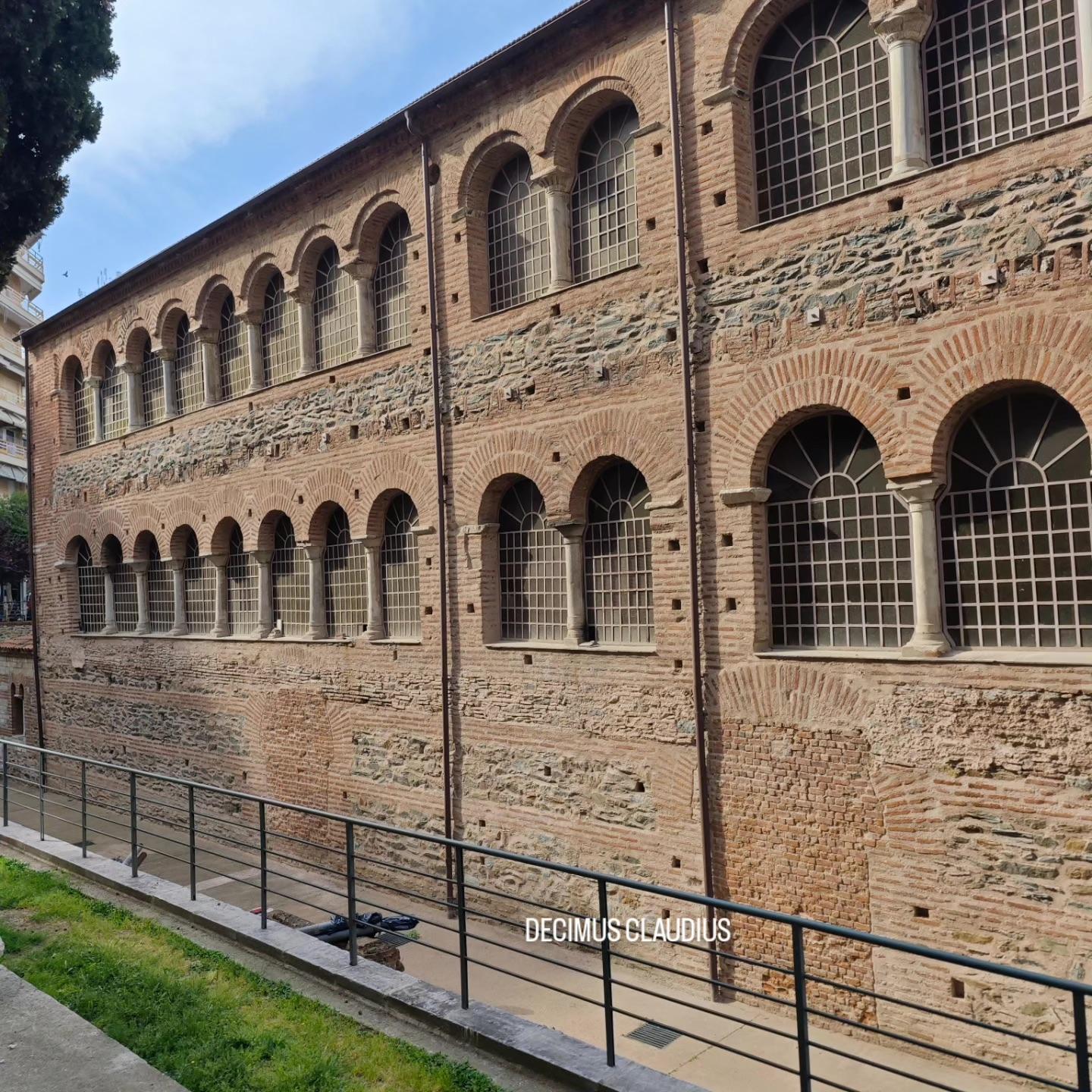
Walking along Egnatia Street, the ancient Roman road that connected Dyrrachium to Byzantium, passersby literally stumble upon the ruins of Emperor Galerius’s palace. A few meters further on, the imposing silhouette of the Rotunda bears witness to this historical fluidity: a Roman mausoleum converted into a Christian church, then into a mosque under the Ottoman Empire, it retains the physical traces of each occupation. To find a semblance of pre-fire continuity, one must climb the steep alleys of Ano Poli, the upper town. Protected by the ancient Byzantine ramparts, this neighborhood has preserved its corbelled houses, a blend of Balkan and Ottoman architecture. The air is cooler there; the winding dead-end streets discourage car traffic; and the bird’s-eye view over the tangle of rooftops down to the cranes at the commercial port encapsulates the city’s duality all on its own.
The Culinary Laboratory of the Balkans
While the architecture tells the story of history’s ruptures, Thessaloniki’s cuisine celebrates its fusions. Recognized by UNESCO as a City of Gastronomy, the metropolis stands as the culinary heart of the country. The influence of Greek refugees from Asia Minor who arrived in the 1920s, combined with Sephardic and Balkan culinary traditions, has endowed the city with a culinary repertoire found nowhere else in Greece. The liberal use of spices, the smoking of meats, the mastery of phyllo dough, and an obsession with mountain dairy products shape a strong identity, far removed from the olive oil-tomato-feta trio.
The epicenter of this culinary buzz lies beneath the glass roofs of the Modiano Market. Designed in the 1920s by architect Eli Modiano, these market halls have recently undergone a major restoration, shedding their picturesque dilapidation to transform into a high-end space for dining and shopping. Here you’ll find Michelin-starred chefs sourcing truffles from the forests of Grevena or artisanal kashkaval, alongside locals seated at tables snacking on seafood meze as early as late morning. A new generation of chefs has, in fact, embraced this heritage and is shaking it up. Gone are the days of dusty taverns: the city’s contemporary restaurants specialize in fermentation, hyper-local sourcing from the Thermaic Gulf, and the reinterpretation of Pontic recipes with formidable precision.
The Revival of Industrial Brownfields
Along the waterfront, the paradigm shift is most visible. Nea Paralia, the seaside promenade stretching several kilometers south of the White Tower, has undergone an award-winning architectural redesign. Far from being a mere seaside sidewalk, it is a succession of contemporary themed gardens, mineral-themed spaces, and open vistas of the water, punctuated by Zongolopoulos’s sculptural installation *The Umbrellas*, whose steel rods rise toward the sky like antennas capturing the golden light of late afternoon.
Further north, the commercial port has turned its back on the city. Pier A, a row of large red-brick warehouses built in the early twentieth century, has been completely renovated to house the country’s most cutting-edge cultural institutions. It is here that a large part of the MOMus (Metropolitan Organization of Visual Arts Museums of Thessaloniki) collections is on display; the organization owns one of the most significant collections of Russian avant-garde art outside of Russia—the famous Costakis Collection. This decision to house the avant-garde in derelict port areas gives Thessaloniki a raw energy, similar to what one sees in Antwerp or Marseille, firmly anchoring the city within a demanding European cultural network.
Hospitality and Heritage Revival
To keep pace with this shift toward connoisseur tourism, the hotel industry has had to reinvent itself. The trend is no longer toward building massive complexes, but toward the meticulous restoration of historic buildings. The great bourgeois families had left behind sumptuous neoclassical mansions or abandoned Art Deco buildings. These structures are now finding a second life as exclusive retreats, where the spaciousness of the rooms compensates for the limited number of guest rooms.
The spectacular reopening of the legendary Olympos Naoussa restaurant, transformed into a luxury boutique hotel under the name ON Residence, illustrates this approach. Closed in the 1990s, the property underwent years of meticulous restoration work to revive its moldings, ironwork, and Belle Époque aura, while infusing it with a contemporary interior design that avoids the pitfall of theatrical decor. International guests mingle here with an elegant local clientele who come for coffee, thus continuing the tradition of social mixing that has characterized the place for a century.
There’s no room for haste here. The locals embrace the concept of *halara*, a form of conscious letting go that dictates the pace of both business and leisure. The true luxury of Thessaloniki lies in this ability to slow the passage of time without ever slipping into lethargy. Around 7:00 p.m., as the sea breeze sweeps through the straight avenues designed by Hébrard and the terraces along Nikis Avenue fill up, the city reveals its true nature: an electric Balkan crossroads, firmly anchored to its ruins, its gaze invariably turned toward the sea.