Make Texture a preferred source on Google to support us
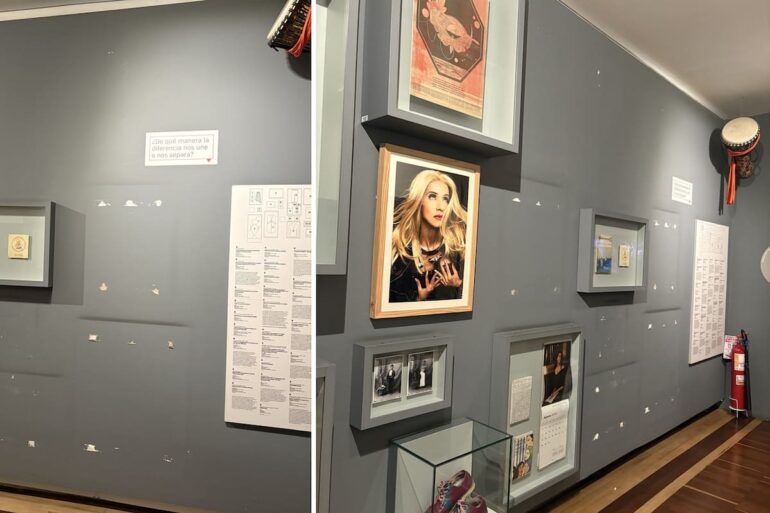
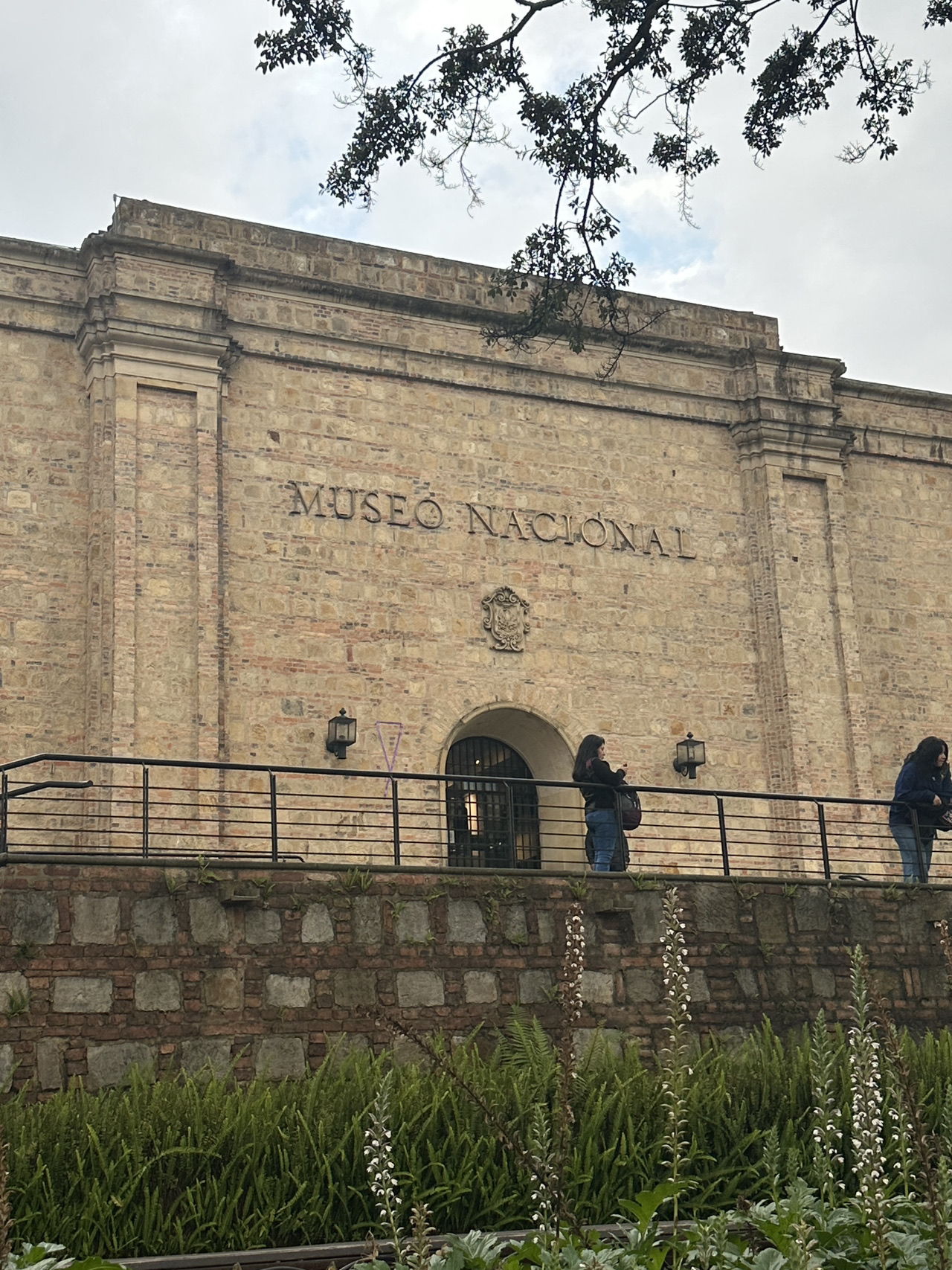
Add Texture to GoogleThe silence that had reigned for two weeks in the galleries of the Museo Nacional de Colombia in Bogotá has given way to the sound of boxes being unpacked and picture rails being readjusted. Between October 29 and 30, 2026, the institution’s technical teams reinstalled 63 exhibition pieces, bringing an end to a major cultural and political crisis. This return, ordered by the courts, follows a coordinated removal operation carried out on October 15 by the executive branch—a decision that had effectively shut down five of the museum’s seventeen permanent galleries, notably the Hacer Sociedad and Memoria y Nación spaces.
Abelardo de la Espriella’s “Cultural Counter-Revolution”
The origins of this sudden removal lie in the highest echelons of the Colombian government. Abelardo de la Espriella, who was sworn in as President of the Republic in August 2026, has placed culture at the center of his political strategy. Proclaiming a radical right-wing agenda, the head of state officially ordered the Ministry of Culture, Arts, and Knowledge to carry out what he calls a “cultural counter-revolution.” His goal: to purge public spaces of what he calls “wokism,” “moral relativism,” and “apology for terrorism.”
This vision was echoed by the Minister of Culture, Paola Holguín, who justified the October 15 intervention in the name of “educational neutrality.” According to her public statements, the revision of the museum’s exhibits was necessary to prevent the museum from serving as an “instrument of political indoctrination” or from disseminating “biased versions of history.” This crackdown explicitly targeted themes related to LGBTQ+ rights, feminism, and the memory of the armed conflict, leading to protest rallies outside the museum on October 17 and 18, bringing together activists, academics, and students.
The Inventory of Missing Works: 63 Objects at the Intersection of Memory and Politics
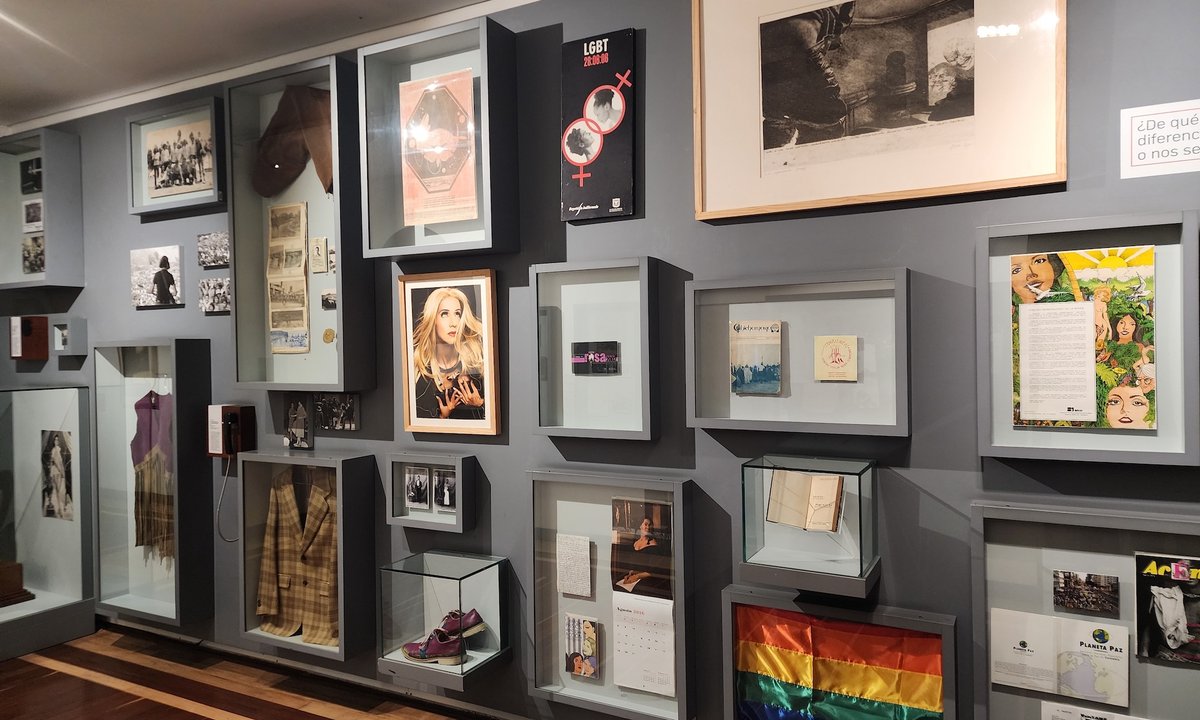
While initial estimates suggested that around thirty works of art had gone missing, the court case ultimately revealed a larger number: 63 items had been removed. This figure breaks down into 22 heritage pieces from the museum’s own collections and 41 additional items, including facsimiles, loaned objects, and documentary materials.
Among the objects related to LGBTQ+ history, the exhibition halls have been reunited with the Pride flag belonging to activist Elizabeth Castillo, as well as historic issues of the magazine *Ventana Gay* dating back to 1980, and works by Manuel Antonio Velandia and León Zuleta. Administrative documents, such as a civil registry record attesting to a transgender person’s change of gender and first name, have also been returned to their places alongside photographs of marches for inclusion by Humberto Rincón Perfetti and the T-shirt from the Grupo de Mamás Lesbianas.

The section dedicated to women’s rights and feminism has seen the return of historic posters and brochures dedicated to the struggles for reproductive rights. At the same time, the section on armed conflict and peace processes—which has been particularly targeted by accusations of indoctrination—has reclaimed highly symbolic artifacts. One such item is the “Balígrafo,” a pen made from a bullet casing that was used during the signing of the 2016 peace agreement. The campaign portraits of Bernardo Jaramillo Ossa and Carlos Pizarro Leongómez, both presidential candidates assassinated in 1990, have also been reinstalled, as have Alfonso Quijano’s engraving *La cosecha de los violentos* and Pedro Alcántara’s drawing *La muerte de un desconocido*.
The Legal Setback from Family Court No. 24
The response was not limited to the streets but also played out in the legal arena. Following a constitutional protection action (acción de tutela) comprising 15 petitions—including one from representative Gabriel Becerra and various citizen groups—Family Court No. 24 in Bogotá issued a definitive ruling. As early as October 19, Judge César Enrique Osorio had issued a preliminary injunction prohibiting any damage to or removal of the artworks and requiring an inventory to be compiled within 24 hours.
The judgment on the merits, handed down on October 28, 2026, was final and binding on the ministry. The court noted the complete absence of any technical or curatorial decision issued by the statutory committees of the Museo Nacional de Colombia prior to the removal of the pieces. The judge thus concluded that there had been a violation of the fundamental right to freedom of expression, culture, and historical memory, also pointing out the lack of public consultation. The injunction required the ministry and the museum to return each object to its exact location within 48 hours, an order that was carried out immediately by the museum staff.
Although the financial cost of these removal and reinstallation operations has not been disclosed—nor has the total market value of the artifacts in question—the stakes of this crisis go far beyond mere accounting. By reinstating these 63 objects, the institution restores a complex narrative of contemporary Colombia, where the executive branch sought to impose a more uniform narrative. The reinstallation of the “Balígrafo” and the copies of *Ventana Gay* thus marks the return of a curatorial approach that, according to the courts, belongs to the nation’s cultural heritage and not to a government’s political agenda.