Make Texture a preferred source on Google to support us
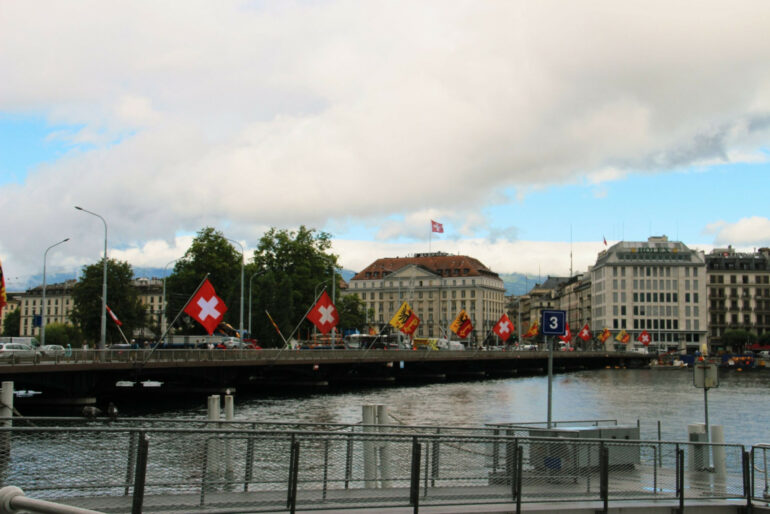
Add Texture to GoogleGeneva never reveals itself right away; it takes time to get to know it. For the traveler stepping off the plane or train with the idealized image of a financial capital brimming with ostentatious luxury, the first impression is often a mystery. On the cobblestone quays that line the southern tip of Lake Geneva, the eye first encounters an almost mineral-like austerity—a row of classic facades, clean and unadorned, where excess seems to have been banned by decree. It is a city that has made introversion a form of supreme elegance, a tenacious legacy of a Calvinist culture that disapproves of ostentation. Far from the frenzy of major European metropolises that put on a show and burn out under the flash of cameras, this corner of Switzerland demands a particular keen eye. Here, exclusivity shuns noise. It is whispered in the dim light of an inner courtyard, experienced in the hushed acoustics of a private lounge, and takes on its full meaning when faced with the ever-shifting expanse of water. Staying here for just a few days requires setting aside the habits of a hurried tourist to take in the pulse of an urban epicenter that, as soon as the dark suits are put away on Friday evening, reveals an unexpected side, suspended between creative effervescence and lakeside escapes.
The Gentle Tyranny of Water and Wind
It is absolutely impossible to grasp the intimate geography of the place without engaging with the lake. It is not merely a postcard-perfect backdrop relegated to the background, but the very matrix around which the entire local psyche organizes itself and adapts. The water acts as a barometer of the city’s mood. Under the whims of the bise—that northern wind that clears the sky with purifying brutality—the water’s surface shifts from a piercing, almost metallic steel blue to an opalescent palette that dissolves the horizon on misty late afternoons. This omnipresent water imposes its own rhythm on residents and passing visitors alike.
The shores, shaped with a symmetry that commands respect, become the stage for a silent choreography at dawn. There, one hears the metallic clatter of the shrouds striking the masts of sailboats tightly moored together, a sharp sound that sets the pace for solitary strollers pacing the piers. The presence of the water acts as a distorting mirror for a city that is all too often reduced, from the outside, to its mere function as a vault or diplomatic hub. The lake invites both intellectual and physical wandering. One need only turn one’s back on the shopping districts to see the urban rigidity dissolve upon contact with the waves. The public bathhouses—structures of metal and concrete built right at the water’s edge—transform off-season into timeless islands. The very notion of social hierarchy, so pervasive in the architecture of the upper neighborhoods, fades here in the face of a simple connection to the raw elements. When the weekend arrives, this immense liquid frontier ceases to be a geographical boundary and becomes a vanishing point, inexorably drawing the gaze toward the distant Alpine peaks and reminding us that nature in its raw state begins exactly where the perfectly straight sidewalks end.
The Aesthetic of Closed Doors
Those who come seeking the opulence of a Dubai or a Miami risk feeling profoundly at a loss here. The local upper class, deeply steeped in a moral heritage where success must be lived without being flaunted, has elevated discretion to the status of an absolute dogma. The places that truly matter make no effort to attract attention from the street. You won’t find flashing neon signs there, nor a flurry of valets gesturing on the sidewalk. Access to the exceptional requires possessing its invisible keys and entry codes.
A restaurant whose culinary reputation spans borders can easily hide behind the most unassuming storefront on a sloping alleyway in the heart of the old town. Culinary excellence and architectural boldness unfold in secluded spaces, hidden from public view. It is precisely in this unapologetic culture of secrecy that the most powerful allure of exploring Geneva lies. Pushing open the heavy solid-wood door of a stately building, stepping through a porch that appears strictly private, often means stepping into an unsuspected world: interior gardens planted with rare species, suspended walkways tracing complex geometric patterns, or workshops of artisans perpetuating centuries-old techniques in monastic silence.
The savvy traveler quickly grasps this local rule: the street is merely a functional facade. Genuine interactions, dinners that stretch late into the night, and major aesthetic revelations invariably take place behind closed doors. Sheltered from the gaze of passersby, the city cultivates a unique atmosphere of exclusive intimacy, protecting its privacy without succumbing to sterile arrogance, far preferring the warmth of a fireplace to the blinding glare of spotlights.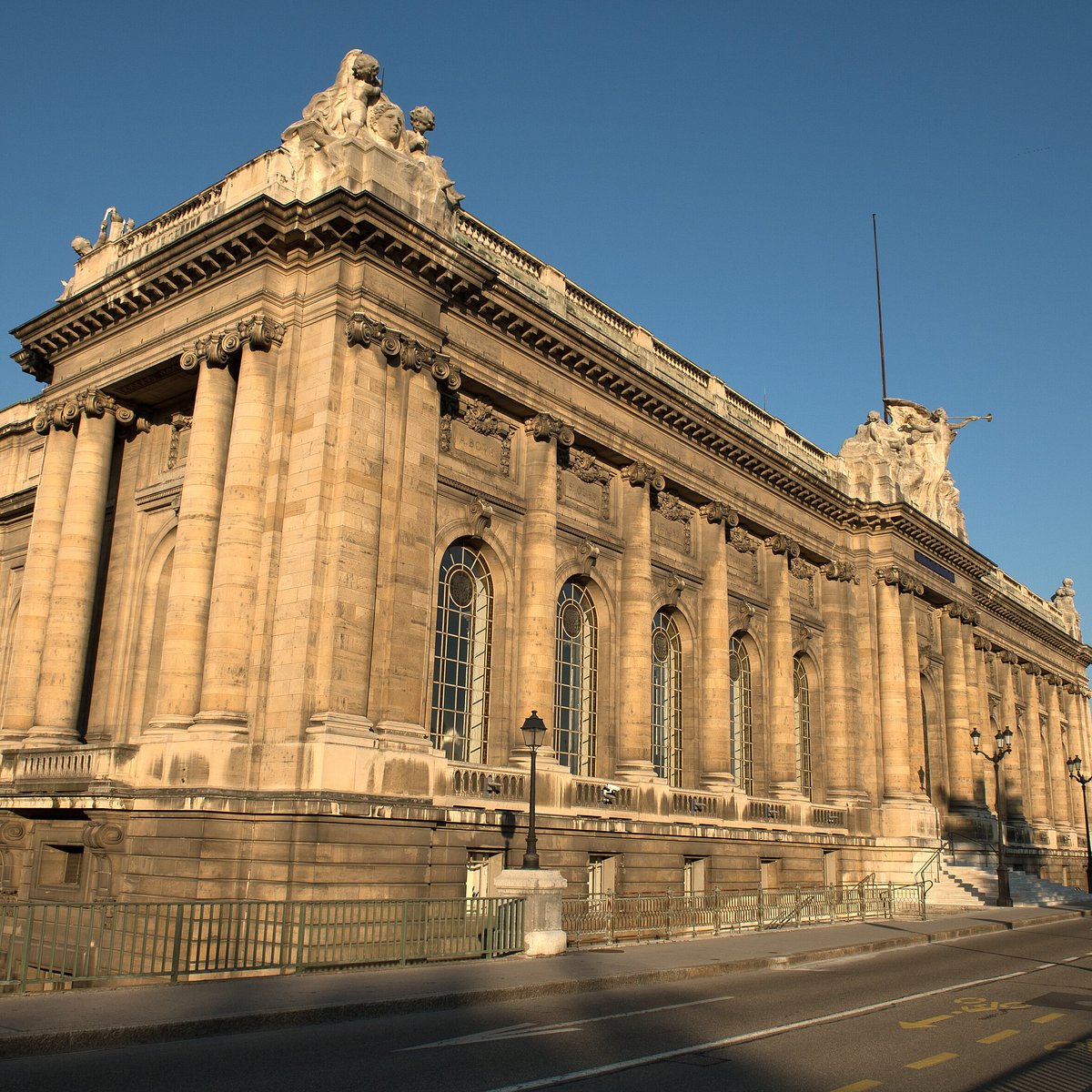
The Dial and the Mechanism: A Creative Tension
While mechanical precision, the meticulous assembly of gears, and absolute mastery of time have historically forged the reputation of the entire region, creative effervescence is now expressed here with a formal freedom that offers a striking contrast to the rigor of watchmaking. Geneva’s relationship with the visual arts is one of paradoxical intensity. For decades, immense family fortunes patiently assembled private collections on a museum scale without ever feeling the need to display them, keeping masterpieces hidden from prying eyes.
Today, this underground energy has transformed, channeling itself into spaces dedicated to the most radical contemporary art. Far from the traditional institutions of the old city, art has taken over former industrial buildings, abandoned factories, and vast converted garages on the outskirts. The raw concrete, exposed piping, and vintage metal structures offer a masterful aesthetic counterpoint to the polished, bourgeois order of the residential neighborhoods. In these vast, renovated spaces, the city breathes differently.
On the weekend, strolling through the gallery circuit takes on the air of a secular pilgrimage, free from the social pressures and speculative frenzy that characterize major international art fairs. Here, curators dare to create complex dialogues between young, emerging artists and leading figures of conceptual art. This approach is supported by gallery owners who deliberately prioritize the long term, intellectual rigor, and the maturation of the works over the pursuit of immediate shock value. The local art scene fully benefits from this unique sociological breeding ground, where a solid financial foundation coexists with a genuine thirst for transgression. Openings there often take place with disconcerting simplicity, transforming into genuine spaces for in-depth debate. Low-profile, erudite collectors, visiting international curators, and enthusiasts of raw aesthetics come together here around complex installations, in an intellectual melting pot that the city’s sleek facade gives no hint of.
The Sunday interlude and the slowing of time
Exploring this urban landscape over a two-day period reveals a fascinating phenomenon: hour by hour, the city sheds its work-oriented shell. As early as Saturday morning, a shift takes place. The neighborhood markets, set up on the cobblestone squares, reveal a suddenly warmer social fabric, deeply rooted in the surrounding countryside. Local produce from the neighboring countryside and neighboring regions of France replaces transnational business matters. This is the perfect moment to physically grasp the contrasts of a metropolis perpetually torn between its status as a global crossroads and its enduring soul as a rural village nestled around a body of water. In cafés with antique wood paneling, the morning crowd settles in for the long haul, plunging the early hours of the weekend into a comfortable, unashamed languor.
But it is on Sundays that a truly unique atmosphere takes hold of the urban fabric. A dense, almost oppressive silence descends upon the streets deserted by commuters and diplomats. An absolute tranquility that could easily be mistaken for coldness or boredom if the visitor didn’t take the time to savor its unique texture. It is the perfect moment—almost suspended in time—to slip into the absolute silence of deserted museums, to look up and examine the bas-reliefs on the patrician facades, or to walk, with no particular destination in mind, along the levees, your face whipped by the crisp air coming from the snow-capped ridges.
A weekend here leaves no noisy memories, no sensational anecdotes, or no photographs saturated with bright colors to show off. Rather, it leaves a slow and lasting impression—that of having briefly touched upon a complex ecosystem that is entirely self-sufficient. As the light fades in the late afternoon, tinging the facades with a coppery glow, and the first streetlights come on, their light reflecting in broken lines on the black surface of the lake, the city silently closes its doors, keeping its mysteries intact for the week ahead.