
Make Texture a preferred source on Google to support us
Add Texture to GoogleFor a long time, the collective imagination has envisioned the future through the lens of seamless hyper-industrialization. Chrome-plated surfaces, indestructible polymers, immaculate glass defying the laws of gravity: architecture and design envisioned a world where human hands would definitively tame nature through chemistry and metallurgy. Today, this vision is undergoing a profound transformation. Under the combined pressure of environmental imperatives and an aesthetic weariness with the uniformity of synthetic materials, designers are making a radical pivot. The focus is no longer on the petrochemical plant, but on the forest, the field, and the biology lab. The materials of tomorrow no longer seek to deny time or their environment; they integrate it, draw sustenance from it, and sometimes even breathe with it.
The Twilight of Extraction
For centuries, the act of building or furnishing was based on a single principle: extraction. Whether it involved carving blocks of Carrara marble to erect monumental facades or felling rare tree species to craft seating, the very notion of material prestige was intimately linked to the scarcity and depletion of a resource. Today, this extractive model is reaching its limits—both physical and moral. The world of collectible design and cutting-edge architecture is rewriting its rules. Nobility no longer lies in the ability to violently wrest a material from the earth’s crust, but in the art of cultivating it.
The idea of cultivating one’s own building materials is disrupting all scales of production. Architects and designers are now borrowing their protocols from biologists. Industrial molds are no longer used to hold molten plastic, but rather organic substrates where living organisms proliferate. Within a matter of days or weeks, these microorganisms weave networks of unprecedented density, binding agricultural waste or natural fibers to form solid, insulating, and entirely biodegradable blocks. This represents a complete reversal of the value chain. Waste becomes the raw material par excellence, and biological growth replaces heavy-duty mechanical machining.
Biomimicry and Living Envelopes
Beyond simply substituting polluting materials with green alternatives, it is the very functionality of the material that is being reinvented. Current research is moving away from the concept of an inert, passive material whose sole purpose is to support a load or provide a visual finish. Architecture draws inspiration from biomimicry to design building envelopes that react directly to external stimuli.
Some experimental facades now incorporate photosynthetic microalgae. These organisms, enclosed within glass panels, filter harsh light, regulate the building’s temperature, and absorb carbon dioxide while producing biomass that can be converted into energy. The wall is no longer viewed as an impermeable barrier isolating a climate-controlled interior from a hostile exterior. It becomes a porous membrane, an active organ that participates in the overall metabolism of the space. Inside, the fungi and their root networks offer spectacular acoustic properties. These innovative panels absorb sound frequencies with an efficiency that surpasses that of traditional polyurethane foams, while radiating a unique tactile warmth.
The Algorithm at the Heart of the Vernacular
This rediscovery of the living and the earthy might seem like a nostalgic return to primitive construction techniques. On the contrary, the ongoing materials revolution draws its strength from a fascinating paradox: the marriage of primal, archaic materials with today’s most sophisticated algorithmic modeling tools. Raw earth, rammed earth, hemp, and plant-based resins are regaining their prestige thanks to 3D printing and computational design.


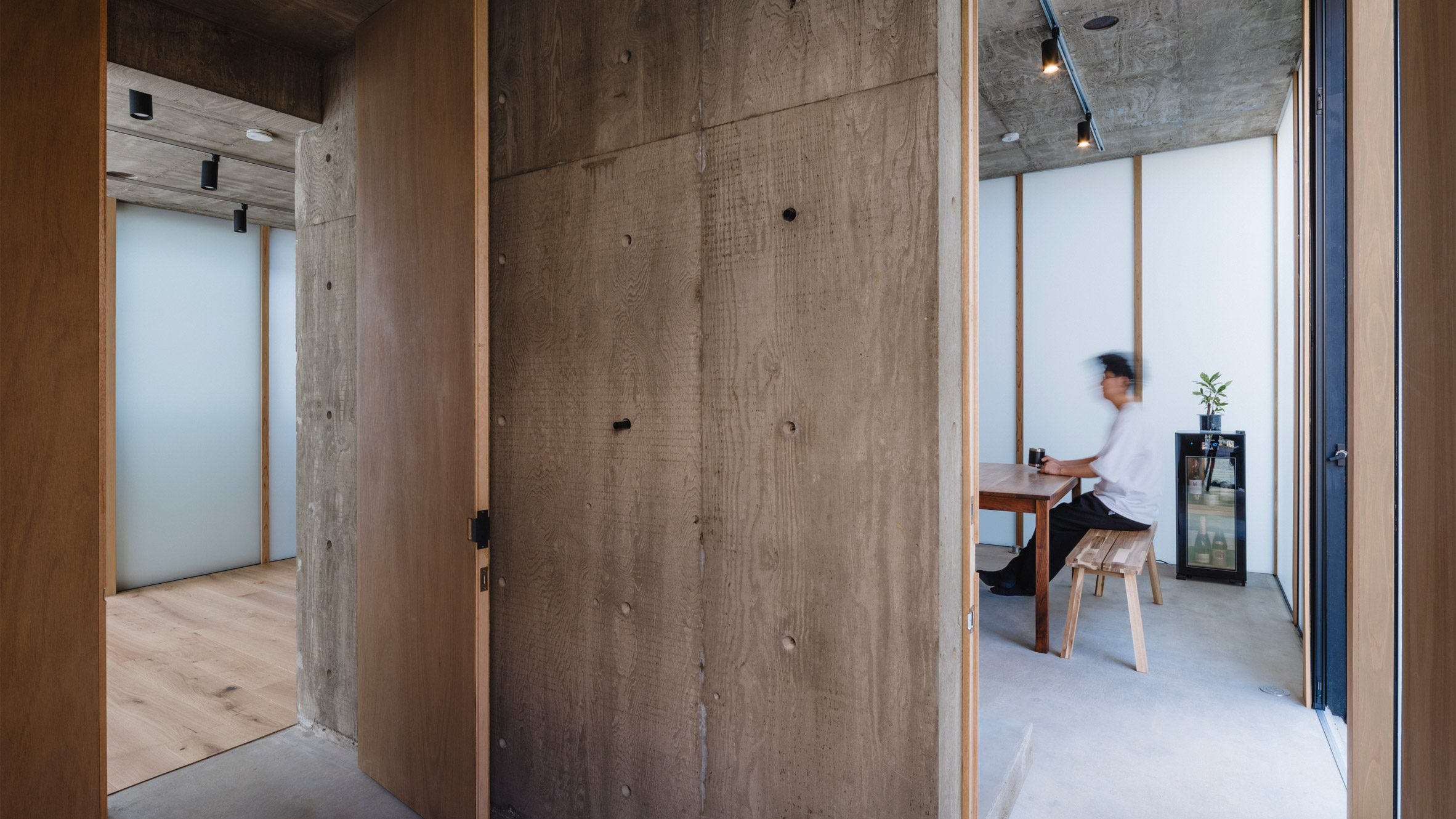
State-of-the-art software now makes it possible to calculate the distribution of forces within a structure with millimeter precision, mimicking the growth of a bone or the veins of a leaf to use only the exact amount of material needed. This unexpected dialogue between computer code and clay gives rise to organic forms of such geometric complexity that a craftsman’s hand would struggle to reproduce them on a large scale. The printer deposits its layers of clay or biopolymer at a hypnotic pace, creating striated textures that catch the light and break definitively with the flatness of machined surfaces. This ancient material is thus propelled into the parametric era, offering designers absolute formal freedom, completely free from the carbon footprint inherent in steel or cement.
Patina as an Expression of Luxury
The emergence of these novel materials is profoundly altering our perception of what is exclusive or desirable. For decades, the world of high-end design demanded absolute constancy. An object or space was expected to remain frozen in its original splendor, defying wear and tear, resisting even the slightest trace of change. The introduction of living and plant-based elements into the formal vocabulary of contemporary design necessitates an acceptance of impermanence.
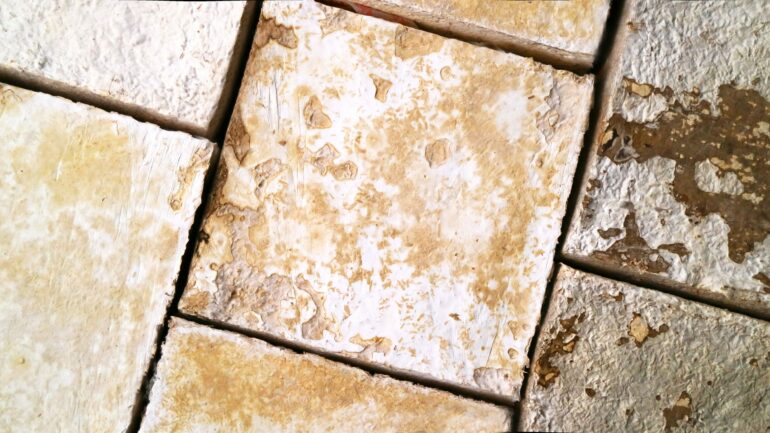
These new organic surfaces are inherently changeable. A seat made from bio-resin or a wall panel made of compressed fibers will evolve under the continuous influence of ultraviolet light, changes in humidity, or even simple human contact. Their colors will develop a patina, and their textures will soften or crack slightly as the seasons change. This passage of time is no longer perceived as a flaw to be hidden, but as an aesthetic signature—evidence of an authentic interaction with the environment. The buyer of such a piece is no longer purchasing a static image, but a tamed organism of which they become a witness.
This acceptance of the material’s unpredictability marks the end of artificial obsolescence in favor of an embraced finitude. The material’s life cycle is conceived from the very first sketch on the drawing board: it is born from the earth, serves its users for decades, and then, once it has disintegrated or been exposed to the elements, returns to enrich the soil without leaving any toxic trace. The interior space—whether a collector’s living room or the lobby of a luxury hotel—is thus understood as an ecosystem in its own right. The eye grows accustomed to new roughnesses, the hand discovers living textures, and the acoustics soften upon contact with partitions that have literally grown into existence. Modernity no longer consists of isolating ourselves from the world behind synthetic shields, but of inviting biology to dictate the design of our future living spaces.