
Make Texture a preferred source on Google to support us
Add Texture to GoogleA clothing size, body measurements, a transaction history: online fashion stores hold much more than just the memory of a shopping cart. It is this discreet data, accumulated behind the screens, that the attack on ASOS has suddenly brought to light. Users of the British retailer’s app received a notification in which hackers claimed to have compromised its data environment. The channel connecting the retailer to its customers thus became a vehicle for a threat. Even before the scope of the potentially stolen information could be determined, the incident had already affected another asset: trust.
Clothing and Its Digital Twin
To understand what’s at stake, we need to step away from the collections for a moment and look at what makes them sell. In the system described, Snowflake is used to store, process, and analyze large volumes of data. This cloud platform hosts information related to transactions and customers, which may include sizes and body measurements. The system also plays a role in sending notifications to smartphones. In other words, the IT back end deals with both what is known about the buyer and how to reach them.
Not all of this data has the same significance. A transaction provides information about a purchase; a body measurement describes a physical characteristic. Their presence in apparel retail tools gives the issue of security a very concrete dimension. Behind the technical term “customer data” sometimes lies this connection to the body—information we entrust to a platform in order to choose a garment. This does not mean that these specific details were stolen from ASOS: the exact nature of the information in question has not been established in the reported details.
This distinction matters. The categories of data that a system may host do not constitute an inventory of a data breach. But they explain why a claim targeting this system deserves more than a purely financial interpretation. For a fashion retailer, protecting access to this information is as much a part of the customer relationship as fulfilling an order. The difference is that this aspect of the service generally remains invisible—until the day it appears on a phone screen.
A Threat Delivered by the App
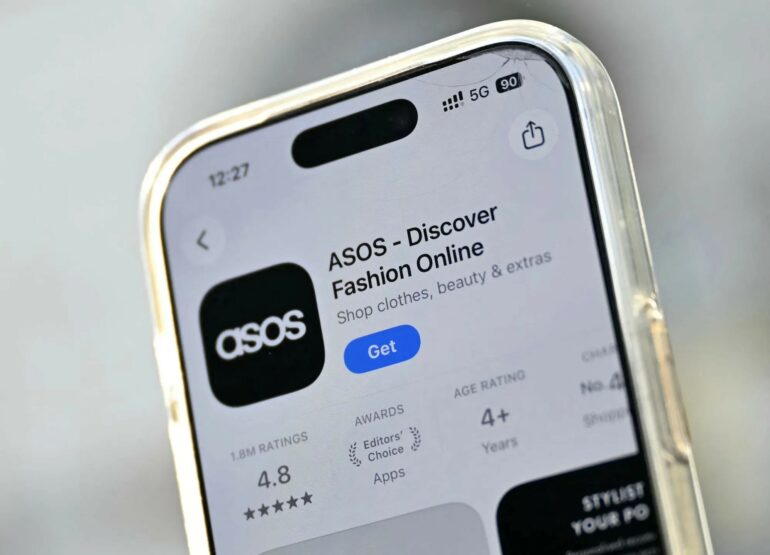
The method used in the ASOS case relies precisely on this reversal. On the morning of the relevant trading session, users received a push notification containing a message intended for the company’s data protection officers and IT teams. The authors claimed to have completely compromised ASOS’s Snowflake instance. They included a link to Telegram and threatened to disclose the stolen information if the company did not contact them.
The displayed recipient was therefore an internal contact, but the intended audience was the app’s user base. This discrepancy gives the threat its particular impact: customers find themselves witnessing a demand directed at the very teams supposed to protect their information. The hackers do not merely announce that they have gained unauthorized access. By sending their demand through this channel, they make the incident visible to users.
However, it is important to distinguish between what was observed and what was claimed. The receipt of the message and its content are reported. Unauthorized access to the environment, as well as the copying of some of the data to an external location, are part of the attackers’ claim. If these actions are confirmed, they constitute a data breach. The phrase “complete compromise” alone is insufficient to measure the volume of data involved or to identify the information that was actually stolen.

British Retailers Under Pressure
ASOS joins a number of British retailers already facing cyberattacks. Co-op and Harrods have also been targeted. The fact that these names are mentioned together highlights the scope of the issue: a retail chain, a luxury department store, and an online fashion retailer can all find themselves exposed to the same set of risks. While their business models differ, none of them can afford to view cybersecurity as a distant concern.
The precedent set by Marks & Spencer gives this threat an operational dimension. The attack suffered the previous year forced the group to suspend online orders for clothing and home goods for several months. It was therefore not merely a matter of conveying troubling news to customers, but of a sales channel becoming unavailable for an extended period.

There is no reason to expect a comparable disruption at ASOS. The Marks & Spencer case, however, sheds light on what investors may fear when a retailer is affected: beyond the data itself, it is the ability to continue selling. In e-commerce, a store relies on systems whose failure can immediately impact business. This precedent helps explain the nervousness surrounding ASOS without prejudging the consequences the brand will actually face.
The Stock Market Punishes Before Knowing the Full Extent
In London, the reaction was severe. ASOS shares closed at 453 pence, down 9.72%, while the FTSE 100 rose 0.6%. This contrast rules out the possibility that this was simply a market-wide decline. During the morning, the stock had even fallen as much as 13%, its sharpest intraday drop since September 2025.
These figures reflect a financial reaction, not the cost of the attack. They do not indicate how many customers may be affected or what technical or commercial consequences are to be expected. They do, however, demonstrate how quickly IT-related uncertainty can weigh on a publicly traded retailer. The market did not wait for a detailed assessment to revise its view of the stock.
Snowflake also felt the impact of the news: its stock fell 1.5% in pre-market trading ahead of Wall Street’s opening. The mention of its name in the hackers’ message thus extended the stock market fallout from the incident to the technology provider. However, this does not necessarily imply a widespread compromise of its services: the claim specifically targeted ASOS’s environment.
Two Now-Distinct Trajectories
During the following trading session, ASOS stock fluctuated between stability and a slight increase of a few tenths of a point. This calmer movement is no more indicative of security issues than the previous drop. The stock price follows its own rhythm; the fact-finding process follows another.
For customers, the questions remain simpler than the jargon of the cloud: what information may have been leaked, and which of it concerns them? The threat of publication lends these questions a particular sense of urgency. The outcome of this case now hinges on the actual scope of the claimed access and the content of any data that may have been copied—far beyond the few lines that appeared in a notification.