
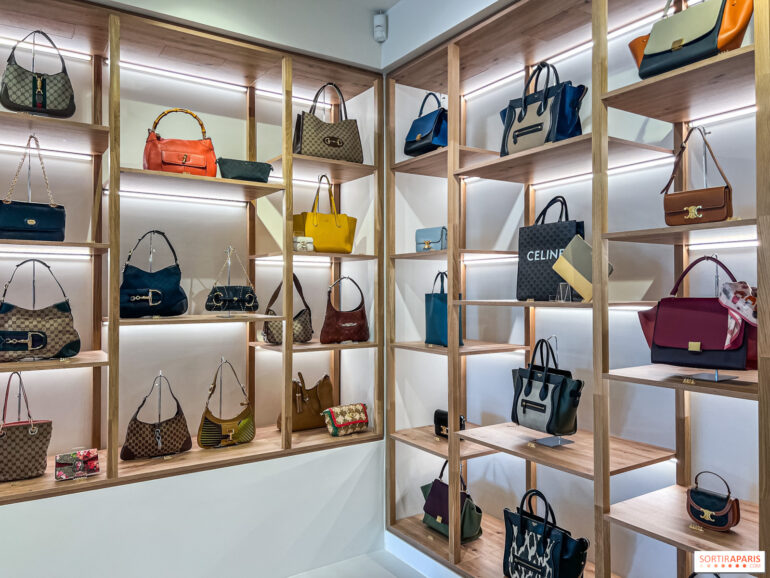
The scene has become a common sight in the quiet aisles of major shopping avenues. A customer looks at a bag or a jacket, examines the craftsmanship, asks a sales associate in white gloves for the price, and then discreetly pulls out their phone. In a matter of seconds, the screen displays a figure that will seal the deal: not their bank balance, but the item’s price on the secondhand market. What was once an impulse purchase, driven by emotion or pure aesthetic desire, has evolved into a meticulous financial calculation. The younger generation of consumers no longer buys just a piece of clothing—they acquire an asset.
This shift in behavior is quietly reshaping the landscape of high-end retail. The notion that the secondhand market is content to scavenge the scraps of the primary market is now obsolete. The balance of power has shifted, placing resale not at the end of a product’s life cycle, but at the very origin of the desire to buy.
The Secondary Market as a Guide to Purchasing
This phenomenon finds its most radical expression among Gen Z and millennials. These shoppers, born with a touchscreen in their hands and a keen awareness of economic volatility, approach luxury with disconcerting pragmatism. For them, the price tag in the store indicates only a starting value. The true metric lies elsewhere. More than 80% of young customers on The RealReal platform systematically check the potential resale value of an item before purchasing it new.
This staggering figure reflects a paradigm shift. The American platform, which specializes in certified luxury consignment, is no longer content to be merely a massive closet clearance sale for insiders. It now operates as a veritable fashion stock index. Its databases dictate trends with mathematical precision, transforming secondhand prices into an indicator of viability for the primary market. If an item maintains its value or promises a return on investment, the purchase is approved. If the item depreciates too quickly, it is left on the rack, relegated to the status of a bad deal.
Financial engineering versus the romance of creation
Rati Levesque, who heads The RealReal, observes this evolution firsthand. Under her leadership, market analysis is taking a turn away from the usual rhetoric about the magic of ateliers and the spirit of creation. The growth of such an ecosystem no longer relies on the poetry inherent in the luxury industry, but on a purely industrial, cold, and formidably efficient execution.
In this profit-driven landscape, certainties are sometimes shattered. The executive notes that speculation is not limited to timeless leather goods or high-end watches. Algorithms and transaction records highlight sudden spikes in value for completely unexpected ready-to-wear items. A capsule collection that went unnoticed, an accessory with a polarizing design, or a limited-edition line can see their value skyrocket just a few months after their release. This volatile and responsive resale market forces historic brands to reevaluate what truly constitutes an investment piece in the eyes of the new generation.

Material: The Ultimate Bulwark Against Automation
Yet this mechanization of purchasing behavior and this blind trust in data come up against an insurmountable physical reality. While trend analysis is driven by lines of code, the guarantee of value rests on a tangible element: the authenticity of the item. This is where automation reveals its limitations.
The proliferation of counterfeits—which have become replicas of surgical precision—renders any attempt to entrust expertise exclusively to machines obsolete. Artificial intelligence, however sophisticated it may be at analyzing the symmetry of a logo or the regularity of a pattern in a photograph, remains blind to the very essence of luxury. It cannot assess the suppleness of aged leather, weigh the exact gram weight of a brass buckle, or detect the specific scent of an adhesive used in European workshops. Human intervention—the expert’s eye and the authenticator’s touch—remain the only reliable safety net. This need for manual validation, piece by piece, highlights the paradox of a hyper-connected sector that still depends entirely on the craftsmanship of inspection.
Toward an Economy of Discernment
This almost pathological need for certainty reveals a deeper consumer psychology. Buyers want proof. They are part of what amounts to an “economy of discernment,” shunning irrational purchases in favor of measured, documented, and verifiable choices. Fashion has always operated in cycles of revival, drawing on past decades to fuel future collections. But the current dynamic goes beyond mere nostalgia. It is rooted in a desire to safeguard one’s wardrobe investment.
Far from heralding the death of traditional retail stores, the obsession with secondhand goods acts as a catalyst. The two worlds operate in symbiosis. The certainty of being able to resell an item at a good price removes the final psychological barriers to purchasing a new product. The secondhand market indirectly fuels sales in the primary market, shaping the very nature of what is produced and sold, and transforming every wardrobe into a portfolio of assets in constant rotation.