
Make Texture a preferred source on Google to support us
Add Texture to GoogleThe pre-owned watch market is undergoing a fascinating transformation. The days when collectors simply hunted for financial bargains in the depths of the internet have given way to a far more strategic approach. Today, acquiring a timepiece is part of a portfolio management strategy, where the wrist becomes the stage for a meticulous ascent. A New York-based company has placed this shift in behavior at the center of its business strategy. Based in Buffalo, Coastal Timepieces exemplifies this rationalization of the desire for fine watches. Far from succumbing to the temptation of accumulation and volume, the company has chosen to drastically narrow its focus. The founding principle is no longer to offer an exhaustive showcase, but to structure a closed ecosystem around the few brands that truly dictate the pace of private transactions on the global market.
This represents a clinical analysis of the habits of the new generation of collectors and investors. As a secondary market matures, dispersion naturally gives way to concentration. It is precisely this analysis that led the American platform to review its inventory and retain only six names from the industry. Six manufacturers that, on their own, command virtually all of the speculative and passionate attention of contemporary connoisseurs, relegating dozens of other brands to a less dynamic niche market.
The Mechanics of the Springboard, or the Art of Moving Upmarket
One of the most revealing dynamics of this sector lies in the system of exchange and trade-ins. The typical collector’s journey is no longer linear. It is now conceived in stages, punctuated by resales and calculated reinvestments. The platform has thus observed a very precise “communicating vessels” phenomenon among its clientele. Initial purchases tend to be models perceived as sturdy entry-level options, which are later sold to finance access to the higher echelons of fine watchmaking.
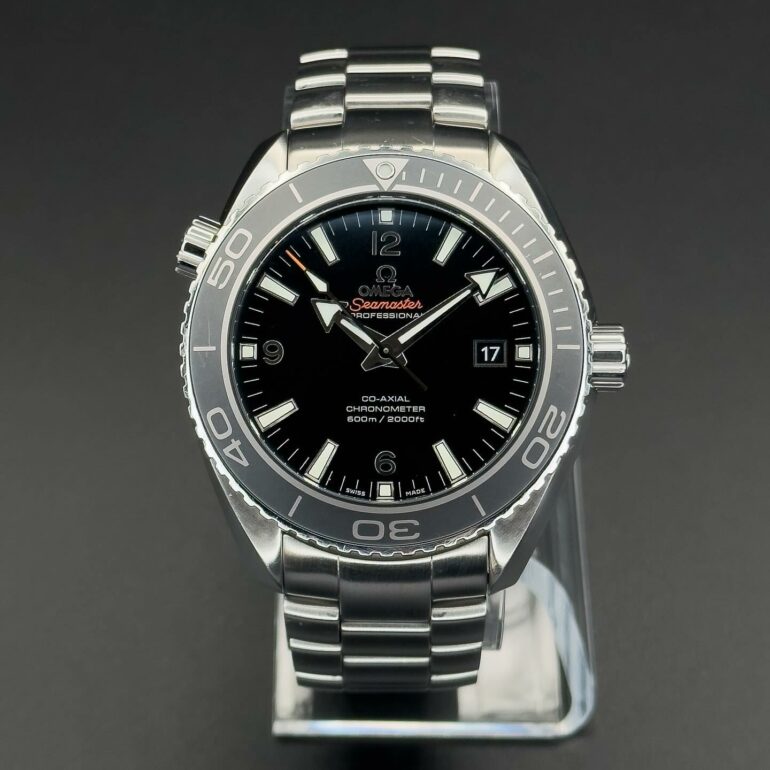
The company’s internal data supports this shift in behavior. At the end of its second fiscal year, the company recorded a significant 20% increase in the number of customers using its services specifically to sell or trade in their watches. The trade-in program is not merely an additional customer service offering: it is the driving force behind the business. In practical terms, a buyer first sets their sights on a Tudor watch or relies on the proven reliability of an Omega. A few seasons later, the value these timepieces have retained enables the customer to take a decisive step forward. The original timepiece is sold to the platform, and its appraised value is immediately deducted from a new purchase. This fluidity of watch capital opens the door to Rolex’s status symbols or to the pinnacle of Swiss watchmaking complications embodied by Patek Philippe.
A Narrow Focus on Watch Enthusiasts’ Desires
The decision to limit the inventory to half a dozen brands stems from a keen understanding of international demand. Each name selected by the Buffalo-based company conveys a distinct narrative, catering to buyer profiles with specific expectations.
Rolex naturally dominates this equation. The Geneva-based manufacturer serves as the reserve currency of the pre-owned market. Its flagship models—namely the Submariner, the Daytona, and the Datejust—transcend their status as mere timekeeping instruments. They have established themselves as safe-haven assets, liquid and recognized on every continent. At the other end of this spectrum lies Patek Philippe. The Geneva-based house represents the ultimate pinnacle, attracting a discerning clientele in search of mechanisms of rare complexity and limited production runs that guarantee strict exclusivity in the market.
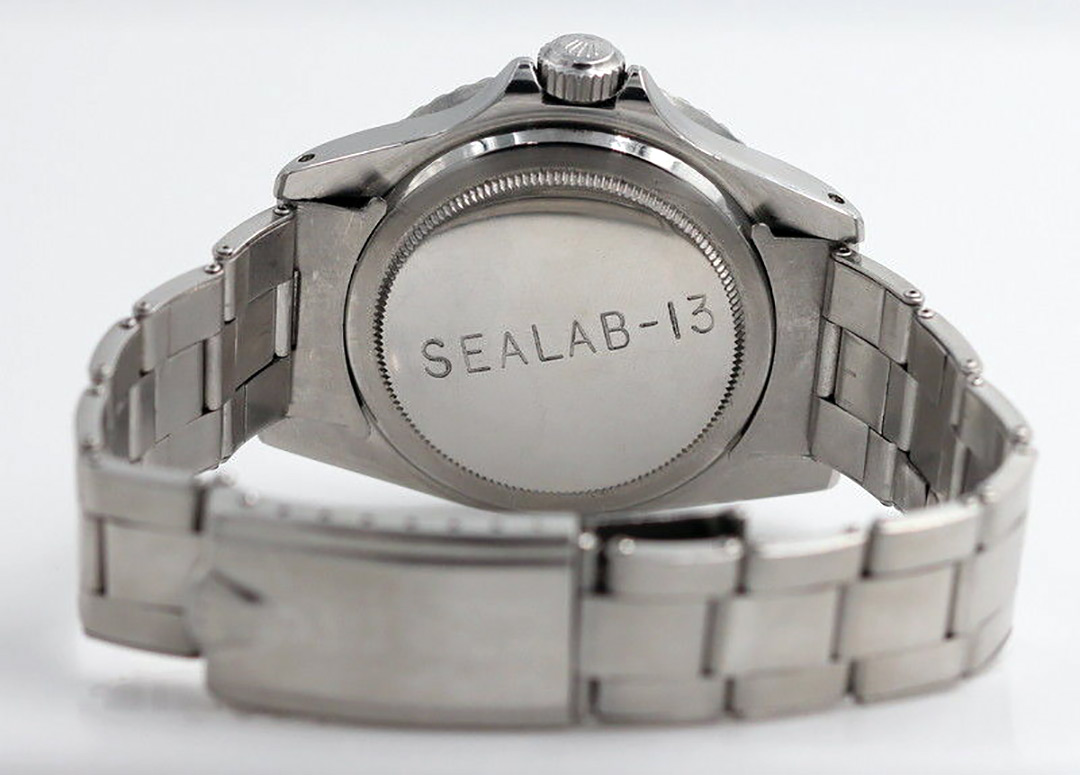
Between these two poles of watch investment, the market is precisely segmented. Omega capitalizes on a dual legacy of prestige, spanning the ocean depths with its professional diving instruments and the vastness of space through its ties to space exploration. Tudor, which for a long time operated in the shadow of its direct family ties to Rolex, is now asserting itself with an independent identity, founded on the design of tool watches of unbeatable robustness.
The collection also makes room for less orthodox designs, moving away from pure Swiss classicism. Panerai attracts enthusiasts of uncompromising Italian design, whose bold aesthetics, minimalist dials, and cushion-shaped cases leave no room for confusion on the wrist. Finally, Cartier softens this highly technical selection with a fundamentally different approach, where the designer’s vision takes precedence over mechanical performance alone. The Parisian house subtly bridges the gap between the traditions of fine jewelry and watchmaking, offering designs of great artistic sensitivity.
Documentation requirements as the cornerstone of remote transactions
Negotiating the sale of such valuable items without the buyer being able to examine them in person first requires an impeccable framework of trust. The secondhand market has long been hampered by the barriers of geographic distance and uncertainty regarding the actual condition of internal and external components.
To win over enthusiasts located thousands of kilometers from New York State, the digital interface must compensate for the lack of an in-store experience. The system implemented by the company requires complete transparency regarding the desired item. Each timepiece presented is accompanied by a comprehensive set of information designed to leave no room for doubt. Buyers evaluate the piece through a virtual, clinical examination that includes extremely detailed photographs, a comprehensive list of technical specifications, and, above all, precise condition reports for each available model.
This strict protocol is designed to reassure a clientele that cannot afford to make a mistake when acquiring a major complication. To maintain an essential human touch in the luxury sector, buyers are assured of being able to interact directly with the company’s teams, allowing them to resolve any remaining questions before finalizing a funds transfer.
Time Zones Overcome by Rarity
This logistical and visual approach has enabled the company to completely transcend the limitations of its North American base. The luxury pre-owned market knows no borders. The flow of watches reflects an increasing internationalization of buyer profiles: while the vast majority of transactions take place within the United States, they extend just as seamlessly to Canada, cross the Atlantic toward Sweden, and even reach the historic heartland of watchmaking in Switzerland.
The fact that collectors based in the heart of Switzerland’s watchmaking valleys turn to an American firm to buy, sell, or trade their pieces underscores the globalization of the market and the volatility of the most sought-after models. The distributor’s geographic origin takes a back seat to the immediate availability of the coveted model and the reliability of the expertise provided. By focusing its scope on a very exclusive group of six manufacturers and facilitating the transition from one brand to another through a proven trade-in system, the market demonstrates its ability to transform mere buyers into true collection managers.