
Make Texture a preferred source on Google to support us
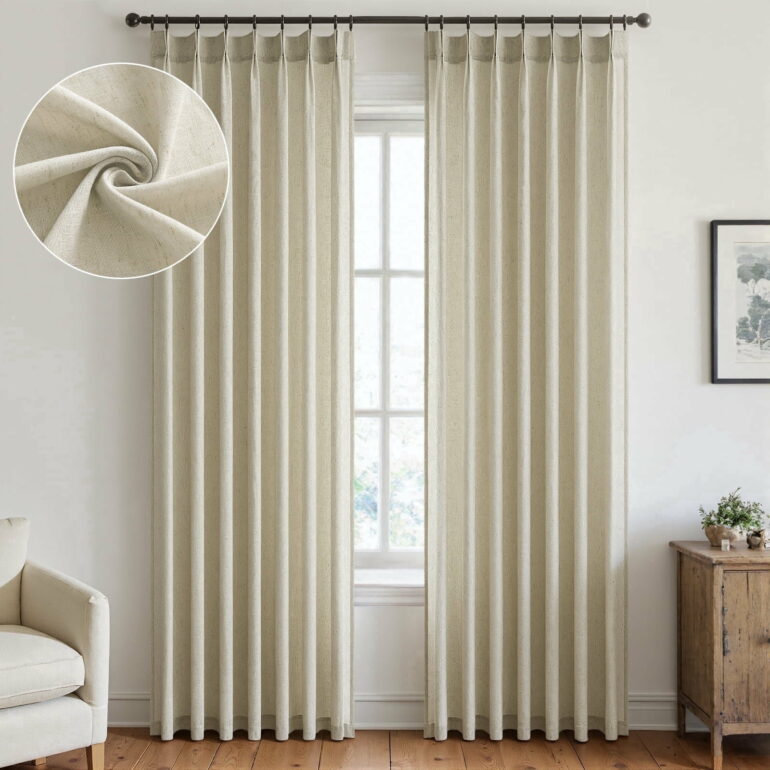
Add Texture to GoogleAt first, the eye glides over the space without encountering any jarring elements. The morning light caresses the porous surface of a long travertine console table before being absorbed into the heavy folds of a raw linen curtain. No logos, no flashy signatures, and no garish colors interrupt the visual flow of the space. This is not monastic austerity, but a deliberate, almost surgical minimalism. Visual silence imposes itself as a matter of course. The era when the domestic interior served as a social showcase—saturated with outward signs of wealth and dizzying accumulations—is beginning a radical decline. A new spatial grammar is taking over, based on a strict aesthetic equation: the deliberate erasure of the object in favor of the material itself.
This shift has a name, borrowed from the lexicon of fashion before infiltrating interior design. The phenomenon of “silent luxury” is redefining the contours of exclusivity. For a long time, the value of an interior design was measured by its immediate recognizability. Visitors were expected to identify a designer piece, recognize the print of a high-end fabric, and gauge the price of an intricate light fixture. This culture of ostentation is now giving way to a quest for interiority. Faced with the hustle and bustle of an outside world perceived as noisy and visually overwhelming, the home retreats to its role as a sanctuary. The challenge is no longer to demonstrate, but to feel.
The decorative vocabulary has been profoundly transformed as a result. Superfluous elements, gaudy knickknacks, and purely ornamental furniture have been eliminated. This cleansing through minimalism makes way for uncluttered spaces where air can circulate freely once again. But this purification makes sense only because it reveals the very substance of which the walls, floors, and the few remaining pieces of furniture are made.
Tactility as a New Form of Ostentation
In an everyday environment dominated by the flatness of screens and the virtuality of images, the need for physicality becomes visceral. Interior design is undergoing a major haptic shift: it is no longer just a matter of observing a room; one must be able to feel its texture. Discreet luxury rejects gloss, varnish, smooth surfaces, and anything that aggressively reflects light. Instead, it embraces gouged wood, rough-hewn stone, boiled wool, hemp, or tadelakt.
The richness of a space is now measured by the thickness of a fabric, the controlled roughness of a lime-plastered wall, and the subtle irregularity of wood-fired ceramics. The material, freed from its role as a mere covering, becomes the decor in and of itself. It stands on its own. A rammed-earth wall or a floor made of reclaimed oak does not need to be adorned with picture frames or covered with Persian rugs: their texture already tells a story—that of their mineral or plant origins, and of the time it took for them to form.
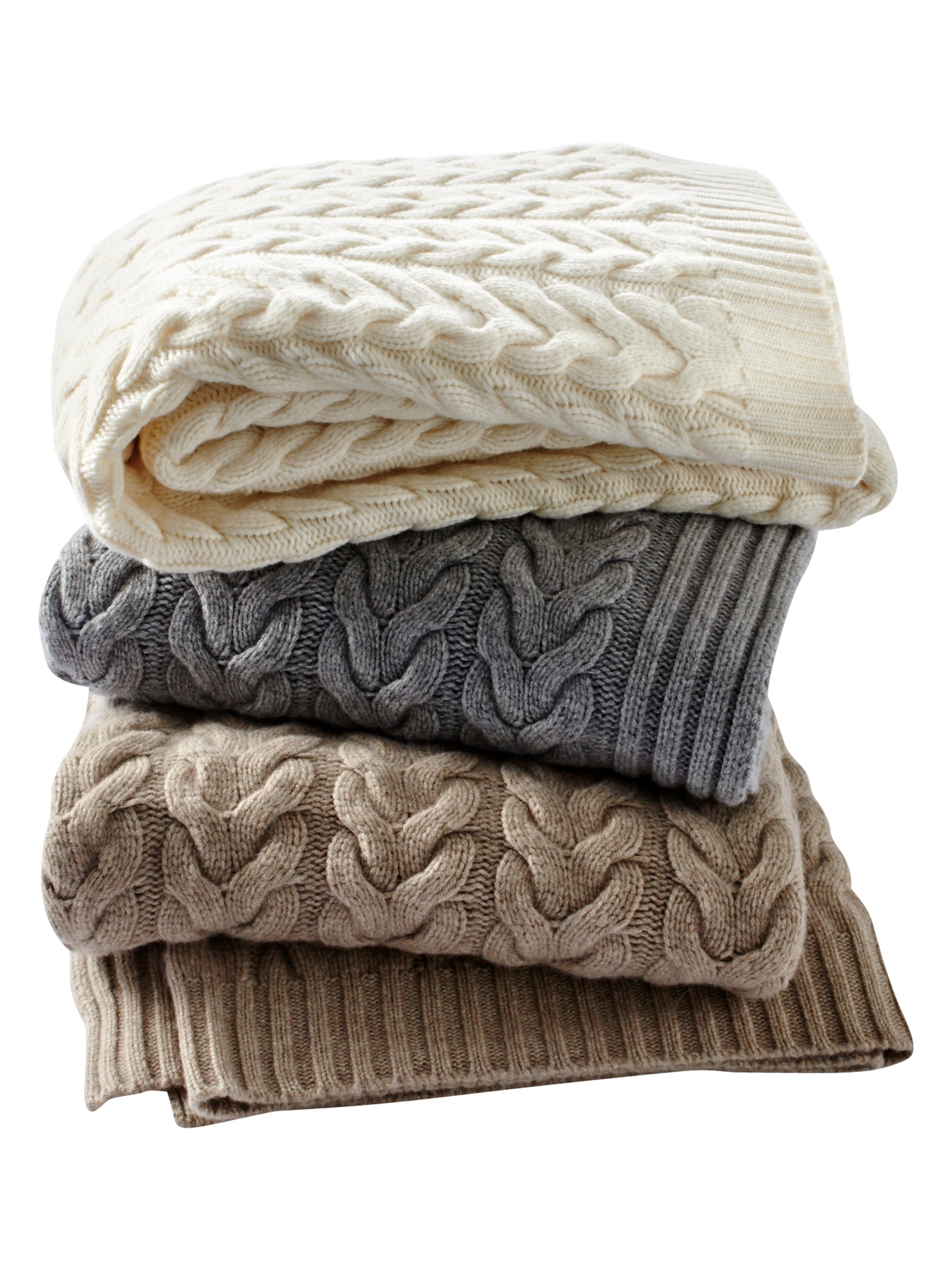
This approach also changes the way light shapes interiors. Matte and rough surfaces do not dazzle. They catch shadows, creating subtle contours that shift throughout the day. The setting sun on a scraped plaster wall offers a spectacle of infinite complexity—one that an accumulation of shiny objects would have simply nullified.
The Complex Art of Subtraction
Drastically reducing the number of objects, however, does not mean emptying the space without thought. The hard-line minimalism of years past often suffered from a clinical coldness, producing sterile interiors that rejected life and intimidated the occupant. The contemporary approach moves away from this dogmatic rigidity. It seeks warmth within the void. Keeping fewer things requires ruthless curation—a rigorous selection process in which every element retained within the field of vision must justify its presence through its aesthetic and functional value.
A heavy, sculptural table made of solid walnut stands alone in the center of a dining room, without a single superfluous vase or additional centerpiece. A single armchair, whose full-grain leather is just beginning to soften, occupies the corner of a living room near a large picture window. The empty space surrounding these essential pieces acts as a museum-like setting: it gives them the breathing room they need to exist fully. The surrounding emptiness is no longer perceived as a void to be filled, but as the ultimate luxury. In our hyper-dense urban lives, treating oneself to square meters of unoccupied space constitutes the true mark of social distinction.
This deliberate subtraction soothes the mind. Without visual distractions, attention becomes focused, and the mental burden of maintenance and tidying up dissipates. The resident is no longer consumed by their possessions.
The Demand for the Imperceptible and the Art of Subtlety
This aesthetic of restraint is rooted in a culture of secrecy. Attention and financial resources are directed toward construction or assembly details that only the owner notices in daily life. The expense is not visible; it is experienced. It is the perfect, millimeter-precise fit of a baseboard; the dovetail joint of a drawer that opens in complete silence; the exact weight and feel of an untreated brass doorknob.
These elements of extreme precision are completely lost to a quick photograph. They cannot be captured by a smartphone lens. They require time, a physical presence, and an appreciation for craftsmanship to be fully appreciated. The ego of the person commissioning such a design is no longer fed by the immediate approval of their guests, but by their own delight in the face of masterful craftsmanship. Paradoxically, a completely bare shelf will draw attention to the perfection of its proportions, the absence of visible screws, and the precision of its wood grain. Keeping it simple often costs infinitely more than making it complicated, because minimalist design tolerates no approximations or manufacturing flaws.

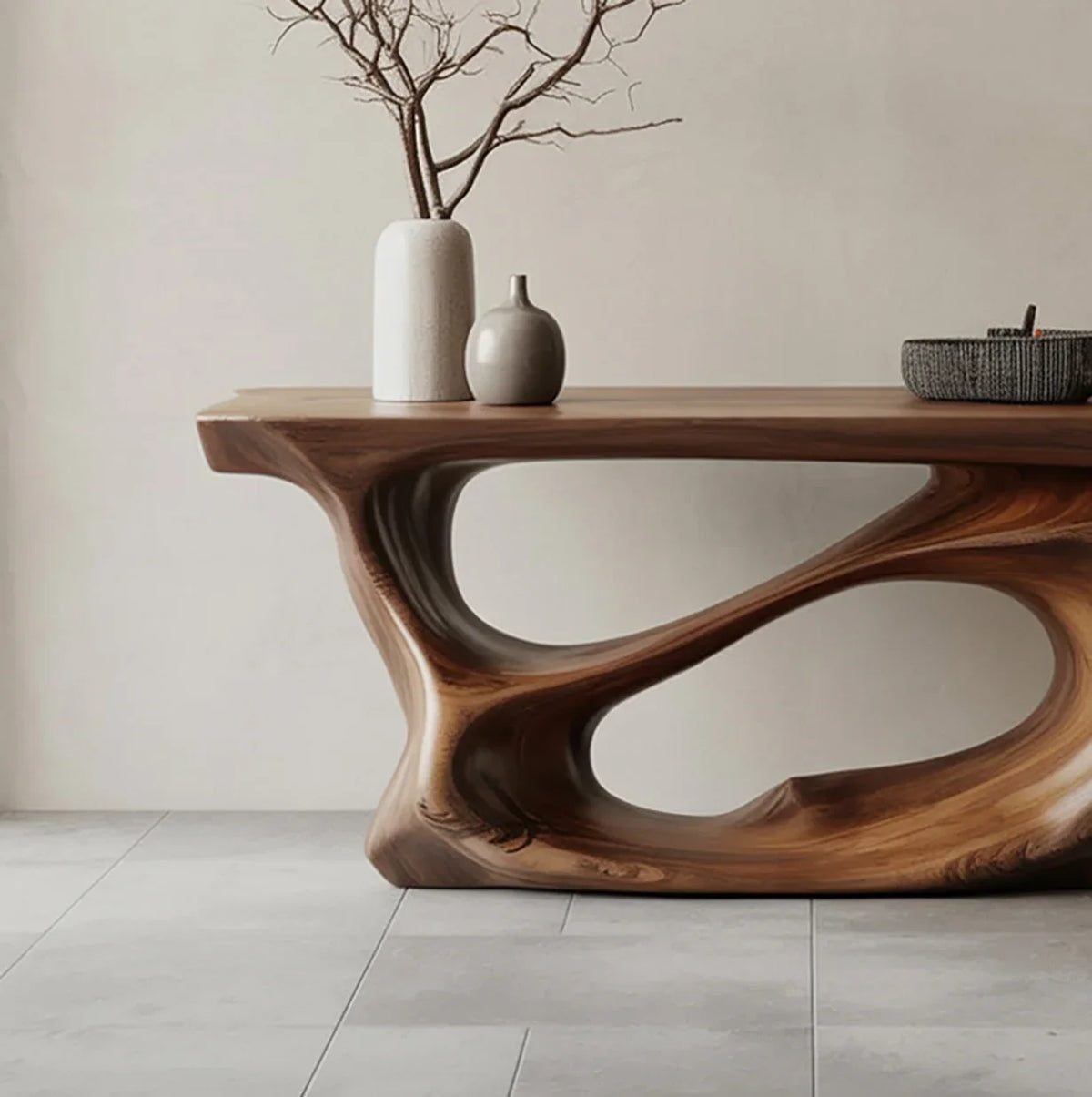
Here, the dialogue with the arts and crafts finds its most fertile ground. Money finds its way into the hands of the cabinetmaker, the stonemason, and the weaver. Absolute custom-made craftsmanship replaces mass-produced furniture, even in its high-end variations.
Acoustics and the Invisible Presence
When objects disappear and knickknacks vanish from flat surfaces, other dimensions of interior architecture emerge—dimensions often overlooked in traditional design. A room’s acoustics undergo a profound transformation. The predominance of raw, dense materials acts as an unexpected sound absorber.
An accumulation of hard furniture and knickknacks tends to cause sound to bounce around, creating a jarring acoustic environment. Conversely, the prevalence of heavy linen on the windows, merino wool on the seating, unvarnished solid wood, or porous stone absorbs echoes. The muffled sound of footsteps on a wide-plank hardwood floor, simply soaped, immediately alters the state of mind of anyone entering the room. Acoustics play a full part in this sense of understated luxury. Calm is no longer just visual; it becomes literal.
The mark of time as the ultimate refinement
The categorical rejection of flashy objects implicitly signals the end of planned aesthetic obsolescence. Interior design breaks free from the frenetic seasonal trends imposed by the furniture industry. Surrounding oneself with few possessions, but opting for dense, natural materials, means accepting that the decor will age, transform, and live at its own pace.
The sun’s rays subtly fade a plant-print wall hanging over the course of summers. Repeated foot traffic darkens the grain of the hardwood floor near the doors. The kitchen marble absorbs the marks of daily life, becoming scratched and weathered. The copper and bronze of the faucets oxidize, shifting from a cold sheen to a deep green or warm brown. This inevitable patina is no longer seen as a deterioration from its new condition, but as a true ennoblement of the material.
The home interior sheds its status as a static setting on glossy pages to become a living organism that adapts and bears the marks of those who inhabit it. Accepting this natural transformation requires a certain confidence. Contemporary refinement lies precisely there: in this ability to let the material absorb the passage of time, far from the clamor of fleeting trends, with the irreplaceable depth of reality as its sole anchor.