
Make Texture a preferred source on Google to support us
Add Texture to GoogleThe End of Innocence for the Secondhand Market
For a long time, acquiring a vintage piece was like going on a treasure hunt. A bag that’s no longer in production, a coat from a discontinued collection, or a color that’s impossible to find in stores—these alone were reason enough to turn to specialized resellers. Today, this process has become institutionalized. The thrill of the find has given way to an unrelenting demand for transparency. Gone are the days of transactions based solely on blind trust in a charismatic seller: secondhand shoppers now demand traceable histories, tangible guarantees, and impeccable customer service.
The landscape has changed radically for brands and retailers. Integrating the pre-owned market is no longer merely a concession to current trends, but a strategic priority with far-reaching consequences. Deloitte’s “Global Powers of Luxury 2026” study, conducted among 420 executives in ten countries, confirms this strikingly: 53.8% of the companies surveyed now run their own trade-in or certified resale programs. Behind this trend lies a major challenge. It is no longer just a matter of selling a dream, but of taking responsibility for a product long after it leaves the factory, all while juggling unprecedented inspection and logistics costs.
The Right Price vs. the Illusion of a Good Deal
While the quest for rarity motivates discerning collectors, economic reality remains the market’s primary driver. In a survey of 7,800 active members of the Vestiaire Collective community conducted in April and May 2025, the Boston Consulting Group found that 78% of them consider value for money to be the key factor in their purchasing decisions. This is a legitimate expectation, but one that often clashes with the complexity of evaluating a pre-owned item.
The most common mistake is to rely on the prices listed on the platforms. A listing that sits unsold online indicates nothing more than a seller’s unrealistic expectations. Only actual completed transactions—provided you’re comparing strictly identical items—allow you to establish a reliable price benchmark. A different size, a specific finish, or a few scratches can drastically alter a product’s value.
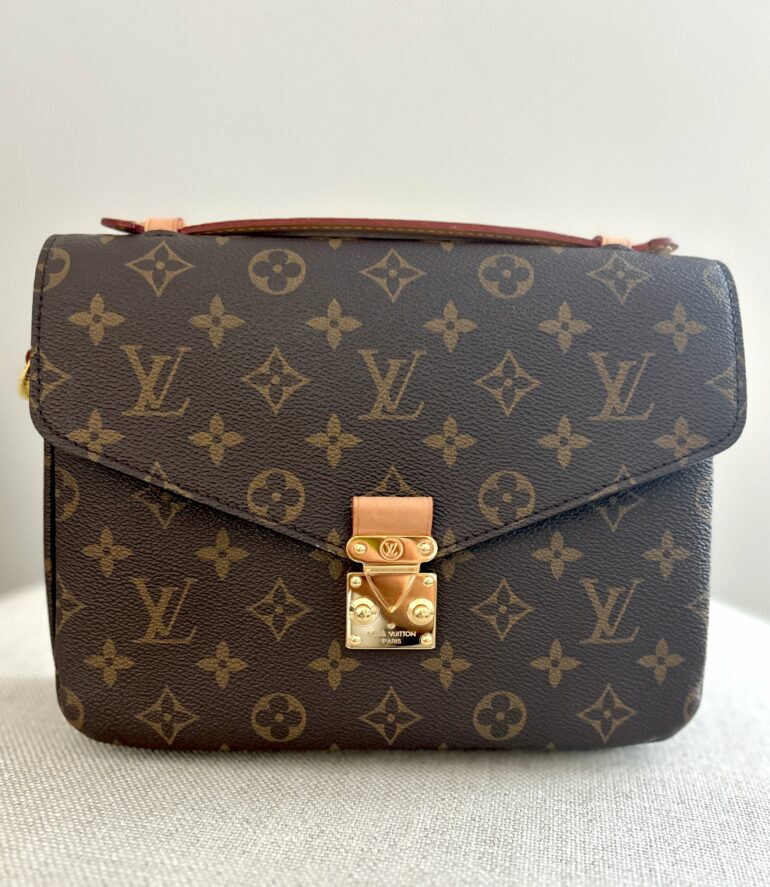
Above all, the listed price often hides a host of additional fees. Once you add shipping costs, platform commissions, any import taxes—not to mention clothing alterations or specialized dry cleaning—the total cost rises significantly. A bargain-priced garment requiring complex repairs will ultimately prove less worthwhile than a more expensive piece that’s ready to wear right away. The condition of the item also requires a thorough inspection. A savvy buyer doesn’t settle for a cursory glance: they scrutinize the wear on a bag’s corners, the integrity of the edge finish that protects the leather’s edges, the condition of the linings, how well the fasteners work, and the absence of lingering odors. For ready-to-wear clothing, actual measurements take precedence over the size label, which is often misleading after possible alterations.

Authentication is more than just a piece of paper
In the world of secondhand luxury goods, the presence of an original box, a protective cover, or a crumpled receipt is reassuring, but proves absolutely nothing. Authentication requires physical examination and a strict methodology. The question is no longer whether a certificate accompanies the item, but rather who issued the document, following what kind of examination, and what recourse is available in the event of an error.
In this regard, fine watchmaking offers one of the strictest frameworks. Rolex’s Certified Pre-Owned program illustrates this commitment to regulating the secondary market. Watches that enter this exclusive program—available only through a network of participating authorized retailers—are not merely verified. They undergo a complete service and come with a two-year international warranty. This assurance comes at a cost, but it eliminates the anxiety associated with non-compliant replacement parts or overly aggressive polishing that compromises the authenticity of a case.
For transactions outside these official networks, caution is advised. The seller’s financial stability, return policy, and responsiveness take precedence over the speed of the purchase. When faced with a discounted offer accompanied by a nerve-wracking countdown, your instinct should be to be wary—even if it means hiring an independent expert before authorizing a substantial payment.
The Profitability Dilemma for Luxury Brands
For boards of directors, extending the lifespan of products opens up new points of contact with customers. However, turning the circular economy into a profit center is a balancing act. Gross margins shrink rapidly when companies must pay skilled artisans for refurbishment, manage disputes, and absorb round-trip shipping costs.
Every business model has its flaws. Purchasing inventory ties up massive amounts of capital and exposes the company to price volatility. A consignment model eases cash flow but maintains intense logistical pressure, while outsourcing to a third-party marketplace results in a loss of control over the customer experience. Executives are tasked with identifying the true profitability of each product category. They must also ensure that these initiatives attract new customer segments rather than cannibalizing sales of their much more lucrative new collections.
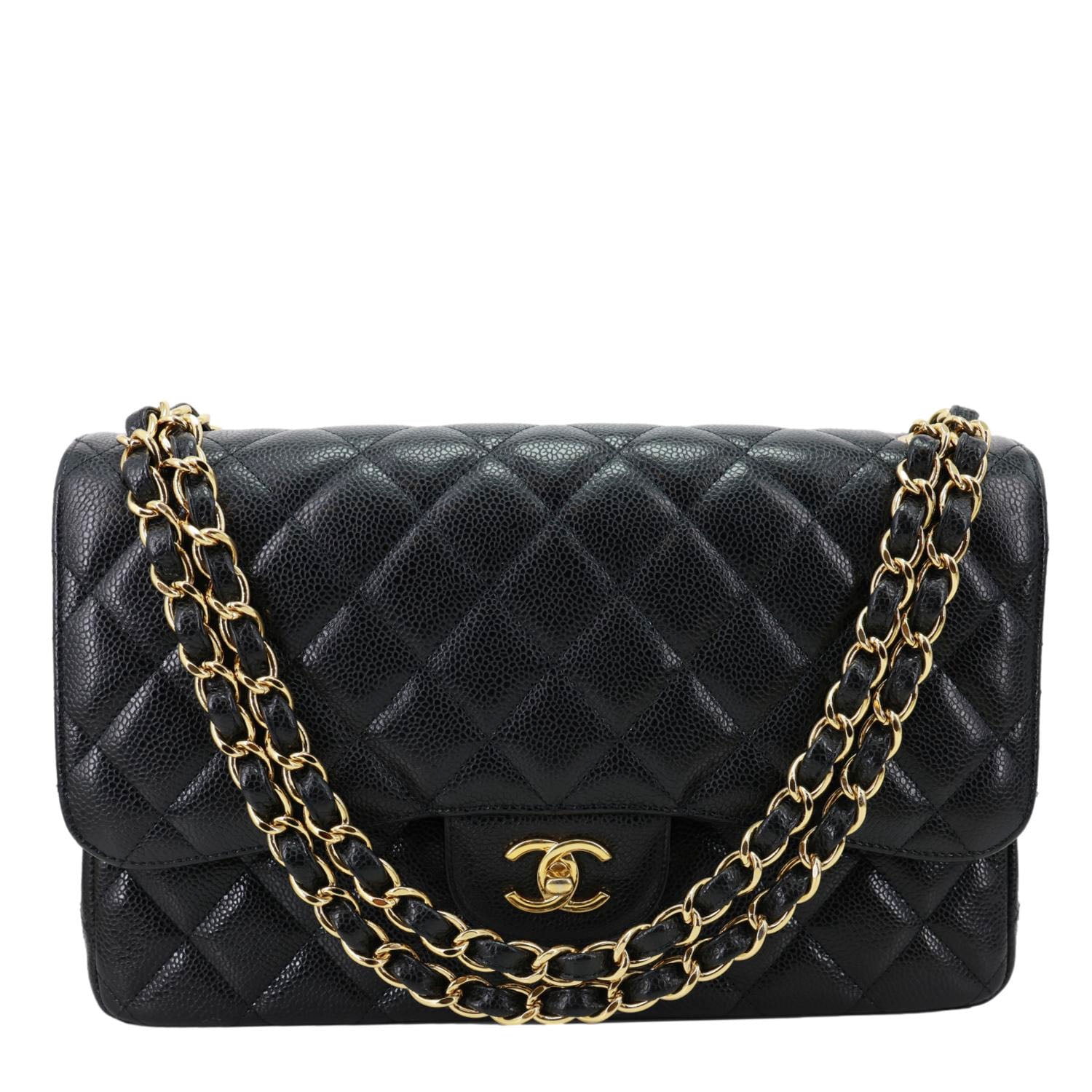
The current enthusiasm for digital passports and traceability of maintenance records is a step in the right direction, facilitating future estimates. Nevertheless, a digital record is only valuable if it is backed by tangible physical evidence. Before rolling out these solutions on a large scale, brands must test their ability to handle returns and resolve authenticity disputes smoothly, or risk seeing their reputation permanently tarnished.
Cost per shipment: the only true indicator of value
In this complex ecosystem, how do you define a successful purchase? The prospect of resale value remains uncertain. It depends on fluctuations in a brand’s desirability, commission fees, and the time spent finding a new buyer. Speculation proves to be a risky strategy for anyone who isn’t a professional dealer.
The soundest approach is based on use. Structured leather goods, timeless jewelry, or well-tailored garments can last for decades, provided they are properly cared for. The true indicator of a purchase’s success is its cost per wear. A beautiful winter coat bought at full price but worn daily for five years represents an infinitely more sensible investment than an evening gown snagged at half price that will never see the light of day.
The environmental argument follows the same ironclad logic. Buying secondhand only has real environmental merit if it replaces the purchase of a new item. If the affordability of secondhand items serves as an excuse to frantically accumulate extra clothing, the carbon footprint plummets. Repairability and intensive use take precedence over the mere fact that the item has already had a previous life.
The sector’s maturation over the coming years will reveal which brands truly succeed in balancing customer trust with service profitability. As Despina Wilson, Executive President of CEO ATELIER—a platform bringing together a selection of fashion and luxury brands—aptly summarizes: “The most rewarding secondhand purchase is one you’d value even if its resale price never went up. Buyers should demand clear provenance, honest reporting on the item’s condition, and convenient after-sales service. A prestigious label deserves careful consideration; it’s the item’s durability in everyday use that makes the purchase worthwhile.” Beyond the prestige of the name stitched onto the lining, it is the item’s ability to fit into its owner’s daily life that determines its true value.