
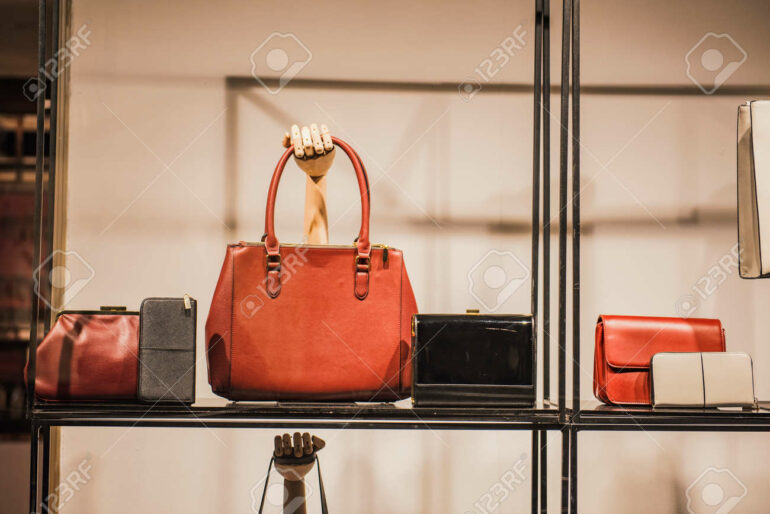
Forget for a moment the myth of the impulsive shopper, blinded solely by the glamour of a century-old logo or the gilded trim of a prestigious storefront. The balance of power at the point of sale has quietly shifted. Behind the hushed storefront windows, a new dynamic is reshaping the contours of desire. The contemporary customer—who represents the customer base of tomorrow—is no longer content to passively absorb the narrative presented to them. They dissect it, evaluate it, and, above all, tailor it to their own demands. Far from undermining the foundations of an industry historically built on exclusivity, this so-called “emerging” clientele is making the rules its own in order to better reinterpret them. And according to the latest analyses from EY, this shift is upending a hierarchy once thought to be immutable: the weight of a brand’s history is gradually giving way to the rigor of its production.
Material as the sole truth
This observation is striking in its pragmatism. For this new generation of buyers, a brand’s reputation or legacy is no longer enough to trigger a purchase. The intrinsic quality of materials has emerged as the ultimate criterion for choice. Before buying a brand name, one buys a fabric, a construction, a cut, and a provenance. An item’s desirability is now tied to its physical reality and the method by which it is made. A brand’s credibility is no longer assumed based on its archives; it is proven with every stitch.
This quest for structural legitimacy is forcing the industry toward unprecedented transparency. Grandiose marketing rhetoric is giving way to a form of technical honesty. Customers want to understand what they’re paying for. This demand for meaning and rational justification is not merely a niche trend, but a massive economic driver. Data from McKinsey confirms the highly strategic importance of this consumer segment. They are not on the fringes of financial statements; they are at the heart of future growth. The challenge for the industry’s major players thus takes the form of a balancing act: how to meet this growing demand and broaden their customer base without diluting their aura or trivializing their offerings? The answer lies in a form of luxury that must be intellectually justifiable.
Monetizing the Intangible
While material elements define the object, intangible factors dictate purchase frequency. The customer experience—a concept sometimes overused—takes on a radical new definition here. EY demonstrates that it is no longer perceived as a mere superficial touch or a social nicety during an in-store visit. Customers now view it as a genuine extension of the product’s value itself. It is precisely this lever that triggers repeat purchases and builds loyalty. Highly personalized touches, seamless service, and access to exclusive experiences have become inseparable from the purchased item.
However, one red line remains: even the most exceptional service in the world can never save a mediocre product. The experience extends the quality; it does not replace it under any circumstances. It is on this demanding foundation that an almost taboo trend is emerging in the history of this market: the monetization of access. Historically resistant to recurring revenue models, the industry is discovering that a significant segment of its prospective customers is willing to reach for their checkbooks—not for a physical good, but for privileged access. Events closed to the general public, highly exclusive clubs, and even subscription plans: the luxury sector is experimenting with pricing within its own ecosystem.
It is a discreet yet formidable financial windfall. However, it demands clinical execution. Selling access carries the major risk of devolving into industrial-scale service provision, instantly shattering the illusion of scarcity. Those who have succumbed to pride by multiplying their retail outlets and entry-level merchandise know the price of overexposure. Priced scarcity must remain a mystery, lest it turn into a run-of-the-mill amusement park for fleeting fortunes.
Certified Archives and Safe Haven
The pragmatism of this new clientele finds its most accomplished expression in its relationship to time and ownership. The secondhand market is no longer the sector’s poor relation. As KPMG points out, it has reached a decisive milestone, driven by concepts once foreign to the luxury sector: circularity and transparency. Buying pre-owned goods is no longer a hidden financial compromise; it is a deliberate choice, often motivated by the desire to acquire a piece of heritage.

A key finding noted by EY: when a brand itself takes charge of certifying its vintage pieces, this in no way diminishes the perception of exclusivity among aspiring customers. On the contrary, this official recognition is reassuring. It guarantees authenticity, validates the condition of the item, and establishes the investment’s long-term value. The luxury item thus openly transforms into a financial asset. Its ability to stand the test of time and retain value on the secondary market becomes a direct selling point, clearly communicated from the very first time a customer checks out.
The dividing line between algorithm and human touch
Faced with ultra-mobile and hyper-informed buyers, technology is naturally infiltrating the early stages of the transaction. Artificial intelligence is now commonly used for tasks such as product discovery, detailed comparisons, and pre-sale personalization. The customer lays the groundwork from their screen, armed with an almost encyclopedic knowledge of catalogs and prices.
But the tide turns when it comes time to close the deal. A clear line is drawn, reminding us that the act of purchasing an exceptional piece retains a visceral dimension. Accenture makes this clear: brand loyalty rests as much on the meaning a brand conveys as on the pure market value of its creations. In this equation, the algorithm reaches its limits. Human interaction, the theatricality of the boutique, and the finesse of in-person advice remain the cornerstone of the entire experience. Technology sets the stage for seduction, but it possesses neither the tact of a glance, nor the taste, nor the intuition of an experienced advisor.
The current climate imposes a paradoxical rhythm on long-standing players. They must capture an impatient, connected audience that demands immediate responses and total transparency, all while stubbornly refusing to give in to the easy path of industrial immediacy. In a landscape where speed is the absolute norm of mass consumption, the ability to set one’s own pace—to make a client wait for a handcrafted creation—remains the most striking hallmark of true privilege.