

Make Texture a preferred source on Google to support us
Add Texture to GoogleAt the top of One World Trade Center, where the floor-to-ceiling windows frame the Manhattan skyline, the inaugural Design Dialogues summit brought together, on Wednesday, September 16, 2026, the decision-makers who shape contemporary aesthetics. Held at Condé Nast’s global headquarters, this day of discussion organized by AD PRO shed light on a question that haunts many architects and interior designers: how can a residential project be transformed into a cover story for Architectural Digest? The challenge goes beyond simply submitting digital files; it involves an in-depth exploration of the selection process for a publication that sets the global standards for luxury and design.
Narrative Power as a Selection Criterion
For the editorial board, the intrinsic beauty of a space is no longer enough to guarantee its publication. During the panel discussion, a consensus emerged: the selection of a project hinges primarily on its coherence and narrative power. An interior should not be viewed as a series of decorated rooms, but as the story of a space. This “narrative of a place” is the cornerstone upon which the visual direction team’s decisions are based.
Bebe Howorth, senior digital design editor, and Mayer Rus, West Coast editor-in-chief, emphasize that the perspective taken on a project must reveal an intention. Readers are looking for a story—a vision from the architect or homeowner that transcends mere furniture arrangement. This narrative requirement compels professionals to conceive their proposals not as a demonstration of technical expertise, but as a coherent intellectual and emotional proposition.
The Photographic Approach: Soul Versus the Catalog
Photography plays a central role in this quest for meaning. Stephen Kent Johnson, an internationally renowned photographer and regular contributor to the magazine, shared his vision for capturing spaces during this masterclass. For him, as well as for the editors in attendance, the most common mistake lies in the desire to produce a visual inventory. A successful submission must move away from the cold, systematic, descriptive catalog that merely lists materials and high-end furniture.
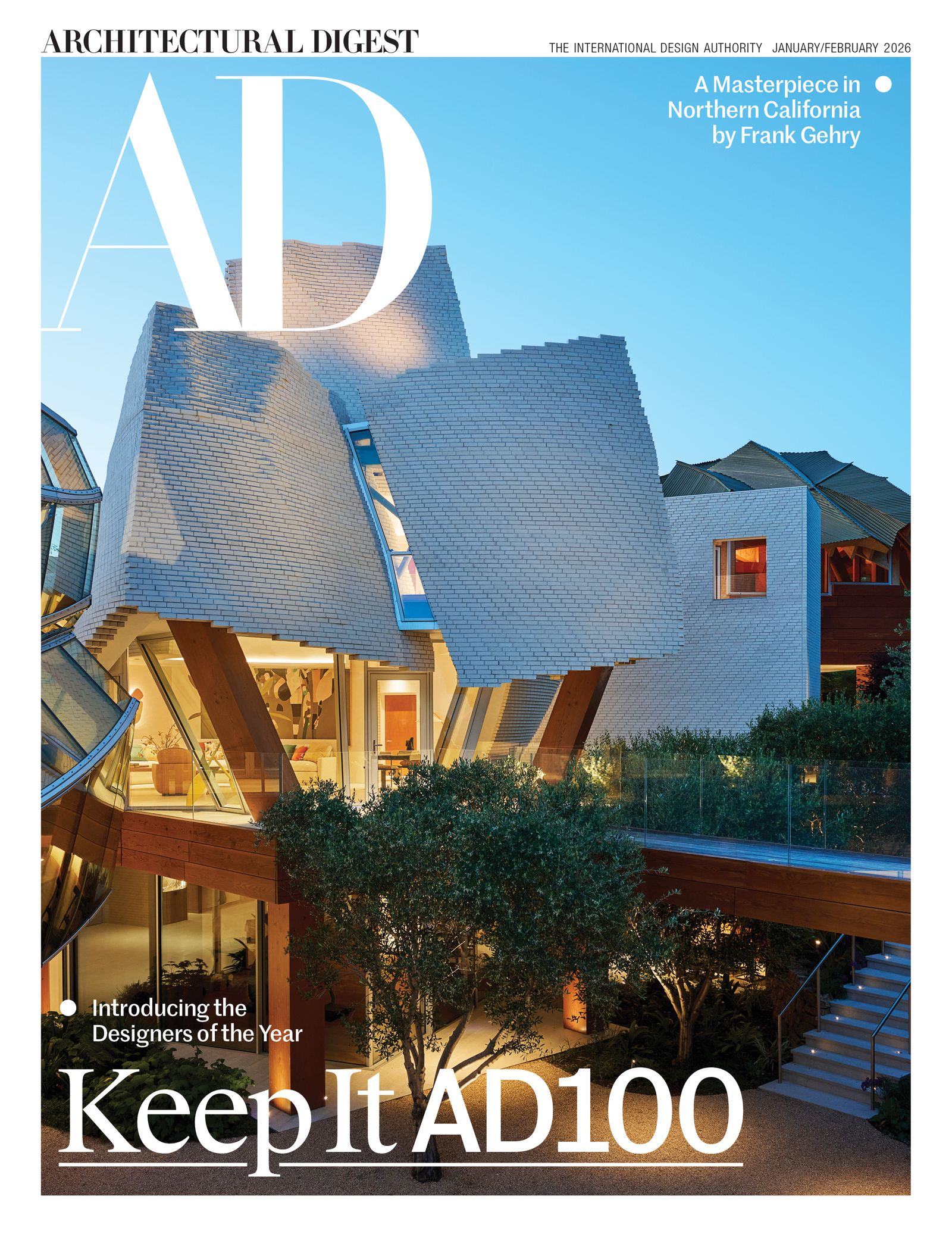
The goal is to capture the soul, atmosphere, and emotion that emanate from an interior. This requires an almost cinematic approach to photography, where lighting and framing are used to convey a feeling rather than mere spatial information. The visuals that grab attention are those that manage to capture the intangible: the atmosphere of a room at a specific time of day or the tension between two design elements. This ability to “capture the soul” is the true key to passing the visual selection stages overseen by Michael Shome, the brand’s global visual director.

The Filters of Editorial Standards
Submitting a project to an editorial team of this caliber is subject to criteria of the utmost rigor. The stylistic alignment of the photograph with the publication’s artistic direction is an essential prerequisite. Even before the project is evaluated for its architectural qualities by Michael Shome and his team, it must demonstrate a perfect understanding of the publication’s unique aesthetic. Every detail—from the choice of angles to color saturation—must resonate with the brand’s visual identity.
While the essence of the process was widely discussed at the summit, certain trade secrets remain under wraps. The complete guide to technical specifications—including the exact image resolutions or exclusivity ratios required during the pitch—has not been the subject of a detailed public announcement. Similarly, the direct submission links shared during that closed-door session remain exclusive to participants, underscoring the commitment to maintaining a general selection policy based on excellence rather than an automated process.
Exclusive Access to AD PRO’s Expertise
This event, featuring key figures such as Mayer Rus and Bebe Howorth, former director of interiors at Elle Decor, demonstrates the group’s commitment to strengthening its ties with the professional community. Access to this day of masterclasses and panel discussions at One World Trade Center was offered free of charge to members registered with the AD PRO service in September 2026. This free access for members underscores the strategic value placed on sharing best practices within the design industry.
Ultimately, successfully getting a project published requires a shift in perspective. It is no longer just about designing exceptional spaces, but about becoming the curator of one’s own work—capable of extracting its essential narrative essence to present it in its most evocative light. Publication then becomes recognition not of a completed project, but of an artistic vision fully realized and documented with rare sensitivity.