
Make Texture a preferred source on Google to support us
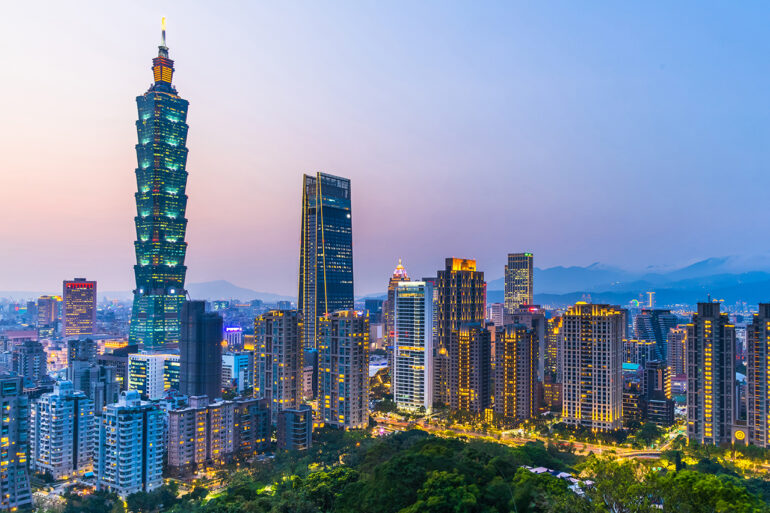
Add Texture to GoogleThe act of purchasing alone is no longer enough to define the ultra-luxury retail sector. Faced with a saturated market and a customer base whose expectations are changing at a rapid pace, Asia’s retail powerhouses are rethinking their strategies. In Taiwan, the iconic Taipei 101 tower illustrates this shift with surgical precision. As the fall shopping season disrupts traditional schedules by kicking off as early as late summer, the skyscraper’s management is rolling out a strategy that goes far beyond a simple clearance sale or seasonal discount. The goal now is to foster a sense of belonging, transforming a shopping complex into an open-air private club.
The numbers support this shift in focus. The company reports double-digit revenue growth over the past year that is directly attributable to its loyalty program. This metric validates a clear premise: the battle for retail customers is no longer won through price wars, but through relationship-building. Attracting shoppers with a one-time discount guarantees an immediate spike in foot traffic; cultivating an exclusive sense of community, on the other hand, ensures sustainable revenue.
Spatial curation: the first step in winning over customers
To solidify this positioning, the setting matters just as much as the content. The ecosystem of boutiques housed within Taipei 101 is undergoing a meticulous overhaul, designed to reassure a clientele accustomed to global luxury standards. The anniversary period serves as a pretext to unveil new spatial configurations that act as tokens of legitimacy.
The Belgian leather goods brand DELVAUX has set up a temporary space there, testing local interest with a pop-up format, while the Italian jeweler Buccellati has established a permanent presence. At the same time, Montblanc unveils a completely redesigned location. These real estate shifts create a carefully orchestrated scene. Management does not simply rent out square meters to the highest bidder; it crafts a visual and commercial landscape where the presence of each brand enhances the prestige of its neighbor.
Sugar as a Tool for Social Segmentation
The masterstroke of this fall campaign lies in the use of gastronomy as a filter for access. On September 3 and 4, the fourth floor of the tower will be transformed into a tasting lounge for the “SWEET TOGETHER” event. The concept brings together under one roof ten leading figures in contemporary pastry arts, commissioned to create unique pieces designed exclusively for the occasion.
Highly sought-after establishments such as creammm.t, Miss V, Library Angte, and the venerable institution 明月堂 (Ming Yue Tang) are featured in the lineup. Access to these limited-edition creations, however, goes beyond a simple purchase at the counter. To have any hope of tasting these treats, customers must meet a specific spending threshold—the only way to obtain the coveted ticket. Pastries shed their role as mere sustenance to become a status symbol. The fleeting experience—savoring a dessert unavailable anywhere else—generates a personal narrative that the customer is eager to share, effectively acting as an influencer for the brand.
Cutting-edge watchmaking and object fetishism
This focus on exclusivity reaches its peak when it comes to time and the measurement of achievement. Starting September 9, the tower launches the new edition of “World Masterpiece.” For twenty-four days, the central atrium on the fourth floor and partner boutiques will be transformed into a vast showcase dedicated to watch complications and fine jewelry.
Twenty-two brands, including Longines, Blancpain, and Rado, as well as fashion houses specializing in high-end accessories such as Burberry and DELVAUX, will showcase limited-edition collections and heritage pieces. Taipei 101, with its architectural grandeur, plays on the metaphor of verticality to showcase craftsmanship destined to stand the test of time.
Alongside this celebration of the long term, the shopping center cultivates rarity in a more unexpected way. For the twenty-third consecutive year, a collectible bear is being released. Far from being a mere children’s trinket, the object embodies the obsessions of the moment. This year’s edition marks a partnership with outdoor gear brand The North Face. The teddy bear wears a miniature replica of the famous Nuptse down jacket, complemented by a yellow vest and a technical beanie. This nod is anything but trivial: it echoes climber Alex Honnold’s solo ascent of the tower earlier this year. By capturing this extreme feat in a miniature plush toy, Taipei 101 transforms a sporting achievement into a highly desirable collectible, coveted by collectors.
The Financial Mechanics Behind the Facade
This entire experiential narrative rests on a rigorously calibrated banking framework. The campaign schedule, which runs through October 11, begins with a pre-sale period dubbed “Golden Week.” From August 27 to September 2, the system openly favors a specific group: holders of the Taipei 101 co-branded card and customers of China Trust.
During this limited window, financial benefits reach aggressive caps, with cashback rates climbing as high as 13% depending on the type of purchases. Cosmetics, fashion, watches, and jewelry each have their own incentive scale. After September 2, the benefits are extended to all credit cardholders for the remainder of the promotion.
This “reverse funnel” mechanism—generously rewarding the most committed shoppers before opening the floodgates to the general public—proves that traditional discount strategies remain formidably effective, provided they are dressed up as exclusive perks. The challenge for Asia’s consumer meccas lies precisely in this delicate balance: increasing financial incentives while preserving the myth of a space where money alone is no longer enough to gain access to the best.