
Make Texture a preferred source on Google to support us
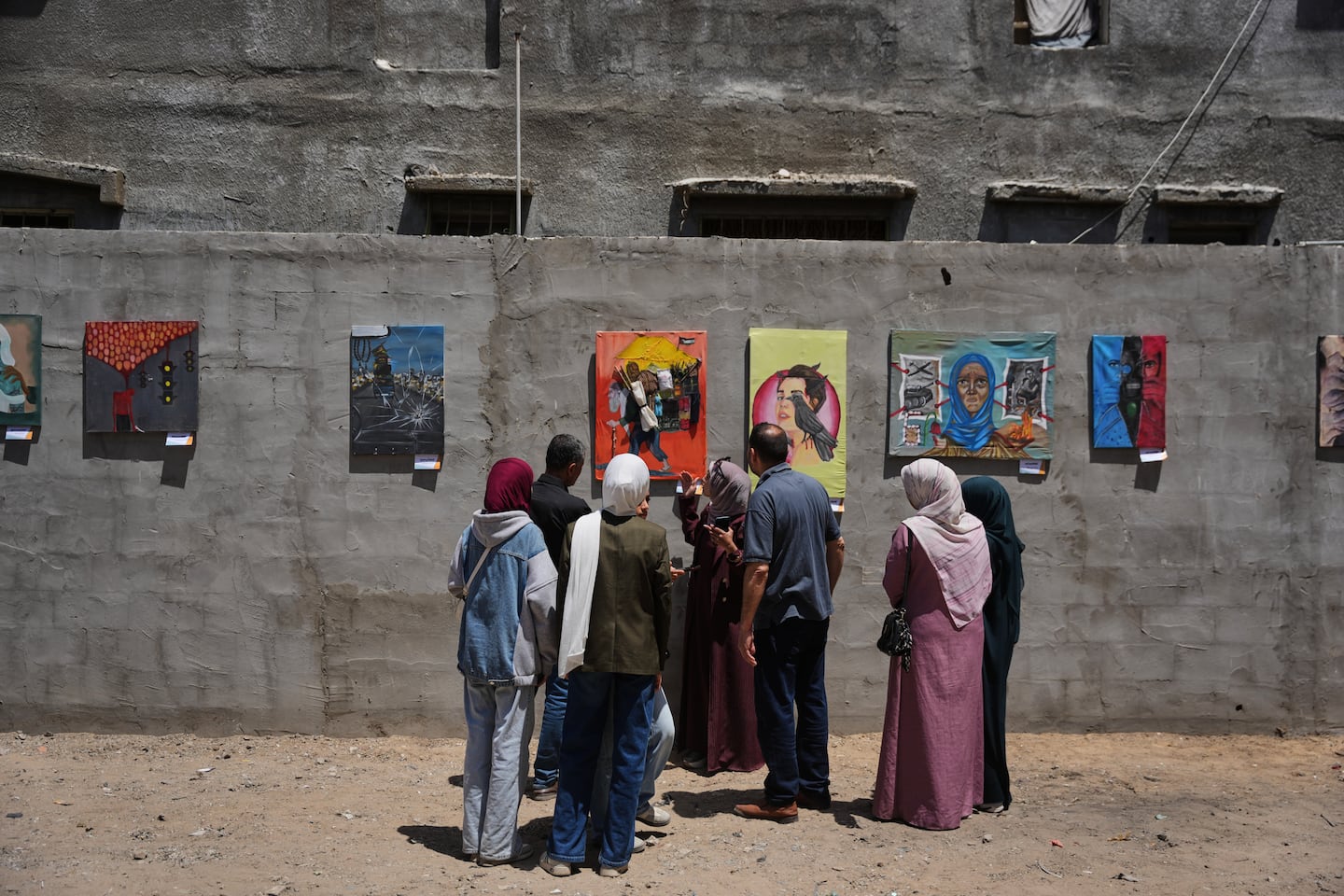
Add Texture to GoogleIn Gaza, the calendar no longer marks the changing of the seasons, but rather the changing of silences. One year after the ceasefire took effect on October 10, 2025, the strip of land has been frozen in a state of suspended time, where the absence of massive bombardments does not mean the end of the death toll. For those trying to maintain some form of creativity amid the ruins, expression becomes a vital necessity—a way to navigate a landscape where life now hinges solely on numbers and movement restrictions.
The Truce Reflected in the Statistics
The apparent calm of recent months masks a reality precisely documented by international bodies. Since the signing of the truce in October 2025, the Office of the United Nations High Commissioner for Human Rights (OHCHR) has recorded more than 1,200 Palestinians killed. This tally, as of August 2026, underscores the fragility of daily life, where danger has not disappeared but has taken on a new form. Survival, for artists as well as for the rest of the population, revolves around this persistent threat, which continues to take its toll despite diplomatic agreements.
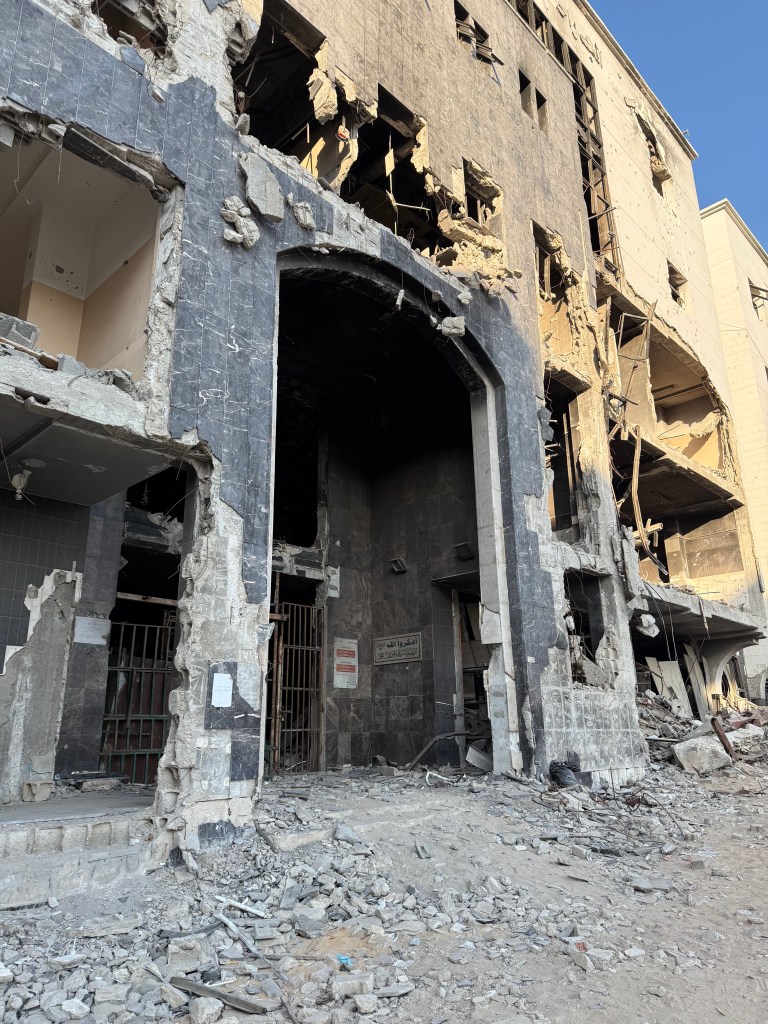
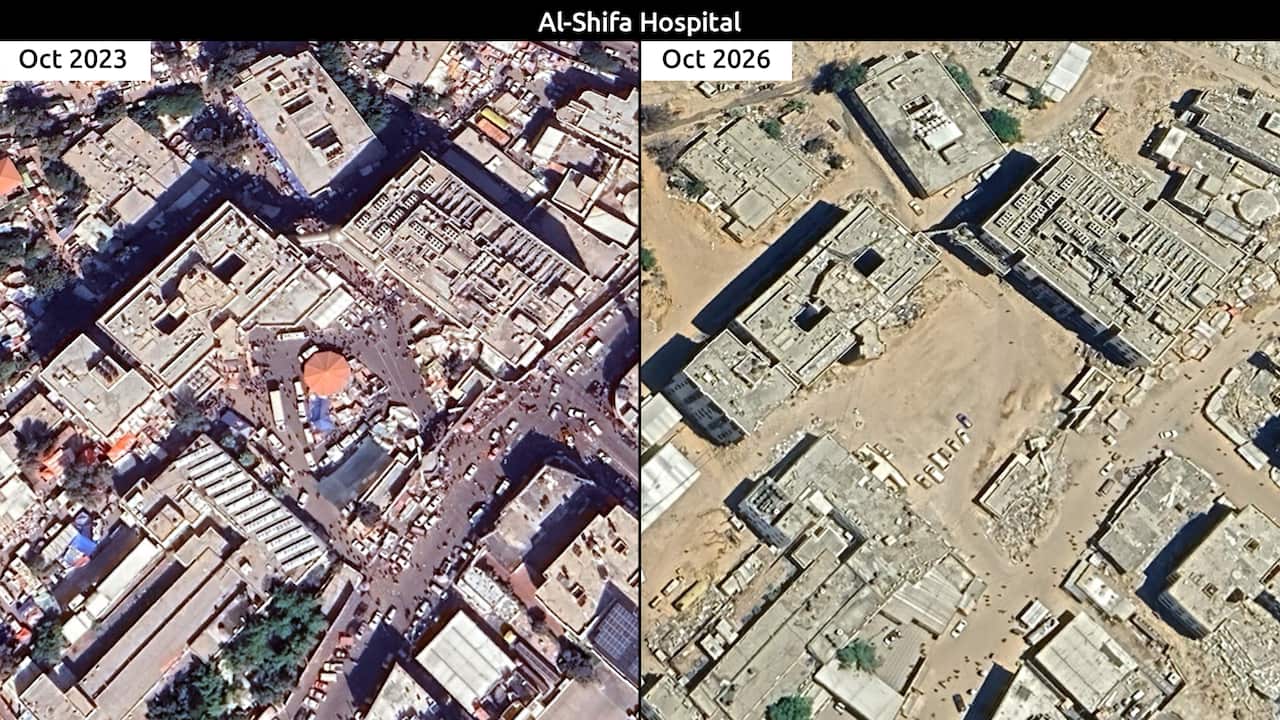
This post-ceasefire death toll takes on an even more tragic dimension within healthcare facilities. In October 2026, local hospital administrators, particularly those at the Al-Shifa medical complex, reported an alarming situation: between 1,344 and 1,400 deaths had been recorded among the wounded and sick since the official cessation of hostilities. These losses are not the direct result of immediate combat, but the consequence of a prolonged wait. Trapped inside the enclave, these patients are waiting for a medical evacuation that never comes, illustrating the logistical and humanitarian impasse that defines the region one year after the agreement.
A Healthcare System in Decline
Living—or even simply existing—in the Gaza Strip today means coping with a devastated infrastructure. The urban landscape, marked by loss and displacement, no longer has any fully operational healthcare facilities. Of the 37 hospitals in the territory, none is able to operate at full capacity. According to data collected between September and October 2026, only 19 facilities are partially functional.
For the 20,000 patients requiring urgent care, the horizon ends at the checkpoints. Restrictions on leaving the city remain strict, prohibiting any transfer outside the city for those whose lives are at risk. This forced confinement is redefining residents’ relationship with space and time. In this context, art is no longer merely an aesthetic pursuit, but a tool to bear witness to the imposed immobility and the uncertainty that gnaws at the daily lives of survivors, both inside and outside Gaza’s borders.
Survival, one year after the ceasefire, is measured by the ability to maintain a human presence in the face of the collapse of material systems. While hospitals struggle to function with rudimentary resources, the people of Gaza remain at the mercy of political decisions governing the crossing points, where health and life have become subjects of constant negotiation.