

Make Texture a preferred source on Google to support us
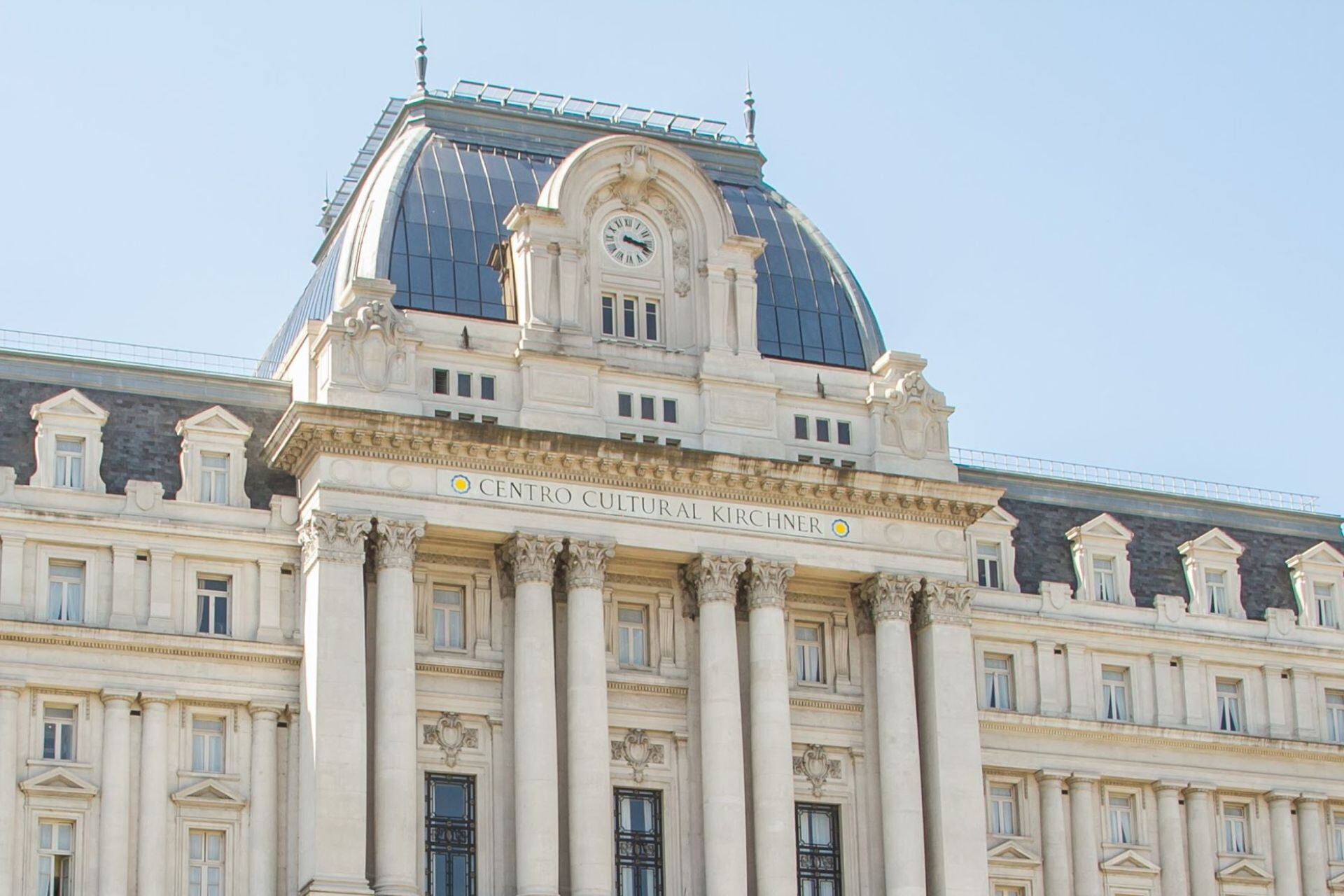
Add Texture to GoogleIn Buenos Aires, the imposing silhouette of the post office building—now the country’s largest cultural center—no longer bears the name of Néstor Kirchner. Renamed “Palacio Libertad – Domingo Faustino Sarmiento Cultural Center” by a 2024 decree, the building has become the architectural symbol of a profound transformation sweeping through Latin America. Driven by conservative or libertarian governments, the region is plunging into a “cultural battle” (batalla cultural) in which budgets are no longer merely tools of financial management, but ideological weapons. From the Andes Mountains to the plains of the Río de la Plata, fiscal austerity is accompanied by a moral realignment aimed at dismantling what these new powers describe as progressive hegemony or “cultural Marxism.”
Javier Milei’s Argentina: The Chainsaw Shock
Since his inauguration on December 10, 2023, Argentine President Javier Milei has embarked on a brutal restructuring of the state apparatus. The Ministry of Culture, once a leading autonomous body, has been downgraded to the status of a mere secretariat. Initially placed under the authority of the Ministry of Human Capital by Decree 8/2023, it was transferred once again on November 6, 2024, by Decree 989/2024 to come under the direct authority of the Office of the President, with Karina Milei serving as its operational supervisor. This centralization illustrates the executive branch’s desire to maintain tight control over national narratives.
The audiovisual sector, the flagship of Argentina’s cultural exports, is bearing the brunt of this “zero deficit” policy. The National Institute of Cinema and Audiovisual Arts (INCAA) had its operational funding suspended in March 2024. The government justifies this decision by citing a reported deficit of $4 million, a figure that is, however, disputed by organizations in the sector. Beyond the budget cuts, the very model of production is being transformed: since August 2024, the INCAA has been prohibited from subsidizing so-called “non-commercial” films. Public support is now capped at 50% of a feature film’s production cost, forcing filmmakers to secure half of their funding from private sources. The institution’s internal expenses are also limited to 20% of its total resources.
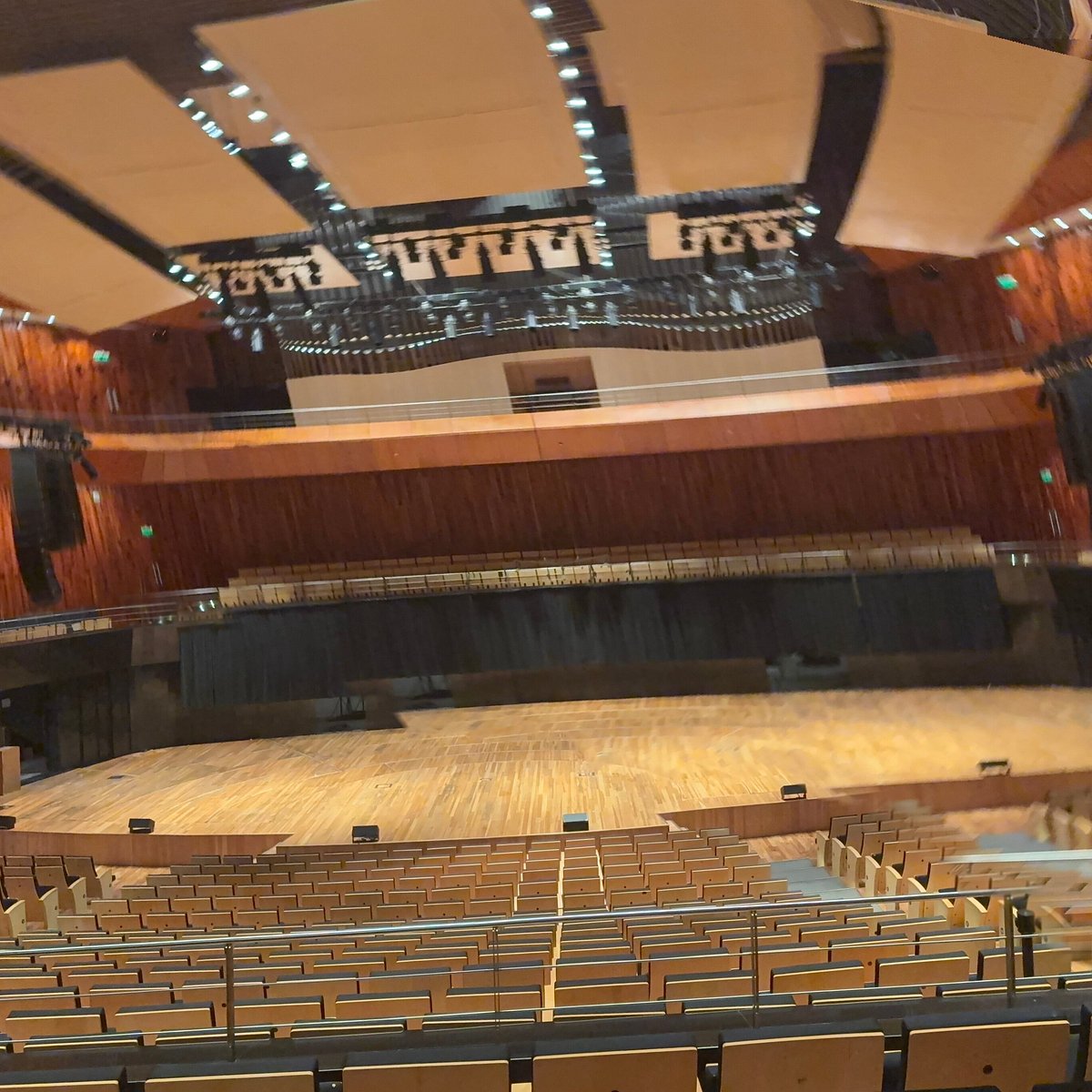
This crackdown is undermining a sector that is nonetheless crucial to the national economy. According to 2022 data, the audiovisual industry accounted for 5.2% of Argentina’s overall economic activity, while the cultural sector in the broadest sense employed approximately 300,000 formal workers. Although the National Arts Fund (FNA) and the National Theater Institute (INT) avoided the complete dissolution initially provided for in the “Omnibus Law,” their future remains dependent on a political will that now prioritizes patriotism over subsidized artistic experimentation. Concerns also persist regarding the future of historic venues such as the Gaumont Cinema, whose possible sale has sparked strong reactions within the artistic community, although no decree authorizing the sale has yet been officially issued by the Secretariat of Culture.
El Salvador and Colombia: A Realignment of Values
In El Salvador, President Nayib Bukele is taking a more confrontational stance on social issues. In June 2024, the government ordered the mass dismissal of 300 employees from the Ministry of Culture. The reason given is explicitly ideological: these employees are accused of promoting agendas “incompatible” with the president’s vision. The appointment of Raúl Castillo, a former teacher, as head of the ministry signals a desire to refocus artistic creation on “patriotic and family values.”
This doctrine is accompanied by a firm rejection of the UN’s 2030 Agenda. Elected officials from the ruling party now assert the exclusion of any program related to international sustainable development, preferring instead a strictly “pro-life” stance. This censorship manifested itself concretely in June 2024 with the administrative cancellation of a play featuring drag queens, following pressure from religious organizations. For the Presidency of the Republic of El Salvador, culture must serve as a mirror of a traditional identity protected from external influences deemed subversive.

Colombia, although operating in a different political context, is not immune to budgetary pressures. For fiscal year 2026, a 30% reduction in the budget allocated to the Ministry of Culture has been proposed. Minister Paola Holguín confirmed the freeze on certain arts education programs, citing the deteriorated state of public finances inherited from previous administrations. This announcement sparked major street protests in Bogotá, with cultural actors denouncing the government’s withdrawal of support, which could jeopardize access to the arts in the most vulnerable regions.
Bolivia and Regional Heritage: Toward a Culture Under State Control
In Bolivia, Rodrigo Paz’s center-right government has taken another step toward institutional dismantling by outright abolishing the Ministry of Sustainable Tourism, Culture, Folklore, and Gastronomy. The sector has been downgraded to the rank of vice-ministry and placed under the authority of the Cancillería (Ministry of Foreign Affairs). This administrative realignment places major institutions, such as the National Symphony Orchestra and the Film Agency, under a framework focused on diplomacy and international outreach rather than domestic cultural development. Even the management of UNESCO World Heritage sites, such as Tiwanaku, is now subject to diplomatic imperatives.
This regional phenomenon has its roots in recent precedents, particularly in Chile and Brazil. In Chile, exhibitions deemed subversive at the Museo Nacional de Bellas Artes (MNBA)—including a retrospective of the artist León Ferrari—were canceled due to political and budgetary pressure. But it is Brazil during the Bolsonaro era (2019–2022) that serves as a model for this new Latin American right. By dissolving the Ministry of Culture and imposing drastic caps on the Rouanet Law—the main mechanism for tax-exempt private funding—the former administration paved the way for the management of culture through budgetary cutbacks. This model is now being replicated at the local level in certain conservative Brazilian states, such as São Paulo.
The redefinition of cultural policies in Latin America is therefore not limited to a simple round of austerity measures. It is shaping the contours of a new social vision in which art is no longer viewed as a space for dissent or social diversity, but as a vehicle for national cohesion centered on conservative values. By targeting funding structures and the names of institutions, these governments aim to leave a lasting mark on the region’s symbolic landscape, even if it means undermining creative industries whose economic weight, paradoxically, remains a pillar of these countries’ stability.