
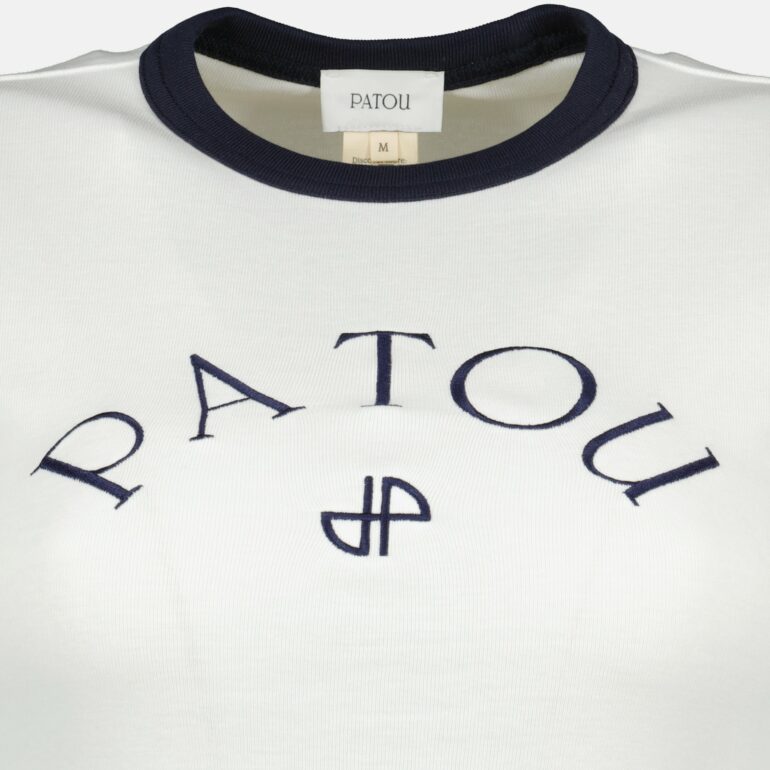
LVMH’s insatiable appetite for historic fashion gems seems to have reached its limit. In a move that confirms a strategic shift for the world’s leading luxury goods group, the Patou fashion house is leaving the Avenue Montaigne fold. Far from being an isolated case, this separation marks the return of the Parisian label to the hands of the man who had once orchestrated its sale: businessman Dilesh Mehta. Through his holding company, Nirvana Investments LLC-FZ, this key figure in the fragrance industry is regaining majority control of a brand he had sold to the Arnault family in 2018. While the financial details of the deal remain confidential, the symbolic significance of this transaction resonates as a rejection of an era when the accumulation of secondary brands served as a driver of growth.
The End of the Accumulation Cycle for LVMH
LVMH’s divestment from Patou is part of a particularly active wave of divestitures, marking a sharp departure from the group’s reputation for its historical reluctance to part with its assets. This divestment spree began dramatically with Marc Jacobs, whose shares were transferred to WHP Global and G-III. The momentum continued with the sale of Off-White to Bluestar Alliance, followed by the return of the Stella McCartney brand under the full control of its eponymous founder. Even the most high-profile successes no longer seem safe, as increasingly persistent rumors point to a possible sale of Fenty Beauty, the cosmetics brand launched in partnership with Rihanna. By parting ways with Patou, Bernard Arnault’s group appears to be rallying around its most profitable pillars, setting aside turnaround projects that are more labor-intensive or less strategic in the long term.
For Dilesh Mehta, this takeover is anything but a blind gamble. The founder of Nirvana Brands and Designer Parfums has been offered a second chance to steer the fate of a brand he helped keep afloat before its acquisition by the French luxury conglomerate. His enthusiasm—expressed through his commitment to continuing the brand’s development with a long-term vision and deep respect for its heritage—is a testament to his undiminished ambition. Mehta is no novice when it comes to managing complex portfolios. His empire has been built on the management of licenses and proprietary brands with diverse identities, ranging from established names like Ghost and Cerruti 1881 to massive celebrity-driven commercial successes, such as the fragrances by Ariana Grande and Jennifer Lopez. His expertise also extends to the distribution of prestigious fragrances on behalf of Guy Laroche, Gant, Aigner, and Paloma Picasso. With Patou, it has acquired a crown jewel—a fashion house whose historic prestige offers an elegant counterpoint to its activities, which are more geared toward “mass-prestige.”
The Legacy of Jean Patou: A Century of Haute Couture
To understand the significance of this acquisition, one must delve into the history of the house, founded in 1914 by Jean Patou. A flamboyant and visionary figure, he left his mark on interwar Paris before dying prematurely in 1936. After his death, the brand became a testing ground for the greatest talents of the century, with its artistic direction helmed by names that would later redefine global fashion: Marc Bohan, Karl Lagerfeld, and Christian Lacroix. Despite this exceptional pedigree, the house went through a period of deep lethargy, remaining completely inactive for three decades. This prolonged slumber only ended with the impetus of LVMH and the appointment of Guillaume Henry seven years ago. The designer faced the daunting task of breathing fresh, accessible modernity into a “Sleeping Beauty” that had lost touch with the contemporary market.

Guillaume Henry’s departure last February marked the end of a cycle of rebuilding. Under his leadership, the brand regained international visibility, building on a joyful aesthetic and a wardrobe designed for everyday wear. This “reawakening” phase helped establish a distribution network that now includes about 100 retail locations worldwide. Efforts have been particularly focused on Asia, a key region for contemporary luxury, where Patou has successfully established a physical presence by opening company-owned boutiques in South Korea and Japan. These regional footholds now form the foundation upon which Dilesh Mehta intends to build the next chapter of the brand’s journey, free from the shadow cast by the global luxury giant.
A New Business Model for the Parisian Brand
Patou’s return under the umbrella of Nirvana Investments raises questions about the development model for mid-sized fashion houses. Under LVMH, the brand benefited from colossal logistical and financial clout, but also had to meet the immediate growth and profitability demands typical of large publicly traded conglomerates. Freed from these constraints, the fashion house could explore more agile paths. Dilesh Mehta, drawing on his experience in the beauty and licensing sectors, has a natural advantage: perfume. Historically, Jean Patou was as much a fashion designer as he was a genius perfumer, the creator of the famous “Joy.” Mehta’s expertise in this field could become the financial driving force behind the fashion division, creating a synergy that LVMH—despite its resources—may not have considered a priority to further develop for this specific brand.
Patou’s future now hinges on its ability to maintain its image as a Parisian fashion house while optimizing its global commercial infrastructure. The challenge will be to preserve the aura of its original haute couture heritage while adapting to the fast pace of today’s market, without the safety net provided by the Arnault group. With an already operational distribution network and restored brand recognition, the brand has significant strengths. The current management transition, though discreet regarding its technical details, signals a commitment to stability. The fact that the former owner is returning to the business suggests an intimate understanding of the organization’s strengths and weaknesses—a valuable advantage for navigating a rapidly changing fashion landscape. Patou is thus embarking on a new chapter in its centuries-old history, confirming that in the luxury sector, regained independence is sometimes the ultimate luxury.