
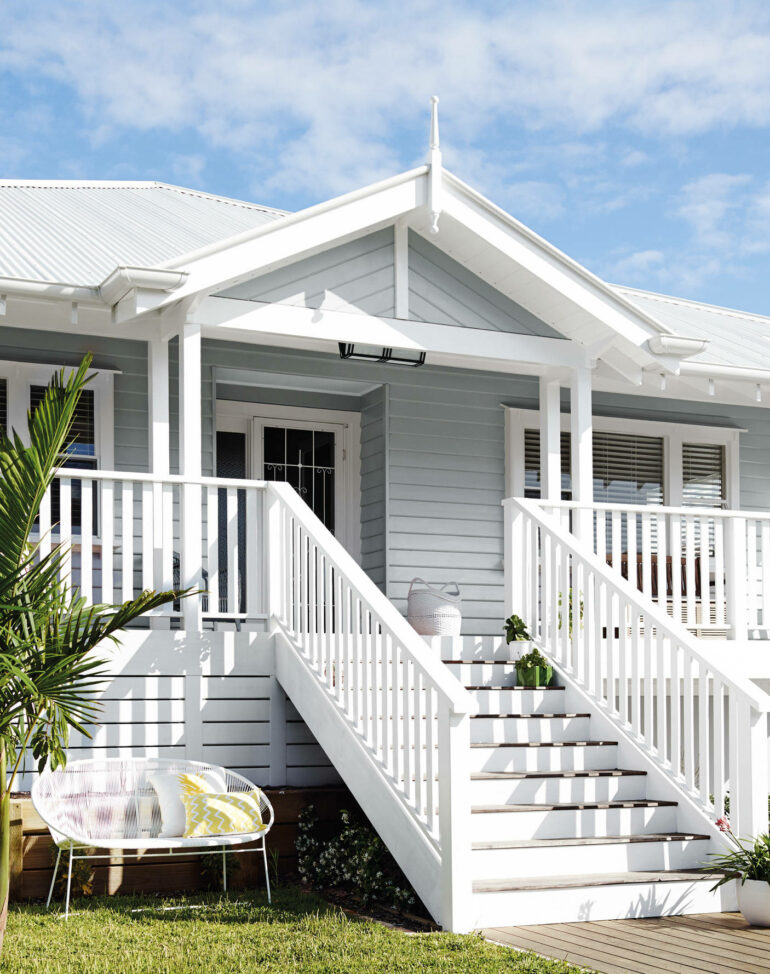
When the low-angled light of late summer begins to stretch shadows across the dunes of Long Island, another side of the Hamptons reveals itself to those who know how to stray from the beaten path of mass tourism. Far from the hustle and bustle of congested thoroughfares, there are still pockets of quiet where the spirit of the 1950s and 1960s seems to have been frozen in time. Back then, modernist architects like Andrew Geller designed bold silhouettes facing the Atlantic, while Jackson Pollock and Willem de Kooning found in the seclusion of these shores the raw material for their dazzling paintings. Today, this quest for breathing room and authenticity guides travelers to three unique havens, nestled between still bays and the ocean’s surf.
The Living Legacy of the Pioneers in Water Mill and Sag Harbor
The artistic legacy of the Hamptons isn’t found solely in history books; it can be physically experienced in the architecture and institutions that dot the region. In Water Mill, the Parrish Art Museum stands as the guardian of this creative legacy. Beneath its roofs bathed in natural light, works by Joan Mitchell, Pollock, and de Kooning engage with the surrounding landscape, reminding us that this land was first and foremost a sanctuary for the avant-garde. It is here, in this building with its elongated lines, that one comes to understand the unbreakable link between the island’s topography and the abstraction that revolutionized modern art.
Just a stone’s throw away, Sag Harbor cultivates a radically different spirit—that of a town of sailors and yachting enthusiasts where community life thrives year-round. The village defies seasonal stereotypes thanks to places like The Church. This former religious building, transformed into a multidisciplinary cultural center, celebrates local artists through performances and exhibitions, embedding culture into everyday life. Sag Harbor is a destination for connoisseurs of simple yet discerning pleasures. Stop by Sag Harbor Books, an independent bookstore the size of a matchbox, whose shelves are overflowing with signed copies and bibliographic rarities impossible to find elsewhere.
For a midday break, Carissa’s Bakery offers a bright setting where crisp baguettes and artfully designed pastries are piled high. The best option is to take your treats to the park overlooking the bay for an impromptu picnic with a view of the sailboats. If the evening calls for more Latin-inspired flavors, Tutto il Giorno restaurant opens its lush terrace to serve linguine with clams in an atmosphere reminiscent of the Italian coast. The hospitality scene is also taking on a new look with the opening of Faraway. Spread across buildings with white-shingled facades, the property features a sleek nautical aesthetic—blending navy and cream—and a pool offering breathtaking views of the harbor’s activity.
Shelter Island: A Celebration of Discretion
Tucked between the northern and southern tips of Long Island, Shelter Island is worth the effort to reach. Here, the pace slows instantly as soon as you step off the ferry. Unlike neighboring resorts where luxury cars parade noisily about, the island stands out for its near-total absence of traffic and the atmosphere of a preserved fishing village. You might occasionally hear the distant rumble of private jets dropping off passengers at the mansions of East Hampton, but on Shelter’s winding roads, tranquility reigns supreme. The quality of the island’s hotels is inversely proportional to its size.
Among the top destinations, The Chequit has recently been renovated, offering a contemporary take on a New England seaside inn. On the other side, André Balazs’s famous Sunset Beach has a more Mediterranean feel, with its rooms in sunny shades of yellow that seem to have been miraculously transported from the French Riviera. It is on this island that you’ll find the region’s most intimate dining spots. At Léon 1909, meals are prepared over a wood fire in a space reminiscent of a majestic barn, while Marie Eiffel Market is the morning gathering spot for coffee and a croissant enjoyed right on the pier, with your feet almost in the water.

Amagansett and the Art of Everyday Living
A hamlet within East Hampton, Amagansett embodies the most relaxed and “low-key” version of local luxury. Here, ostentation has no place. On Main Street, major international brands give way to boutiques with carefully curated selections. La Garçonne, a branch of the famous New York brand, offers pieces by Dries Van Noten, Toteme, and Sofie D’Hoore for a well-structured vacation wardrobe. Right next door, artisanal craftsmanship takes center stage at Sabah, renowned for its handmade Turkish slippers, or at 180 the Store, whose white building—reminiscent of a chic beach cabana—houses a selection of home goods chosen with impeccable taste.
Local cuisine in Amagansett celebrates fresh, unprocessed ingredients. On the outskirts of town, Amber Waves and Balsam Farms display crates of sweet corn, fresh basil, wild arugula, and wildflowers. It’s these raw ingredients that are often showcased at Il Buco Al Mare. The younger sibling of the New York institution, this wood-paneled restaurant serves mushroom focaccia and local clams in a cozy setting that extends onto a terrace. For a quick coffee, regulars—among whom you might occasionally spot a few local celebrities—flock to Jack’s Stir Brew Coffee on Amagansett Square, a green space surrounded by restaurants and shops where you can grab an outdoor burger at Doubles.
The Amagansett experience is defined by your choice of accommodations, often designed as a personal retreat. The Roundtree Beach House, for example, offers a chance to immerse yourself in a classic 1960s-style home—low-slung and elegant—provided by the neighboring hotel. Guests have access to bicycles to explore the pristine beaches, an outdoor barbecue, and a hammock strung between the trees, offering the independence of a vacation rental combined with the service of a luxury hotel. In East Hampton itself, The Hedges Inn has just reopened under the leadership of Sarah and Andrew Wetenhall. This 19th-century building, with thirteen rooms, has been completely redesigned with playful, “preppy” interiors. Butlers are on hand to ensure guests’ comfort, notably arranging their trips to the stretches of fine sand for an evening spent gazing out at the vast ocean.
In this triangle formed by Sag Harbor, Shelter Island, and Amagansett, summer never really comes to an abrupt end. It stretches out in a leisurely pace of life that prioritizes the quality of the experience over the quantity of social appearances. Whether you choose to retreat to a modernist home or follow the rhythm of the tides on a wooden pier, the Hamptons retain this power to help you disconnect—for those who know how to read between the lines of the landscape. Luxury here no longer lies in brand names, but in the ability to rediscover the primordial silence of the Atlantic pioneers.