
Make Texture a preferred source on Google to support us
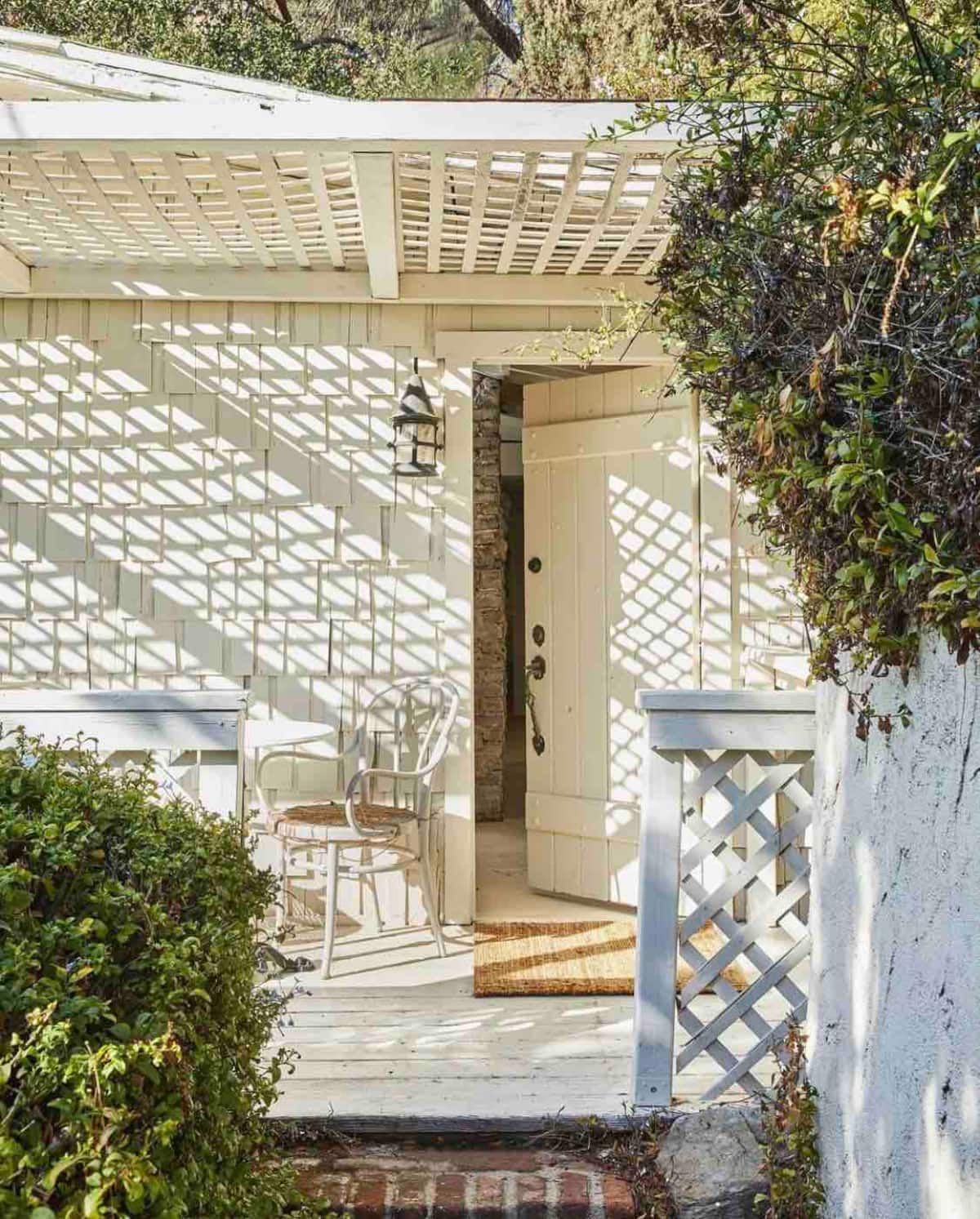
Add Texture to GooglePerched on the hills of Los Angeles, the Flamingo Estate spans seven acres of lush gardens and terraced orchards. This bastion of the Californian art of living, led by Richard Christiansen, recently opened the doors to its private collection for an event titled “The Great Estate Sale.” From September 24 to 27, 2026, this pop-up sale offered an immersion into the brand’s aesthetic, blending haute couture furniture, props from their “Prop Closet,” and a selection of gourmet foods and skincare products. Far from being a simple clearance sale, the event showcased a collection of unique objects—often featured in the brand’s editorial campaigns—that are now scattered among private collectors.
Radical Design and Domestic Sculptures
At the forefront of this selection was a major piece in the history of Italian design: the UP7 sculptural armchair, better known as “Il Piede” (The Foot). Designed in 1969 by Gaetano Pesce for B&B Italia, this work crafted from molded polyurethane foam defies the conventions of traditional furniture. With its imposing dimensions (80 cm high by 160 cm deep), this hybrid object—a blend of pop art and surrealism—was among the most closely scrutinized lots in the auction. Although the price of this specific piece was not publicly disclosed, its status as a “one-of-one” in the estate’s archives made it the centerpiece of the auction.
The dialogue between organic forms and industrial materials continued with the Corallo armchair, a 2004 creation by brothers Fernando and Humberto Campana for Edra. This hand-bent steel wire lattice illustrates the estate’s ability to integrate sophisticated design pieces into a natural setting. More delicate in nature, glassware also took center stage with a monumental Murano glass bowl, crafted using the Sommerso technique. This sculptural piece, featuring a gradient of aqua blue, amethyst, and pink encased in crystal, had been repurposed by the brand’s design studio to serve as a soap dish during photo shoots.
The Art of Tea and Postmodern Aesthetics
Tableware constituted a significant portion of these archives, with a particular focus on the Memphis movement and luxury craftsmanship. A complete coffee set, designed by Ettore Sottsass for Lagostina in the 1980s, was offered for $1,500. Part of the Accademia collection, this mint-green metal set with anthracite handles embodies the geometric precision and humor of postmodern design. In contrast to this chromatic precision, a tea set by Mexican artist Salvador Terán, crafted from hammered brass and orange glass mosaics, highlighted Flamingo Estate’s roots in a global tradition of craftsmanship.
French porcelain was also represented by a set from Haviland Limoges. The “Torse” model, characterized by its twisted white ribs, was priced at $750 for a four-piece set. Other, more eclectic lots rounded out the collection: a ceremonial Himalayan teapot inlaid with turquoise and coral, Art Deco silver-plated pieces displaying a deliberately worn patina ($325), as well as painted ceramics by Robert Picault and plates signed by Nanette Vacher.

From the “Prop Closet” to the gourmet deli’s stockroom
Alongside these collectibles, the sale offered access to the brand’s inventory with discounts of up to 60%. Products that have made the brand famous, such as the “Heirloom Tomato” liquid soap, were offered in their glass bottles at special prices ($20 instead of the usual $70). This section of the sale also featured skincare items such as Euphoria hand soap, as well as scented candles, including the Prinsesstårta variety.
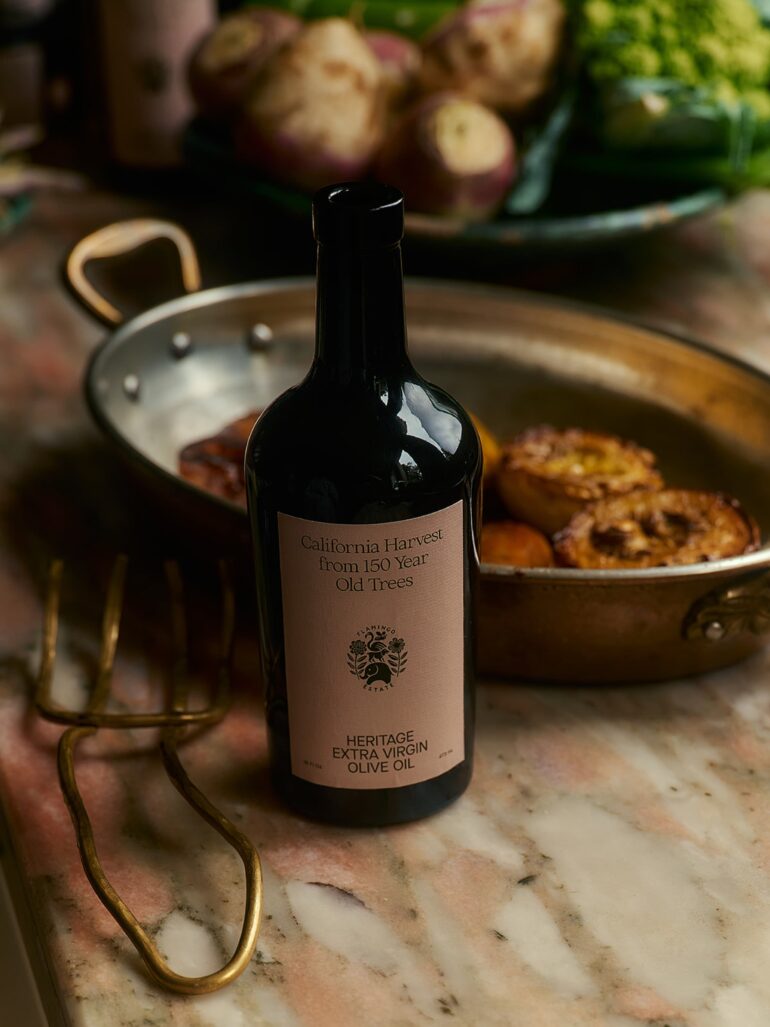
The gourmet segment of the event highlighted rare delicacies sourced from the estate’s harvests or through exclusive partnerships. Connoisseurs were able to purchase private-reserve white truffle olive oils or exceptional honeys, such as Dzidzilché honey from Yucatán and Himalayan honey. Although these products are seasonal, they help shape the vision of Flamingo Estate, where every condiment is treated with the same care as a work of art.
Details of an Exclusive Sale
Organizing “The Great Estate Sale” proved to be somewhat complex. While the general principle was based on the uniqueness of the items from the “Prop Closet,” the methods of purchase varied depending on the nature of the objects. For the Haviland or Sottsass tableware sets, fixed prices were clearly listed on the online platform, allowing for immediate purchase. However, for the largest or most expensive pieces, such as the Gaetano Pesce sculpture or the Murano glass bowl, potential buyers were invited to contact a private concierge service via the email address concierge@flamingoestate.com to arrange pickup in Los Angeles or secure delivery.
This hybrid approach underscores the brand’s commitment to maintaining a direct connection with its clientele, while managing the complex logistics involved with fragile or oversized items. Although the sale officially closed at the end of September 2026, certain items remained viewable on the Flamingo Estate website, a testament to the richness of these archives accumulated over the course of Richard Christiansen’s creative seasons. This first major sale marks a milestone in the brand’s strategy, which transforms its home decor accessories into true objects of desire for lovers of design and California culture.