
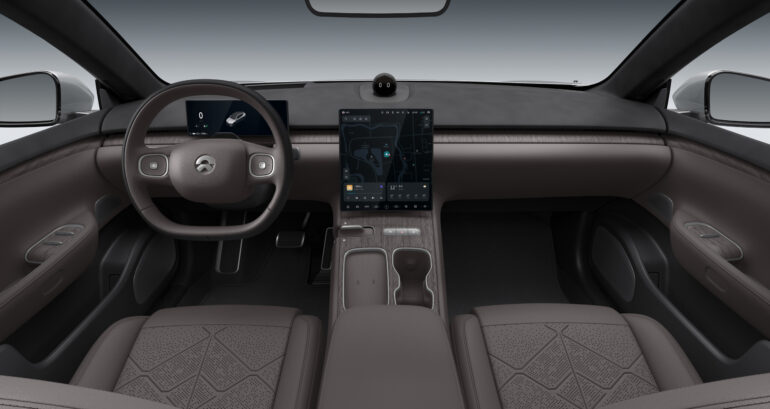
Aged leather, meticulously finished chrome, and the deep rumble of an engine have long been the only credentials needed to reign supreme in the world of high-end automobiles. For decades, purchasing a prestigious vehicle was tantamount to buying a piece of history—a direct link to the golden age of European auto racing. But the tide has turned with a brutality that few boards of directors had anticipated. Today, a finicky touchscreen or a mediocre charging time is enough to ruin the reputation of a model costing over 100,000 euros. The luxury market no longer tolerates technological shortcomings disguised as heritage. Faced with this paradigm shift, historic brands are reeling, while a new generation from Asia is completely redefining the standards of comfort and exclusivity.
The Violent Clash Between Myth and Financial Statements
The order books of certain European automakers tell the story of a silent descent into hell, a far cry from the spotlight of their past successes. The drop in production volumes illustrates a cruel rejection by a clientele that now refuses to overpay for an aura that isn’t accompanied by flawless ergonomics. Data compiled by the NZZ reveals the scale of the upheaval at Jaguar. The British firm, which was happily selling more than 180,000 units a year before the health crisis brought the global economy to a standstill, is now struggling to find buyers for its vehicles. Projections for 2024 have plummeted to approximately 27,000 vehicles sold worldwide.
The picture is hardly any brighter on the other side of the Alps. Maserati, whose annual production exceeded 50,000 cars just five years ago, is seeing its market share dwindle to almost nothing. The ANSA news agency reports a meager delivery volume for 2024, capping out at 11,300 units—less than half of the 26,600 cars shipped the previous year. This sales slump has automatically led to a dramatic drop in revenue, plummeting from 2.335 billion euros to just over one billion. The daily newspaper Le Monde confirms this alarming trend by detailing the results for the first half of 2024: a 58% drop in sales, a 50% cut in revenue, and an operating loss that has widened to 82 million euros.

When Rising Prices Meet a Poor User Experience
This financial debacle is not merely a temporary blip. It reflects a pricing policy deemed out of touch with the reality of the product. Premium automakers in Europe have gotten into the habit of aggressively inflating their price tags, banking on buyers’ irrational attachment to their brand names. Yet today’s affluent car owner is more like a demanding tech enthusiast than a nostalgic gentleman driver. They scrutinize the frequency of over-the-air software updates, gauge energy efficiency down to the kilowatt, and demand a navigation experience as seamless as that of the latest smartphone. The prestige of the brand name can no longer mask the archaic nature of the in-vehicle operating systems.
Internally, the assessments are clear-eyed and at times scathing. Carlos Tavares has pointed the finger at the strategic missteps that have tarnished the Trident’s image. In addition to communication campaigns deemed ineffective, the practice of excessive discounts granted by the dealer network has seriously undermined the notion of scarcity inherent in luxury. The Italian firm’s transition to electric vehicles has not ignited the spark that was hoped for. The gap is painful: the long-standing customer base, raised on the roar of the V8 engine, shuns these new, silent powertrains, while the affluent younger generation—which now dictates trends—finds no distinctive selling point likely to draw them to the Modena-based brand.
The British Clean Slate: A Gamble on a Blank Slate
With its back against the wall, Jaguar’s management has opted for a turnaround strategy of unprecedented radicalism in the automotive industry. The total and immediate discontinuation of the current lineup has sent shockwaves through the industry. The brand has decided to go into a commercial hiatus, putting its present on hold in an attempt to save its future. This giant leap into the unknown is set to culminate this fall with the highly anticipated unveiling of the 01 electric sedan. This new flagship will have the daunting task of winning over a radically younger audience, one with no preconceived notions about the British brand’s past.
This gamble does little to mask the urgent need for a profound financial restructuring. The rescue plan involves drastic cost-cutting measures, including the elimination of 4,000 administrative positions, which reduces the overall workforce by about 9 percent. The industrial strategy is also being reshaped away from British factories. Maintaining profit margins on key models, such as the Defender, will rely on Stellantis’ North American infrastructure. The goal is clear: to protect against exchange rate volatility and circumvent increasingly punitive tariff barriers.

The Asian Offensive: Speed as a New Weapon of Seduction
While Europeans debate the best way to manage their legacy, a new industrial elite is emerging in China. Names once unknown in luxury circles—such as Nio, BYD, Denza, or even the smartphone giant Xiaomi—are setting a breakneck pace. Their secret lies not in mastery of metallurgy, but in digital agility and vertical integration. The NZZ highlights a staggering structural advantage: while a European automaker takes four to five years to design a new vehicle, these new players complete their development cycles in just twenty-four months.
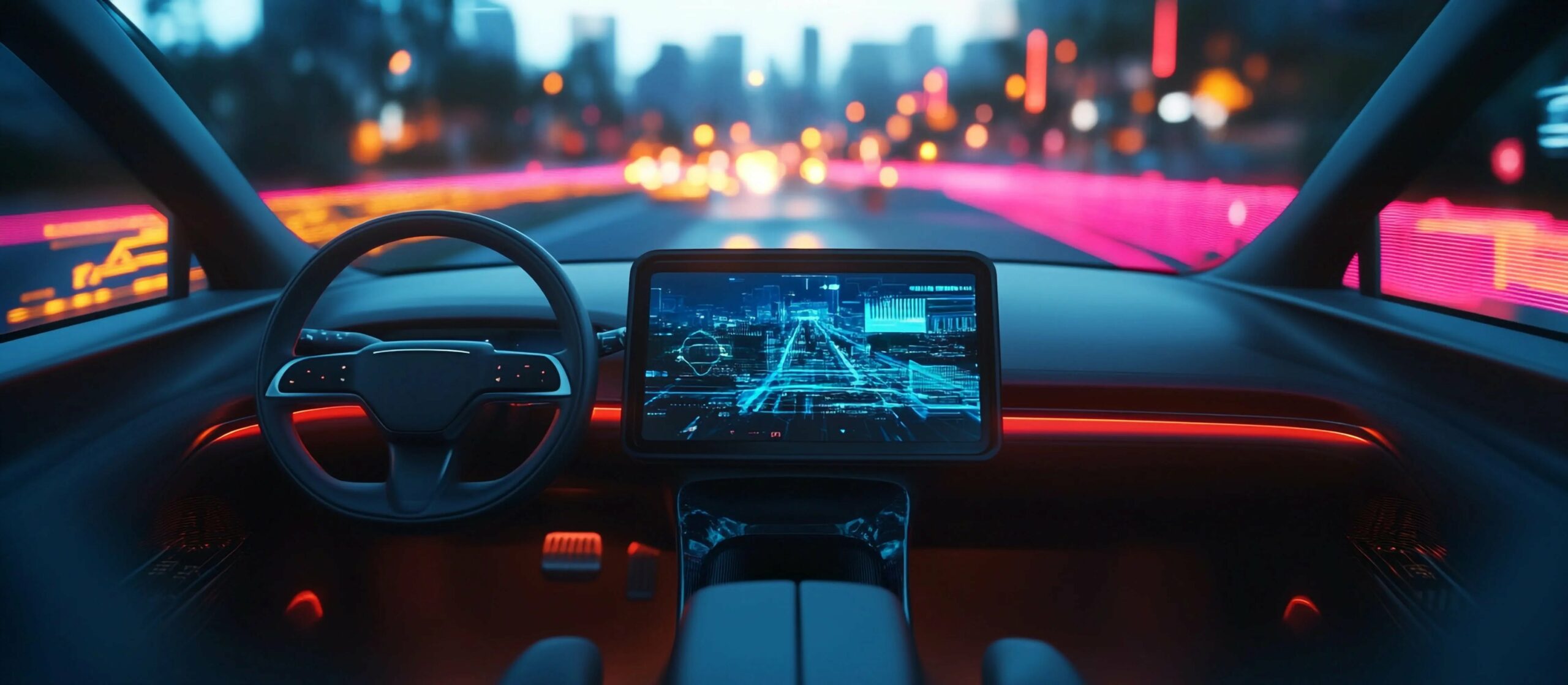
The interior is no longer conceived as a cockpit, but as a physical extension of the digital living space. Rear-seat comfort, as well as the size and responsiveness of passenger-facing screens, take precedence over traditional aerodynamic considerations. BYD, for example, relies on its absolute dominance in the critical sector of battery manufacturing. Coupled with lean corporate structures and massive support from local governments, this technological mastery allows the company to offer aggressive pricing, capable of absorbing the imposition of new European tariffs without batting an eye.
The Italian Dilemma and the Specter of Dilution
While Jaguar is attempting a bold, solo push into electric vehicles, Maserati appears to be exploring other avenues to ensure its survival. The time for misplaced pride is over; now is the time to explore pragmatic alliances. Reports from Reuters indicate that negotiations are underway with Huawei as well as with JAC, the parent company of the luxury brand Maextro. The nature of these discussions suggests several possible scenarios, ranging from the outright integration of Chinese technology into an Italian-built vehicle to the marketing of vehicles with a dual identity.
The coming months promise to be decisive. In December, Antonio Filosa is set to unveil the new strategic direction that will determine whether Maserati can still claim technological independence. The luxury industry finds itself facing a particularly harsh reality. Blindly clinging to a century of racing victories is almost a surefire path to obsolescence. But agreeing to outsource the digital brain of its vehicles to foreign powers amounts to a form of capitulation. The legacy of these century-old brands—which until recently justified even the most exorbitant prices—has become dead weight that they will have to learn to shed if they hope to survive this new digital era.