
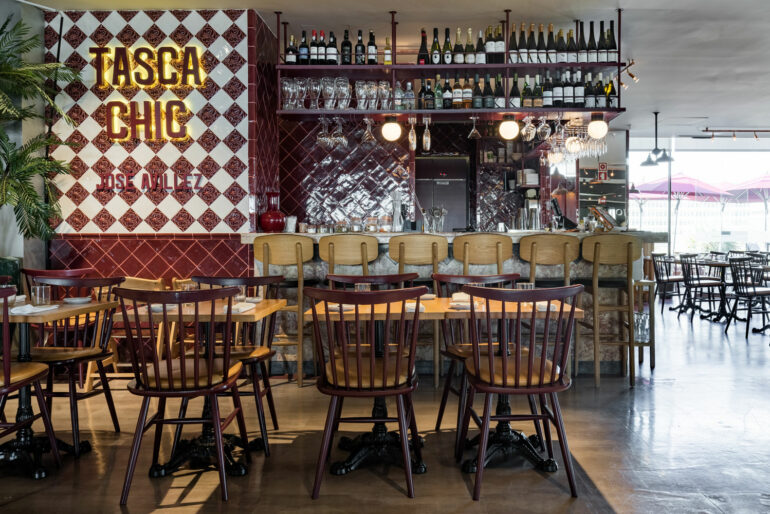
When Lisbon becomes the epicenter of a global reflection on the art of living, the most relevant answers aren’t necessarily found in hushed conference rooms, but rather in the winding, steep alleyways where the city comes alive. On the occasion of a summit dedicated to quality of life in the Portuguese capital, attention turned to the city’s most organic and resilient aspects. To capture the essence of this Portuguese hospitality, a guide was needed who could navigate between the high standards of fine dining and the authenticity of local cuisine. José Avillez, a leading figure in local culinary entrepreneurship, took on this role as a guide to explore a heritage often overshadowed by fleeting trends: that of the tascas.
The Tasca as a Social Ecosystem
The term itself evokes a simplicity that might, at first glance, seem unremarkable. Yet these laid-back establishments form the backbone of Lisbon’s culture. A tasca is not defined by formality or spectacle, but by its function as an urban refuge. For the most part, they are establishments on a human scale, run as family businesses passed down through the generations. This family-oriented character, noted by José Avillez during his journey through the city, is not merely a folkloric trait; it is an economic and social model that has endured for decades without losing its soul.
In these places, service does not follow standardized protocols. It is based on a sense of spontaneity and warmth that defines a major part of Portuguese identity. The dishes served, rooted in an unpretentious national culinary tradition, tell a story of local ingredients and recipes passed down through generations, far removed from globalized marketing concepts. When viewed through the eyes of a chef and an entrepreneur, it becomes clear that the tasca is much more than just a neighborhood tavern; it is the guardian of historical continuity within a rapidly changing metropolis.
A Lesson in Sustainable Hospitality
One of the most striking aspects of this immersion alongside José Avillez lies in the unexpected modernity of these traditional establishments. While the luxury and restaurant industries grapple with the concepts of sustainability and responsibility, the tascas have been intuitively practicing these principles for as long as anyone can remember. Family-run businesses naturally entail a long-term vision, resource efficiency, and a deep respect for the life cycle of products. Herein lies a valuable management lesson for the hospitality sector.
Sustainability, in this context, is not limited to environmental certifications. It is embodied in the enduring nature of social bonds and in the ability of these places to remain accessible and essential to the local community while welcoming passing visitors. José Avillez highlights this duality: the tasca is a laboratory for what might be called “creative hospitality.” This creativity is not manifested through a pursuit of technical complexity in the kitchen, but through ingenuity in the way guests are welcomed, space is optimized, and an atmosphere of immediate well-being is created—often with modest resources.

Reinventing the Entrepreneurial Model
For an entrepreneur of José Avillez’s stature, taking a close look at Lisbon’s tascas amounts to reexamining the very foundations of his own profession. These establishments demonstrate that quality of life—the central theme of the conference that inspired this exploration—is intimately linked to the preservation of these spaces of authentic conviviality. They offer an alternative to the impersonal or overly formulaic models of hospitality found in many major European capitals.
The lesson is clear: the future of hospitality and service design could draw inspiration from this economy of kindness and this sense of geographical closeness. By highlighting his favorite spots, the chef offers not only a culinary guide but a genuine reflection on what makes a city vibrant and livable. The tascas, through their ability to maintain an authentic Portuguese culinary experience and a relaxed atmosphere, stand out as pillars of urban resilience. They prove that the luxury of tomorrow will undoubtedly lie in this form of authenticity, where the restaurateur’s craft rediscovers its original purpose: to nourish and bring people together, without pretense.
The journey that began in the streets of Lisbon concludes with a clear insight: creativity in the hospitality and restaurant industry does not always consist of inventing new norms, but sometimes of rediscovering the power of those that already exist. By observing how these family-run businesses operate, we can glimpse the contours of a hospitality industry that is more human, more deeply rooted, and, by definition, more sustainable. It’s a lesson that the Portuguese capital continues to teach anyone who takes the time to sit down at a table in one of its countless tascas.