
Make Texture a preferred source on Google to support us
Add Texture to GoogleWhat remains of the price of a luxury item when it changes hands? This question is of equal interest to both the brands and their customers. In the secondhand market, value is renegotiated, sometimes far removed from the price set at the time of the initial sale. This second price becomes a barometer: it provides insight into demand, the persistence of desire, and a product’s ability to retain its appeal. The partnership between Deda Stealth and Trove aligns with this perspective on luxury. Behind the integration of their technologies lies a key objective: to enable brands to regain control over the commercial life of their creations once they leave the store.
Luxury customers also buy secondhand
This statistic challenges the distinction between buyers of new items and fans of secondhand goods. According to the report “The State of Fashion: Face to Face with Luxury Clients 2026,” published by The Business of Fashion and McKinsey & Company, up to 59% of regular luxury customers also regularly buy secondhand items. The secondary market, therefore, is not limited to an audience that luxury brands are seeking to win over. It is already part of their existing customers’ habits.
This overlap changes the scope of a resale program. For a brand, it can serve as a gateway to new consumers, but it can also extend an existing relationship. The initial transaction is no longer the only commercial moment to consider. What happens to the product next—how it is presented and the price at which it finds a new buyer—becomes part of the brand’s narrative.
The scale of this phenomenon, however, extends beyond the luxury sector. The “Resale Report” by ThredUp and GlobalData projects that the global secondhand apparel market will reach $393 billion by 2030, or approximately 348.7 billion euros, growing twice as fast as the overall apparel market. In the United States, it is expected to reach $78.8 billion. These projections cover the entire sector: they illustrate the momentum of the trend, without providing an estimate for the luxury segment alone.
Taking Back Control, Without Dictating Value
It is against this backdrop that Deda Stealth, a Gruppo Deda company specializing in software and services for the fashion and luxury industries, is partnering with the American firm Trove. Trove develops technologies that enable brands to build and operate their own resale programs. According to data provided by the two companies, Trove captures more than 75% of U.S. traffic for “branded resale”—that is, resale organized under the brands’ own labels. This is an indicator of market presence in this specific segment, not to be confused with a share of total secondhand sales.
The partnership highlights a tension inherent in the secondary market. A brand wants to preserve its positioning, but it cannot ignore the prices at which its products are actually being sold. Displaying a value and meeting demand are two different things. The value of the announced tools lies in this connection: observing the actual market to inform decisions made within a brand-controlled resale channel.
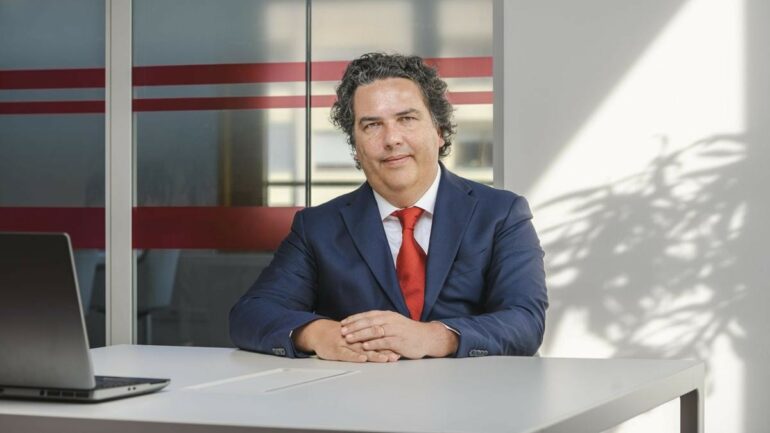
Luca Tonello, CEO of Deda Stealth, thus argues that the secondhand market can enhance the value of luxury rather than undermine it. In his analysis, brands that engage in this space gain an additional avenue for building relationships with consumers. This position stems from a strategic choice: viewing the circulation of products as an activity to be supported, rather than as a phenomenon external to the brand.
From Market Monitoring to Resale
Specifically, the agreement calls for connecting Trove’s platform to Stealth Revalue, the secondhand and recommerce market intelligence tool developed by Competitoor. The division of roles distinguishes analysis from execution. Stealth Revalue tracks prices, demand, and changes in the value of products already in circulation. It thus provides the necessary insights to understand what happens beyond the initial sale.
Trove handles the operational side: collecting and evaluating used items, managing the brand’s resale channel, and circular logistics. Its technology also includes dynamic pricing powered by artificial intelligence. The system thus aims to link market insights to the operations that enable a product to be put back on the market.
This link is crucial to the partnership’s logic. Having information on demand does not have the same impact depending on whether it remains merely an observational tool or can guide a commercial offering. Conversely, organizing collection and resale without taking into account market values would leave part of the problem unaddressed. The announced integration seeks to bring these two dimensions together.

A price also shapes the brand’s image
In the luxury sector, the issue is not merely about determining the amount that will trigger a transaction. Price contributes to the product’s positioning; its presentation is equally important. Terry Boyle, CEO of Trove, specifically identifies preserving appeal and recognizing artisanal craftsmanship as key challenges in this second commercial life. He believes that partnering with Deda Stealth’s analytical capabilities will give brands greater control over how their pieces are reintroduced to the market.
This desire for control should be distinguished from a promise to maintain prices. The tools described are intended to help make decisions aligned with demand, not to shield products from market fluctuations. The distinction is important: the partnership signals the ability to steer the process, not a guarantee of future value.
The choice of an American partner also aligns with Gruppo Deda’s expansion in the United States. The group recently opened an office in New York and established a dedicated management structure for North America. The agreement with Trove thus fits into a strategy of expanded presence in a market where branded resale already has a measurable audience.
What This Opportunity Can Teach Designers
Perhaps the most interesting perspective lies not in the next sale, but in the process of designing future products. Data collected on items currently in circulation can indicate which models and materials retain their value best. The secondary market thus becomes a source of information for design and production decisions, rather than simply an additional sales channel.
This approach builds on Deda Stealth’s work on circularity, particularly through the Monitor for Circular Fashion. This multi-stakeholder project benefits from the scientific input of SDA Bocconi’s Sustainability Lab and tracks the evolution of circular models in fashion each year. The partnership with Trove provides this initiative with an operational extension focused on resale.
One key distinction remains: simply knowing that a material or design retains its market value is not, in and of itself, sufficient to establish an environmental benefit. The agreement presented focuses on commercial tools and data analytics. Its concrete impact could, however, extend even to collection decisions: providing design teams with insights into the products that customers continue to seek out long after they first go on sale.