
Make Texture a preferred source on Google to support us
Add Texture to GoogleThe Grammar of the Gaze Put to the Test of Speed
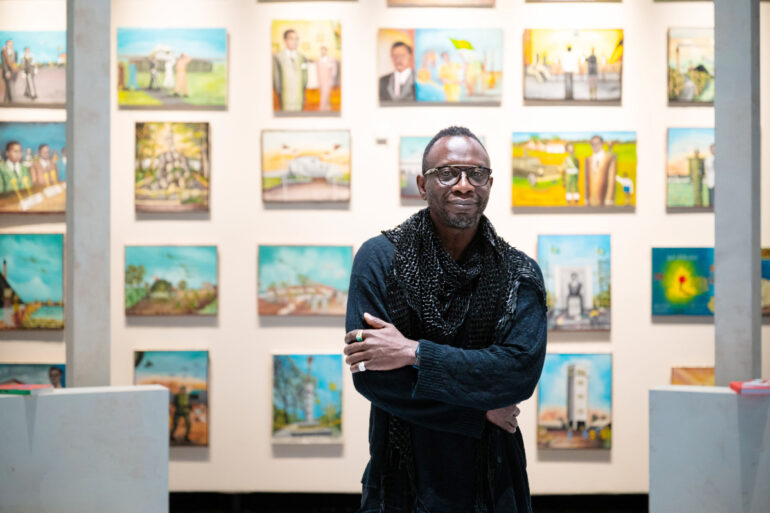
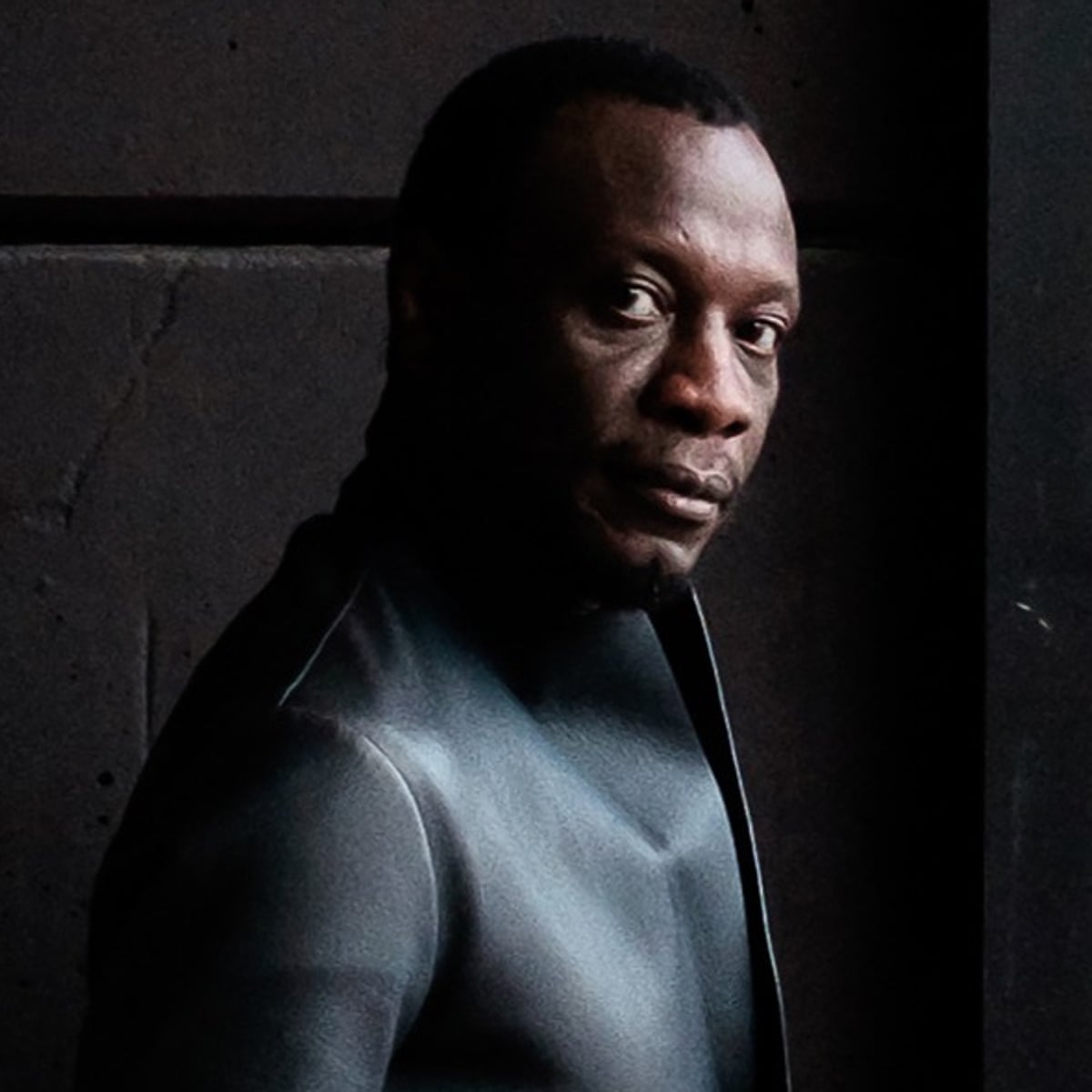
The mechanics of our perception have been irrevocably transformed. Our grasp of reality, once shaped by direct physical experience, now passes through the ceaseless filter of visual production. This clinical observation is not merely a sociological one but forms the foundation of a radical institutional rethinking currently taking shape in the Gulf. The Qatar Museums have just decided on the guiding principle for their next major cultural event: the fourth edition of the Photography Biennial, titled Tasweer 2027, will be curated by Nigerian curator Azu Nwagbogu. The significance of this appointment extends far beyond the mere restructuring of the organizational chart. It signals a determination to confront head-on the crisis of attention that is affecting our relationship with the image.
The new artistic director’s assessment moves away from backward-looking laments about the loss of the artwork’s materiality. He acknowledges an immediate reality: photography is no longer a frozen fragment; it has become a fluid medium. The central issue is no longer the rarity of representation, but rather the control of its deluge. Azu Nwagbogu identifies a relentless dynamic that alters the very substance of photography. The exponential acceleration of dissemination clashes with a dizzying massification of content. Added to this unprecedented scale is a chronic instability in transmission channels, altering the reach and meaning of works in real time. The image, subject to this continuous transformation, risks semantic evaporation if it is not anchored by a framework of thought capable of slowing its momentum.
Creating Zones of Deceleration
In the face of sensory overload, the curatorial proposal envisioned for 2027 takes the opposite approach to rapid consumption. The stated ambition is not to keep pace with the frenetic flow of images, but to devise mechanisms of resistance. The goal is to devise novel approaches that impose a pause. According to the new curator, the urgency lies in restoring three faculties threatened by the flow: reflection, memory, and re-reading. Re-examining an image requires acknowledging that it possesses a complex syntax, layers of meaning that elude the first glance. It is an act of rebellion against the logic of uninterrupted scrolling.
This philosophy of deceleration will find an unexpected setting for its implementation. For the very first time since the event’s inception, the biennial will be held at the Museum of Future Arts in Doha. The clash between the discipline of photography—which fundamentally involves capturing the immediate past—and an institution focused on the future signals a strong stance. Through this choice of venue, Qatar Museums signals that photography does not belong solely to the realm of the archive or mere historical record. It is viewed as a tool for anticipation, a seismograph capable of detecting the tremors of decades to come. Exhibiting photography in a space dedicated to the future amounts to conferring upon it a predictive role, making it the raw material for future societal narratives.
Boldness as a Curatorial Compass
Azu Nwagbogu’s vision rejects the notion of an exhibition perceived as a mausoleum of market-validated works. He conceives of Tasweer not as a static display, but as an organism in perpetual motion. The biennial must function as a living space, a laboratory where visual language is dissected, tested, and reinvented through engagement with the public. This rejection of the showcase is accompanied by a harsher demand—a non-negotiable condition for the event to resonate beyond the circles of insiders. The curator grounds his entire mandate in a spirit of uncompromising integrity, which he describes as intellectual and moral audacity.

Linking morality to the artistic direction of a photography biennial is a bold move that breaks with the often feigned neutrality of major international events. This dual requirement suggests that aesthetics cannot be separated from the responsibility of those who produce and disseminate images. Presenting morally daring photography means committing to questioning the blind spots of the global narrative. It means using the lens to challenge cognitive biases, rejecting sanitized representations, and taking clear-cut stances. In an era marked by polarized discourse, the art of the exhibition, under Nwagbogu’s leadership, is once again becoming a site of intellectual friction—a space where the viewer’s visual comfort must be deliberately disrupted.
Doha, a Crossroads of Decentered Perspectives
The geography of this biennial plays an integral role in reshaping critical balances. By establishing itself as a vital conduit, Tasweer transcends its original function as a local cultural hub to claim the status of a structuring platform on a regional and global scale. The biennial stands as a strategic convergence point, a place where the visual grammar of the Middle East comes face-to-face with aesthetics from elsewhere. This positioning makes the Qatari capital an epicenter where new artistic alliances are forged, bypassing the traditional gateways of Western metropolises.
The choice of a curator from Nigeria to lead an institution in a Gulf state perfectly illustrates this dynamic of decentralization. It establishes a South-South axis of great intellectual vitality. The event connects a dense network of visual culture practitioners—from field photographers to contemporary artists and image theorists—fostering an unprecedented exchange between art scenes that had previously viewed one another from a distance. Doha does more than simply provide a platform for foreign creators; it orchestrates the collision of perspectives. Tasweer 2027 thus promises to be a space for translation and confrontation, actively shaping the way images will circulate and be interpreted in the future, with the rigor of a mindset that refuses to succumb to the vertigo of immediacy.