
Make Texture a preferred source on Google to support us
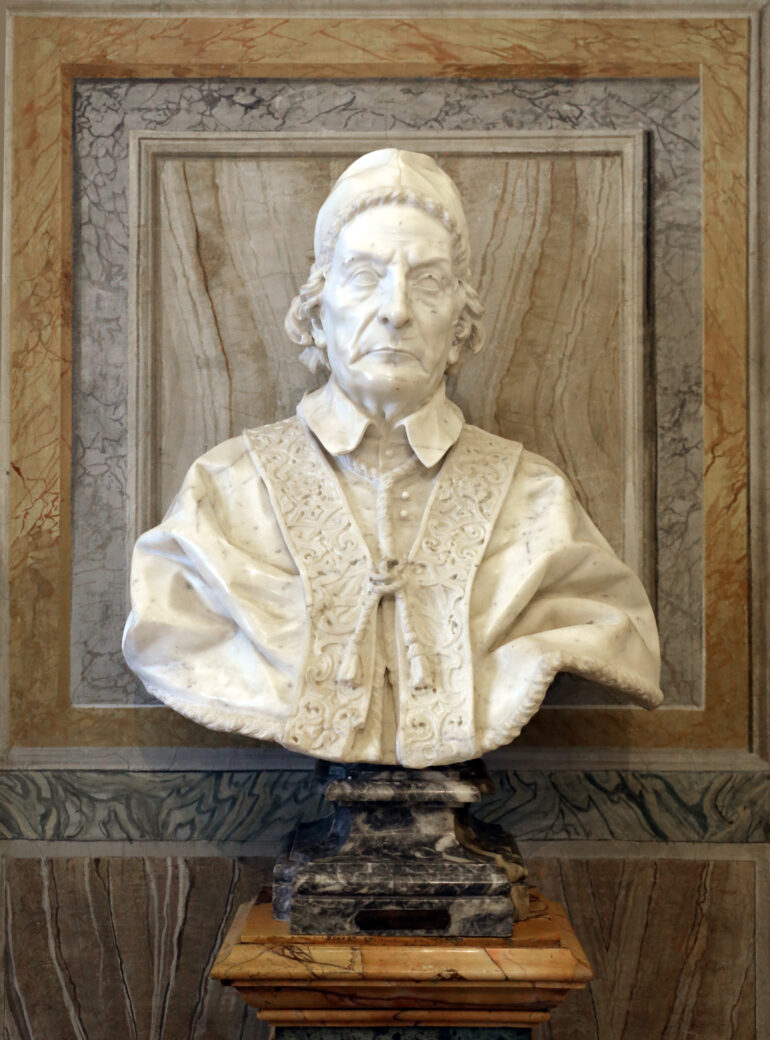
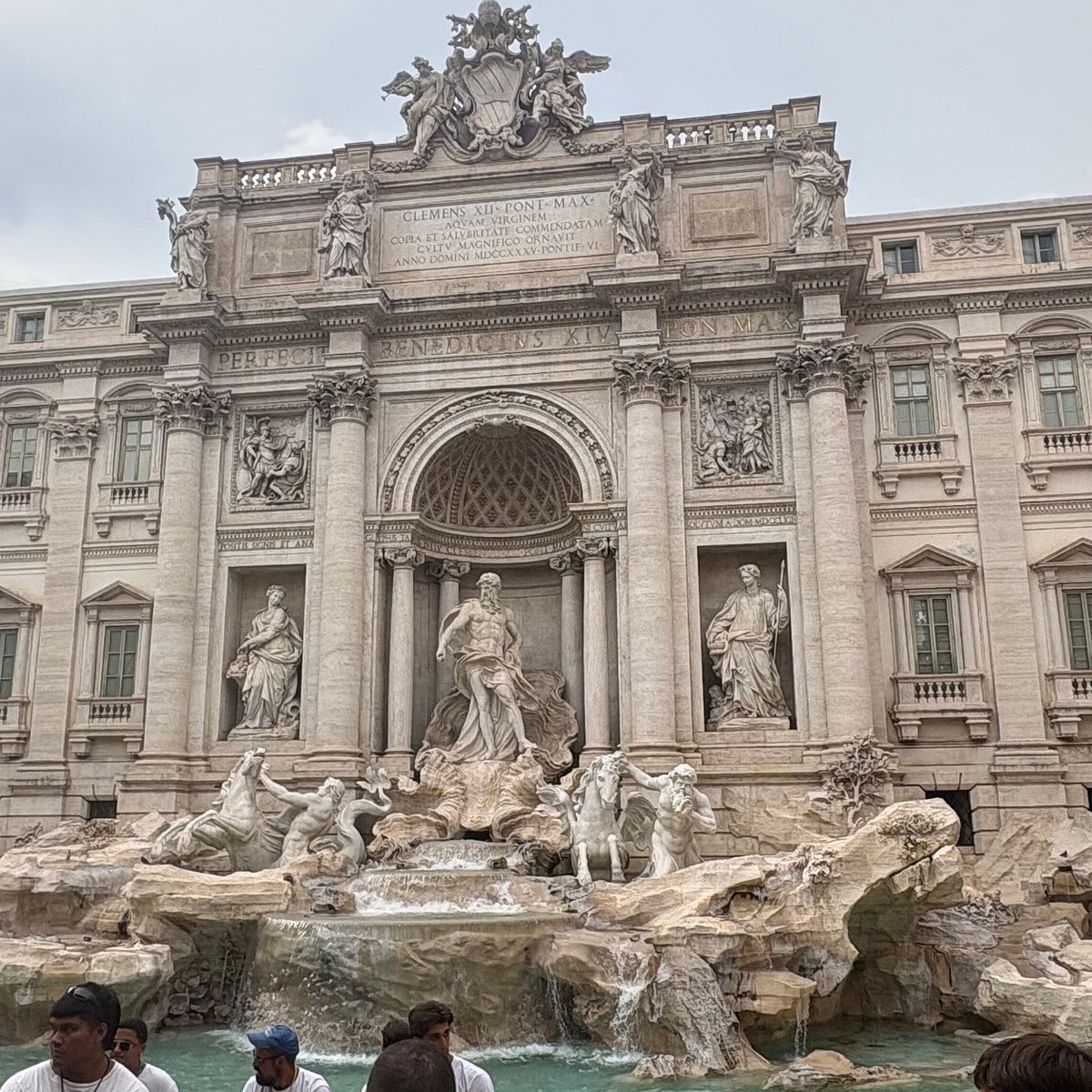
Add Texture to GoogleAmid the dust of a recycling yard in Wiltshire, among the stone slabs and secondhand garden ornaments, lay a major piece of Roman Baroque art. What had initially been identified by the site’s operators as a mundane concrete garden statue, weathered by decades spent outdoors, turned out to be a marble “modello” of rare historical significance. Acquired for the paltry sum of 300 pounds by a craftsman with a keen eye, the work is now attributed to Pietro Bracci (1700–1773), a renowned sculptor best known for the monumental figure of Oceanus on the Trevi Fountain in Rome.
A unique testament to a lost monument
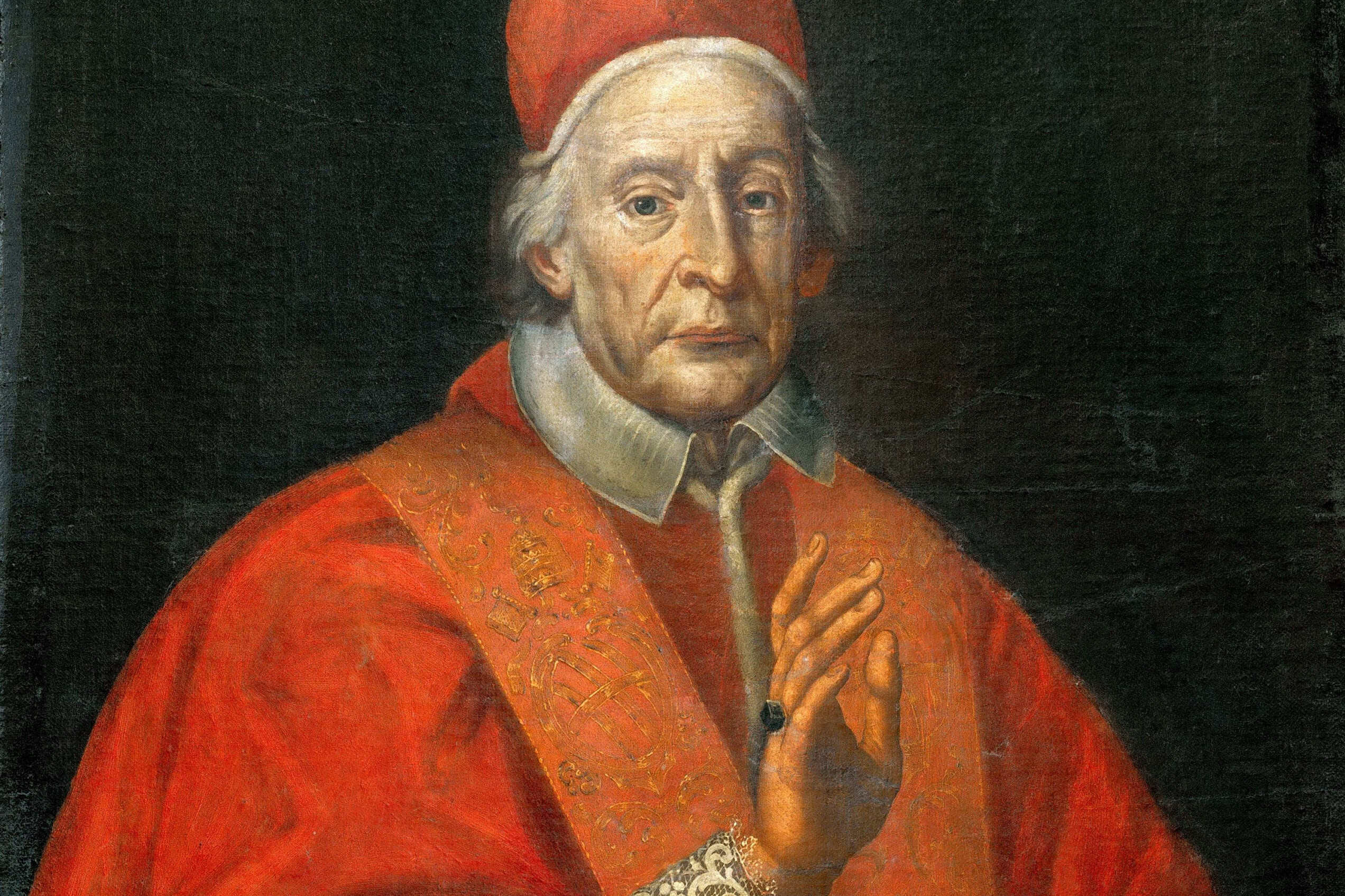
This sculpted model, 68 centimeters tall, depicts Pope Clement XII Corsini seated on his throne. Beyond its intrinsic quality, its value lies in its status as a survivor of art history. Around 1736, Bracci created this preparatory model for a monumental bronze statue intended for the Palazzo Nuovo on the Capitoline Hill in Rome. The commission, undertaken under the auspices of the Roman Senate, was intended to commemorate the pontiff’s generosity toward the Capitoline Museums. The final bronze statue, cast by Francesco Giardoni, met a tragic fate, however: erected as a public tribute, it was moved and then melted down in 1798, under the French-inspired Roman Republic, to recover the metal.
Until this discovery in the English countryside, the visual record of this lost monument relied solely on an engraving by the brothers Stefano and Rocco Pozzi. This marble work is thus the only surviving three-dimensional model of the original commission. Although the surface of the stone bears the marks of prolonged exposure to the elements—a patina and erosion characteristic of a long period outdoors—the power of Bracci’s composition remains intact.
Expertise in the Face of the Erosion of Time
The shift from shadow to light became apparent during the examination of the piece by the Salisbury-based auction house Woolley & Wallis. Mark Yuan-Richards, a specialist at the firm, was able to identify distinctive marks during the appraisal, even though the original buyer was unaware that the sculpture was signed. This attribution places the work within the body of work by Pietro Bracci, a leading figure of the late Baroque period, whose talent shaped the aesthetics of 18th-century Rome.
It should be noted, however, that while the attribution is based on the rigorous work of the auction house’s experts, it has not yet been validated by an independent academic publication or a committee of external experts. This crucial stage in the life of a rediscovered work contributes to the fascination it holds for the international market.

The Mystery of the British Provenance
How did a model of this significance, designed for the Holy See, end up in a scrapyard in Wiltshire? The work’s history remains partly shrouded in mystery. We know that it was kept for about fifty years in the garden of a country house near Andover, in Hampshire, before ending up with a dealer in salvaged materials.
While the theory that a British aristocrat acquired it during his “Grand Tour” in the 18th century—or that it was a diplomatic gift—is frequently put forward to explain the presence of such treasures on British soil, these theories remain, for now, undocumented historical speculations. The statue’s recent history is one of a misunderstanding: mistaken for a modern mass-produced item, it nearly disappeared for good under the label “concrete” before the keen eye of an attentive collector suspected its true marble nature.
A Highly Anticipated Event on the Art Market
The sculpture will be offered at auction by Woolley & Wallis during the Fine Furniture & Collections sale scheduled for October 7 and 8, 2026. Listed as Lot 470 for the October 8 session, the work carries a conservative official estimate of between 5,000 and 10,000 British pounds (approximately 6,000 to 12,000 euros). This estimate takes into account the piece’s condition, which has been affected by its prolonged exposure to English gardens.
However, the excitement surrounding this rediscovery suggests a much more intense bidding war. Given the rarity of Bracci’s works on the market and the historical significance of this testament to a lost monument, some projections suggest a final bid could reach 100,000 pounds sterling (approximately 120,000 euros). Such a result would confirm the renewed interest in the masters of the Italian Baroque and definitively transform its current owner’s 300-pound investment into one of the most successful deals in the recent history of British “salvage yards.”