
Make Texture a preferred source on Google to support us
Add Texture to GoogleBurgundy has long been trapped in a somewhat static, almost sepia-toned image: one of heavy velvet drapes, dimly lit dining rooms tucked away at the back of dusty cellars, and a staid luxury that seemed unchanging. But among the rows of vines, the tide is turning. A new generation of aesthetes, architects, and entrepreneurs—hailing from Norway, Singapore, and Paris—has embraced the region’s heritage to offer a radically contemporary interpretation of it. This revival does not seek to erase the past, but to free it from its clichés, allowing the stone, wood, and local craftsmanship to breathe. Between Meursault and Gilly-lès-Cîteaux, the welcoming landscape is reinventing itself under the impetus of individuals who have chosen to trade the hustle and bustle of city life for the slow rhythm of the wine-growing seasons.
Local Roots as an Architectural Manifesto
In Meursault, the opening of Maison Le Chevreuil in September 2026 marks the culmination of a project led by an international quartet. Trond Fredheim, a former aviation professional born in Norway, teamed up with two Danes and a German to breathe new life into a local institution. This building, where locals once celebrated communions and weddings, had fallen into a state of dormancy before its purchase in 2022. The challenge was significant: to restore the soul of the place without resorting to a contrived historical reconstruction. To achieve this, Fredheim enlisted the help of the Beaune-based architectural duo Aubin Prost and Johanna Leserre. Their directive was one of absolute simplicity and almost monastic rigor: every material and every craftsman had to come exclusively from Burgundy.
The result is a ten-bedroom house that rejects preconceived color palettes, allowing its immediate surroundings to dictate its hues. The exposed limestone walls complement the clay-plastered ceilings, while the smoked oak of the woodwork pays a subtle homage to the grapevines surrounding the property. In the bathrooms, the shower stalls are finished in a deep burgundy, evoking the region’s primary industry. Johanna Leserre emphasizes that the design was not imposed but rather “chose” the designers, drawing on organic forms and raw textures. The large rear terrace, restored to use by Fredheim, once again becomes the heart of the home—a space where Saturday lunch stretches out to the rhythm of the sun, far removed from the standardized norms of traditional luxury hospitality.
Revitalizing Heritage Through Design
A few kilometers away, the Château de Gilly has embarked on an equally profound transformation under the leadership of Alice and Jérôme Tourbier. After two decades of searching for the ideal location in Burgundy, the founders of Caudalie’s hospitality division set their sights on this historic building in 2022. Now known as Les Sources de Vougeot, the property moves away from the conventions of traditional hospitality to embrace a more fluid and intellectual aesthetic. The involvement of Atelier Saint-Lazare, a highly sought-after Parisian design firm, has infused the space with a touch of modernity without compromising the original features: monumental stone fireplaces and hand-painted beams now coexist with a collection of books on the art of winemaking and vintage posters celebrating local festivals.
The centerpiece of this transformation lies underground. The Tourbiers had the audacity to install an indoor pool in a vaulted cellar where, centuries ago, Cistercian monks stored their wines to keep them cool. The water reflects the medieval architecture, creating a rare sensory experience that links well-being to the sacred. This approach, which uses ingredients derived from the winemaking process for its treatments, is part of an overall effort to highlight the “sense of place.” Burgundy has no shortage of châteaux, but it sometimes lacked that understated “coolness” that now attracts a cosmopolitan clientele. The trend is underway: groups such as COMO, Château la Commaraine, and Bellevigne are joining this bustling hotel scene, proving that the terroir has become the new playground for international brands.
A Cuisine of Movement and Sharing
While accommodations are evolving, Burgundy’s culinary scene is following the same path toward greater accessibility. People no longer come just for the Michelin-starred restaurants and their starched white tablecloths. A new, more spontaneous culinary dynamic is taking root in the villages. Romain Tischenko, former chef at the Parisian bistro Le Galopin, and his partner, sommelier Ioulia Gourieva, perfectly exemplify this shift in energy. After falling in love with the region during a grape harvest season at a winemaker friend’s estate, they decided to settle there. Their project, Ràde, takes the form of a pop-up restaurant set up during the summer in the gardens of the Chandon de Briailles estate in Savigny-lès-Beaune. It features cuisine prepared on the spot, served under parasols, with an emphasis on unprocessed ingredients and direct interaction with the winemaker.

This buzz is spreading even to local shops. In Gilly-lès-Cîteaux, the bakery Chez Charles has regained its role as a community hub thanks to a partnership between three entrepreneurs: a baker, a café owner, and a wine merchant. People buy their sourdough bread there before heading a few villages down the road to Saint-Romain for a cup of coffee. It’s here that Matt McClune, originally from the United States, has set up his micro-roastery, Saint Romain Coffee. In his tiny workshop, open only two days a week, he roasts Ethiopian beans with the precision of a winemaker. For him, Burgundy’s deep-seated love of wine paradoxically makes it easier for people to embrace specialty coffees with complex and delicate notes. The appreciation of terroirs—whether for vineyards or coffee—is rooted in the same intellectual rigor.
A Culture of Life as a Vision
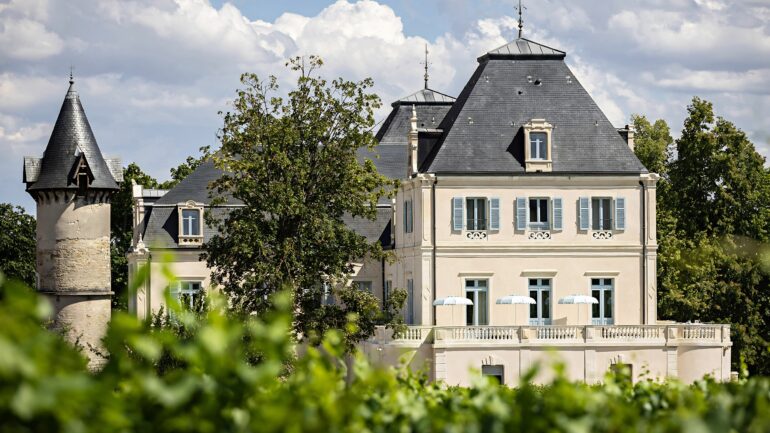
The region’s appeal today lies in its ability to blend an exceptional architectural heritage with a more sustainable and embodied worldview. Frédéric Biousse, co-founder of the Fontenille collection, recognized this when he opened the Château de Cîteaux in Meursault. This Napoleon III-style mansion, recognizable by its blue shutters, stands out for its elegant extravagance: a library of 5,000 volumes from Gallimard lines the wooden staircase, offering a literary respite between tastings. It’s another way of experiencing luxury, where culture and space take precedence over appearances.
This new vitality is fueled by an influx of international visitors, as well as by young people from France and abroad who choose to stay on after the harvest. Estates like Domaine Dandelion, founded by a Franco-Australian duo passionate about natural wines in Mavilly-Mandelot, demonstrate that Burgundy is also a testing ground for agriculture that respects living organisms. The region’s success is no longer measured solely by the value of its grands crus on global markets, but by the energy these newcomers bring to keeping alive the spirit of a millennia-old terroir. As Matt McClune observes when watching his customers, it is this positive energy and unbridled creativity that are now convincing young talents to put down lasting roots among the hills of the Côte d’Or.
Travelers venturing into Burgundy today discover a destination that has managed to preserve its strong identity while remaining open to outside influences. Whether sleeping beneath the glazed roofs of Meursault or sampling the creations of a nomadic chef, the feeling is the same: that of a region which, while respecting its ancestors and traditions, has finally decided to live in the present.