Make Texture a preferred source on Google to support us
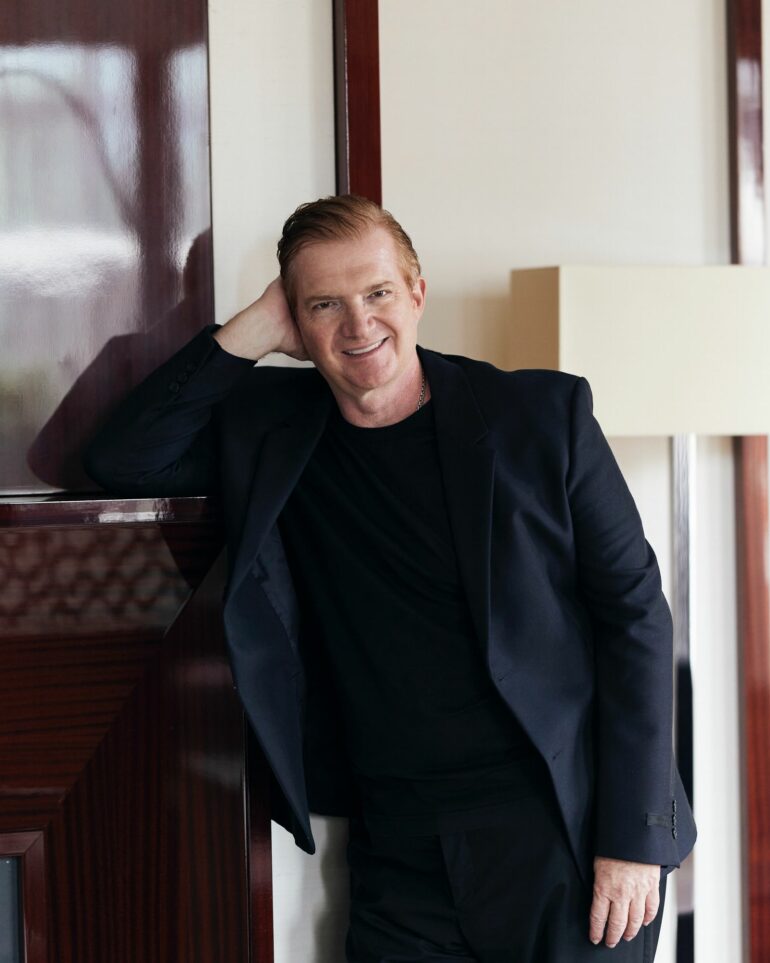
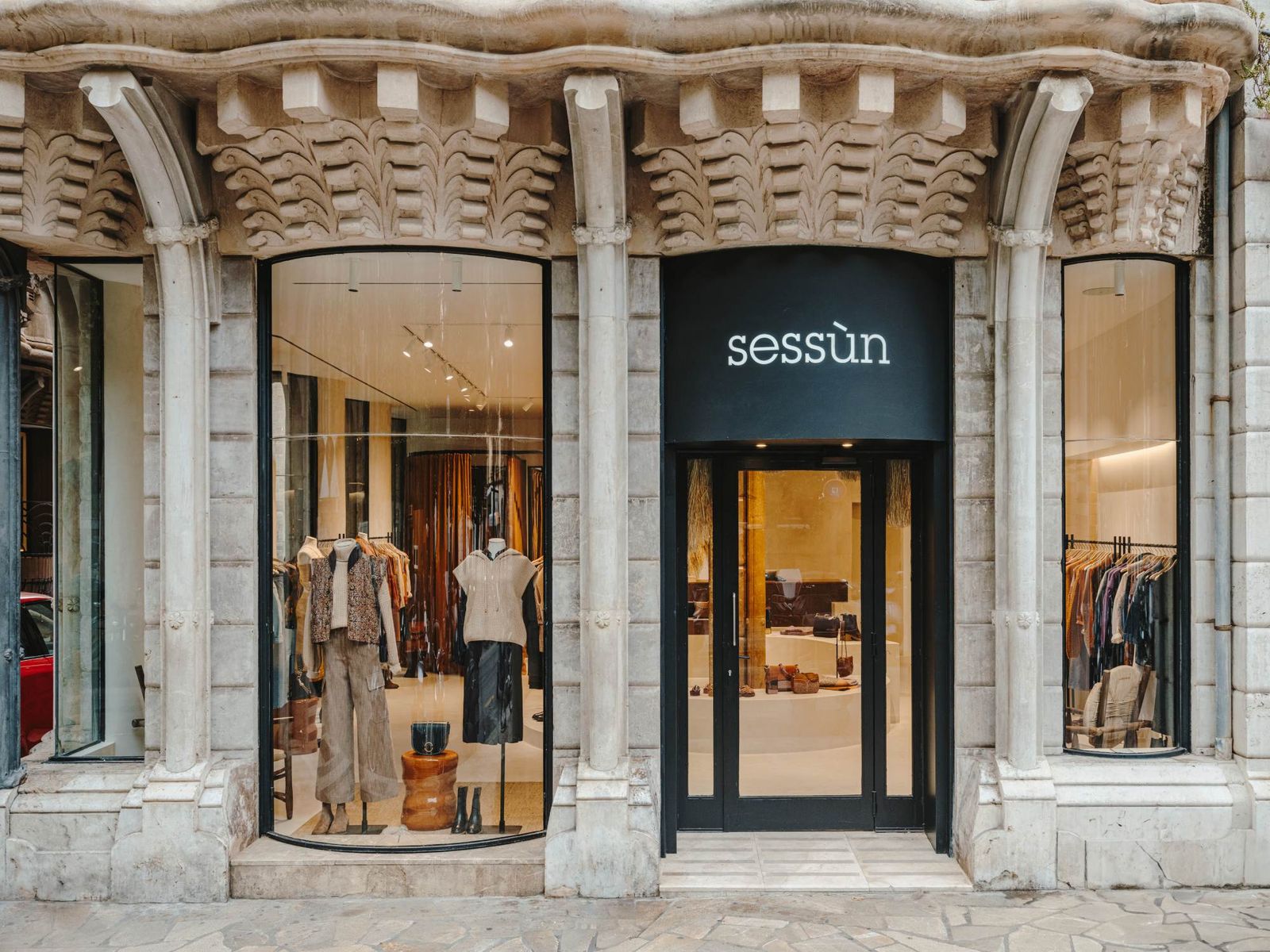
Add Texture to GoogleTo grow the “Made in Italy” brand, Alessandro Binello is also looking to France. The CEO of Quadrivio Group points out an advantage there that is less spectacular than a creative signature but decisive for an investor: better organization of in-store sales. The group, which has acquired the Les Secrets de Loli shampoo brand and the Sessùn label, finds room for comparison there. Its assessment of Italian companies centers on this gap between the strength of the product and the means to bring it to market. There is no shortage of talent. It is the ability to scale up that becomes the key issue.
The prestige of origin isn’t everything
Binello’s perspective on the luxury sector dispels a comforting notion: that of an industry that could simply wait for a return to its old ways. In his view, the rules have changed profoundly. To speak only of a crisis in fashion is to frame the problem incorrectly. A brand can no longer rely on the mechanisms that once secured its place in the market, nor assume that its reputation alone will be enough to sustain demand.
From this perspective, “Made in Italy” remains a valuable asset, but only if it is treated as a strategy rather than a standalone selling point. Origin must be part of a coherent offering, backed by a company capable of producing, communicating, and selling it consistently. The challenge, therefore, is not to choose between identity and growth. It is to give this identity the means to reach beyond its home market without losing its distinctiveness.
This is where the comparison with France becomes particularly relevant. Binello highlights the superior organization of French brands in the retail sector. For Italian companies, this observation usefully shifts the focus of the discussion: international expansion also hinges on how the brand engages with its customers in-store. Creative excellence does not exempt a brand from mastering this commercial encounter.
A customer who wants to know what they’re buying
This shift reflects a transformation in consumer behavior. Better informed and exposed to social media, consumers are less willing to make mistakes, the executive believes. They seek to understand what is being offered to them and to assess the price in relation to quality. The desire remains, but it’s accompanied by a demand for clarity. A brand with an unclear positioning makes its task more difficult.

The implications extend beyond communication alone. According to Binello, brand messaging, the production chain, and distribution must now be managed as an integrated whole. An enticing promise solves nothing if the product doesn’t back it up; conversely, a compelling product may fail to connect with the public when its presentation or distribution muddles the message. Consistency becomes an operational responsibility, not just a matter of image.
The Dondup case illustrates this tension. The brand entrusted its creative direction to Achille Lauro, a decision that Binello reports has already yielded commercial results even before the launch of the new collection. He qualifies this initial positive sign, however, with a clear caveat: the product must live up to expectations. The attention garnered does not constitute definitive validation. It opens up a possibility that must still be realized in the collection itself.
Pizza: Another Arena for International Ambition
To understand Quadrivio’s strategy, one must look beyond the fashion world. The restaurant business plays a central role in the group’s strategic choices, as evidenced by its acquisition of Alice Pizza and Osteria da Fortunata. Binello aims to expand these two brands internationally, with the same objective as in fashion: to take established businesses to the next level.
The CEO cites revenue figures in the range of 100 million for these brands. It is therefore not a matter of transforming a nascent idea into a commercial venture, but rather of organizing the next phase for businesses that have already reached a significant scale. This shift in perspective is significant. Quadrivio isn’t just looking for promising brands; the group wants to build portfolios capable of holding their own in multiple markets.
However, the international market is by no means a blank slate. Binello describes the United States, China, and the Middle East as markets that are now saturated, where the arrival of a new player is essentially a matter of replacing an existing one. To earn a place in the market, a company must convince a customer to prefer its offering over those already available to them. This requirement mirrors what is seen in the apparel industry: offering a superior product that is also easier to understand. Being Italian does not shield a company from this competition.

Two Billion to Build, Not Just Acquire
The investment program announced by the CEO puts a financial figure on this ambition: approximately two billion, for ten to fifteen new investments under consideration. The planned breakdown outlines a portfolio that extends beyond luxury apparel alone. Apparel is expected to account for around 30%, as are cosmetics. A comparable proportion would be allocated to food, while the remaining 10% would cover related activities, including design.
These figures shed light on the group’s guiding principle. From beauty to dining, Quadrivio is interested in companies whose offerings can reach an international audience, provided they have the necessary organizational structure. Size is an explicit criterion for Binello: his priority is to build international groups. Acquisition thus appears as a step along the way, not as the project’s end goal.
This ambition also leads the executive to call for more capital for “Made in Italy.” He considers investments insufficient given the market’s size. His remarks highlight a disconnect: celebrating the value of Italian companies does not equate to financing their development. Between recognizing expertise and scaling it up, resources are needed that national prestige alone cannot provide.
Growth is also fostered within teams
Money, however, is only part of the solution. Quadrivio currently has about twenty people dedicated to supporting entrepreneurs and aims to expand this team to forty. This planned doubling speaks to the complexity of the work ahead. Bringing together the demands of product development, communication, and sales under a single leadership requires skills that, according to Binello, an entrepreneur cannot mobilize alone.
The CEO also cites artificial intelligence as one of the drivers of the future, alongside communication and a strategic approach to “Made in Italy.” He does not elaborate on its specific applications. The most concrete aspect of his plan therefore remains the human element: strengthening the team tasked with helping companies take their businesses to the next level. The announced capital provides the capacity for action; the support must enable that capacity to be put to use.
It is in this area that Quadrivio’s ambition will be truly tested. For Alice Pizza and Osteria da Fortunata, the plan is to expand these already significant brands beyond national borders. For fashion and beauty brands, the goal is to better align product strength with commercial effectiveness. The planned increase in the number of staff dedicated to support—from twenty to forty—offers a first concrete indicator of this: before expanding its portfolio of investments, the group intends to strengthen the teams that will work on their development.