
Make Texture a preferred source on Google to support us
Add Texture to GoogleThe hot wind from Africa sweeps through the narrow network of alleyways, carrying with it the acrid smell of fried food and the dust from the ochre-colored palaces. Palermo offers no respite. From the very first steps on the uneven cobblestones of its historic center, the Sicilian capital imposes its own rhythm—a syncopated tempo where patrician grace collides head-on with the raw energy of the sidewalks. Forget the idealized image frozen beneath the veneer of conventional tourism. Here, decadence is lived, savored, and observed at every intersection. Travelers often arrive with the idea of a leisurely stroll among the Arab-Byzantine domes, only to find themselves swept up in an open-air theater—a space of constant friction where architectural masterpieces serve as a backdrop to stalls selling steaming food.
The Art of Excess Carved in Stone
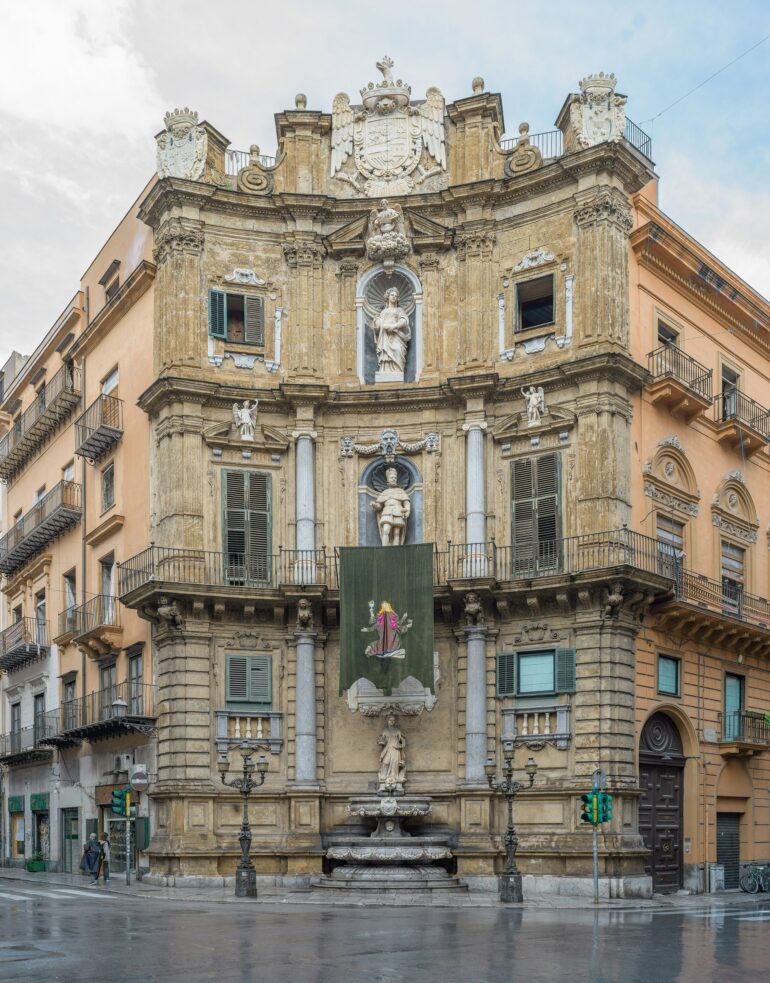
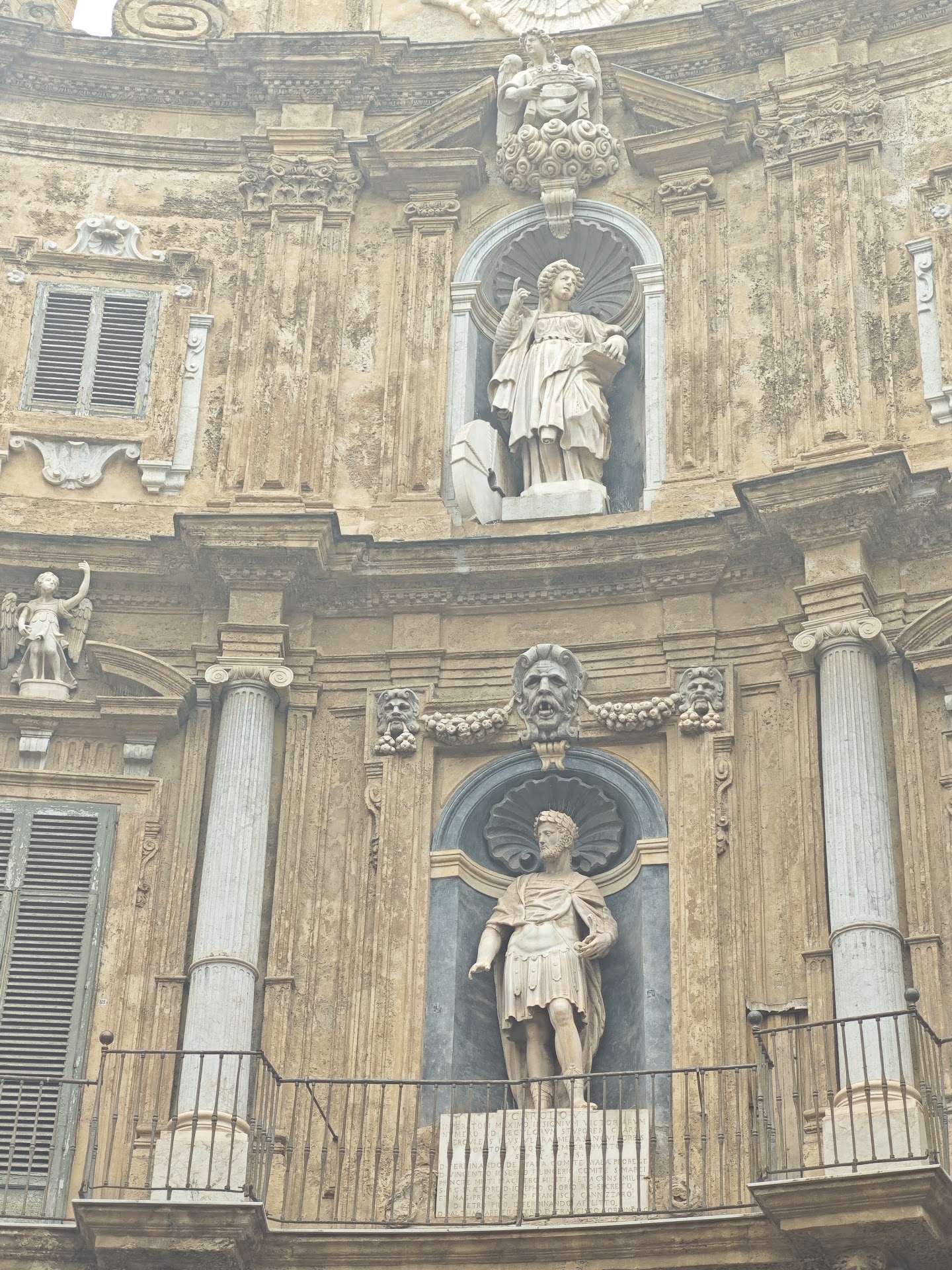
Palermo’s urban landscape finds its anchor at the Quattro Canti intersection. This monumental octagon, designed in the 17th century under Spanish influence, divides the city into four historic districts. The golden stone, weathered by the sea air, displays a dizzying verticality. From allegorical fountains representing the seasons to statues of rulers and patron saints, the façade compels you to look up and embrace the dizzying effect of an ornate design that leaves no space empty.
A few steps further on, Piazza Pretoria is home to the eponymous fountain, imported from Florence in the 16th century. The Palermitans of the time, outraged by the anatomical nudity of its gods and nymphs, promptly nicknamed it the “Fountain of Shame .” This visceral reaction reflects the city’s passionate relationship with the flesh and the sacred—a tension that permeates every street.
To grasp the pinnacle of the island’s refinement, one must step through the unassuming doors of the oratories. The Oratory of Santa Cita and that of San Lorenzo conceal explosions of white stucco behind their austere facades. At the dawn of the 18th century, Giacomo Serpotta literally reinvented the medium. His mischievous cherubs spill out from the cornices, play with the gilded frames, and seem to come alive. The illusionistic relief captures natural light and diffuses it with a milky softness, creating a bubble of silence in stark contrast to the tumult outside.
The Street as a Dining Room
While the chapels invite contemplation, the streets of Palermo claim their share of commotion. The historic markets of Ballarò, Capo, and Vucciria are not merely places to shop, but social arenas. There, vendors practice “abbanniata”—a theatrical auction with Arabic-tinged cadences, designed to extol the firmness of a swordfish or the deep red of sun-dried tomatoes. Beneath the tarps stretched between crumbling balconies, the light takes on a dramatic hue, even at high noon.
It is within this labyrinth that the local street food culture comes to life. The cuisine isn’t hidden away in the kitchen; it’s on full display, right there, sizzling on makeshift braziers right on the sidewalk. The arancina—which the people of Palermo vigorously insist is feminine, unlike on the island’s east coast—takes center stage in culinary rituals. This ball of saffron-flavored rice, fried until it develops a coppery crust, is filled with a hearty meat ragù and peas.
The city’s identity, however, is best savored in more radical dishes. Sfincione, a distant cousin of pizza, contrasts its thick crust with the tang of a tomato sauce made with onions, anchovies, and caciocavallo. At the corners of the squares, small metal carts spew boiling oil from which panelle—thin chickpea flour fritters—and cazzilli—potato croquettes seasoned with mint—are pulled out. They’re quickly drained before being tucked into a sesame bun, drizzled with a splash of hand-squeezed lemon juice.
For adventurous palates, the ultimate experience revolves around the pot of pani ca meusa. This sandwich, stuffed with pieces of veal spleen and lung slowly cooked in lard, can be ordered maritatu (topped with grated cheese) or schettu (with a simple squeeze of citrus). The vendor’s gesture—grabbing the steaming meat with a two-pronged fork before slipping it into the bread—is part of a time-honored choreography, executed with split-second precision.
Timeless sanctuaries and stately palaces
This sensory overload makes places of retreat all the more precious. The city boasts a dizzying density of aristocratic palaces, often hidden from view in public spaces. Heavy solid-wood gates conceal shaded courtyards, secret gardens smothered by century-old ficus trees, and a series of salons of unreal proportions.
The Palazzo Valguarnera-Gangi embodies this timeless splendor. It was in its Hall of Mirrors that Luchino Visconti chose to film the lengthy ball scene from *The Leopard*. The colorful majolica floor, the trompe-l’œil frescoes, and the monumental Murano glass chandeliers bear witness to an era when the Sicilian aristocracy outshone the courts of Europe with its display of wealth. Access remains restricted, available only by discreet reservation, allowing visitors to wander through rooms where the scent of a melancholic, frozen grandeur lingers.
The state-of-the-art hospitality experience skillfully balances this duality of Palermo, offering a sense of detachment without severing its geographical roots. Facing the cranes of the commercial port and the dark waters of the Tyrrhenian Sea, Villa Igiea stands as a living relic of the Belle Époque. A former sanatorium purchased and reimagined by the Florio dynasty, the building has been restored to welcome guests seeking the precision of service refined down to the millimeter. Sipping a drink under the arcades, overlooking the terraced gardens planted with lemon trees, allows you to observe the urban bustle from an almost cinematic distance.
The Fusion of Styles on the Table
The evolution of the culinary scene perfectly illustrates this tension between the gilded halls of the nobility and the cobblestone streets of the common people. Contemporary restaurants are blurring the line between street-food spirit and the sophistication of white tablecloths. Chefs are reinterpreting the island’s culinary repertoire with surgical precision. Humble seafood, such as sardines—the star of pasta con le sarde, paired with wild fennel, raisins, and pine nuts—find their way into structured menus without losing their bite.
The aesthetic of trendy restaurants follows the same trend. Diners take their seats beneath medieval stone vaults, surrounded by walls left deliberately rough to reveal successive layers of plaster and history, a glass of wine from the volcanic soils of Mount Etna in hand. The rough edges are no longer smoothed over; they become the heart of the experience.
At the end of the day, as shadows engulf the antique market in Piazza Marina, the buzz of the vendors dies down slightly. The facades of the Palazzo Chiaramonte-Steri glow in a reddish light. A few meters away, on the sidewalk, a street vendor stokes the embers of his small wheeled grill, arranging the first skewers of offal for the night. Architectural splendor and the people’s instinct for survival continue to stand face to face, inseparable, in the warmth of the evening.