
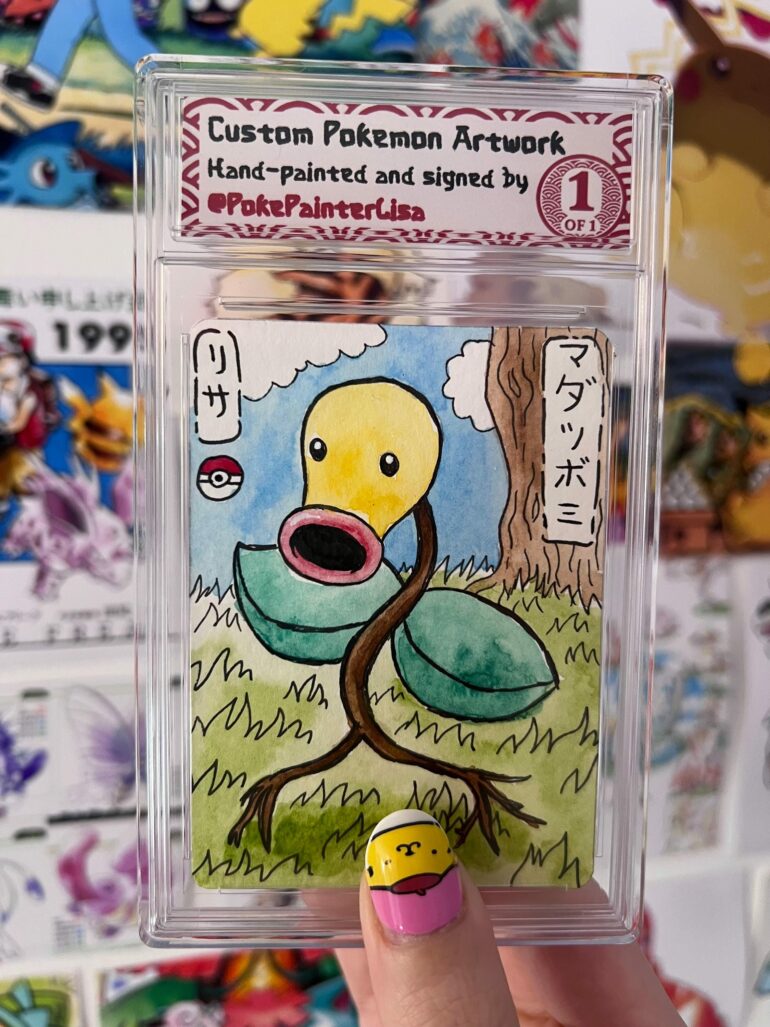
The days when acquiring a Nicolas Poussin marked the pinnacle of a collector’s life seem to be a thing of the past. On September 10, 2026, Scott Reyburn’s analysis titled “From Poussin to Pokémon: Why Attitudes Toward Collecting Art Are Shifting” highlighted a paradigm shift among the world’s wealthiest individuals. The ultra-rich are turning away from traditional fine art and 20th-century paintings to pursue more immediate assets: luxury goods and collectibles from pop culture.
The Dynamics of the Second Gilded Age
This shift in tastes is not merely an aesthetic whim. It is underpinned by a staggering statistical reality that is redefining the very nature of wealth. We are living through what experts call the “Second Gilded Age,” a period of wealth concentration that transcends any historical precedent. According to data from economist Gabriel Zucman, affiliated with the Paris School of Economics and UC Berkeley, the structure of American wealth has undergone a radical transformation over the past century. The share of wealth held by the richest 0.00001%—an extremely small group representing approximately 19 households — has risen from 4% of national income in 1910 to a range of 12% to 14% for the period 2024–2025.
From Academic Painting to Pop Icons
The influence of these few households on the global market is such that criteria for value are shifting. The appeal of the classical rigor of a Poussin or the avant-garde movements of the last century is waning. This void is now filled by objects whose legitimacy rests on pop culture and the exclusivity of luxury. The gradual shift away from traditional fine arts toward objects such as Pokémon signals a new hierarchy of desires, where academic historical value gives way to more contemporary and cross-cutting markers of wealth.