
Shanghai, the Epicenter of Chinese Fashion in Search of Its Identity
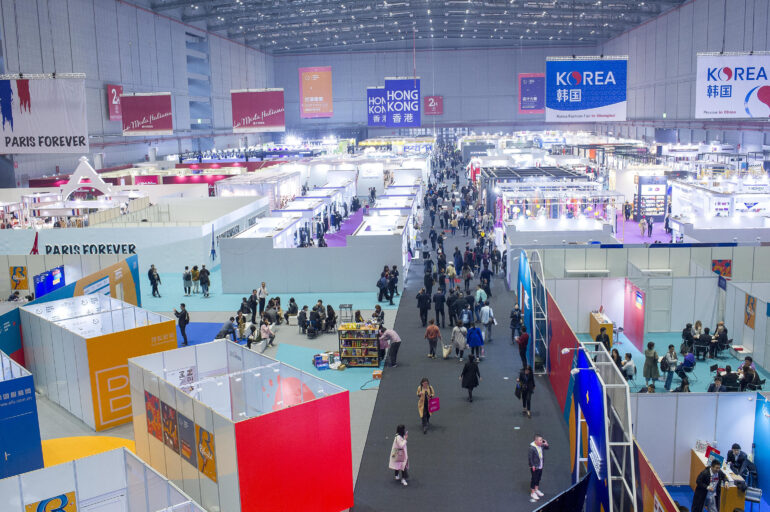
In the vast, labyrinthine expanse of the Shanghai National Exhibition & Convention Center, the atmosphere that has reigned since yesterday is unlike any other. Through August 27, the Chinese metropolis is living to the rhythm of Chic Autumn, an event that, far beyond the numbers, tells the story of a profound transformation in an industry searching for meaning. While the spring session, held last March, made a lasting impression with its sheer scale—more than 160,000 visitors flocked to discover the offerings of 1,335 brands across an area exceeding 117,000 square meters— this fall edition offers a more focused, almost surgical approach. With 53,000 square meters dedicated to the exhibition and 738 handpicked exhibitors, the event expects approximately 60,000 industry professionals. This shift in scale is not a step backward, but a sign of growing maturity: here, the focus is no longer solely on volume, but on stylistic and commercial relevance.
The true beating heart of this edition lies in a new feature that is capturing everyone’s attention: the area dubbed “Chinese Style.” For the first time, an entire zone is dedicated to designers and brands that have decided to break free from the conventions of imitation to embrace their own heritage. What we’re seeing is no longer “Made in China,” but rather a self-assured form of “Designed in China.” This new generation of designers isn’t content to simply draw from the past in a museum-like manner; it reinterprets traditional aesthetics and ancestral craftsmanship through a resolutely contemporary lens. For observers walking the aisles, this shift reflects a renewed confidence in identity—a cultural assertion that transforms clothing into a vehicle for national pride and global sophistication.
Craftsmanship as a Manifesto in the Digital Age
Amid the tech booths, a more contemplative silence surrounds the demonstrations of manual craftsmanship. China’s artisanal heritage takes center stage this year, offering a poignant counterpoint to the fast pace of industrial fashion. Visitors can learn the secrets of braided thread embellishments or marvel at the delicacy of Song embroidery. These workshops are not merely passing attractions; they underscore the organizers’ desire to re-anchor Chinese fashion in the long term—the realm of the hand and the precise gesture. It is a direct response to a growing demand for products with a soul and a history, far removed from mass standardization.
Yet this celebration of tradition does not turn its back on the future. This year’s program includes eight strategic discussion sessions that outline the contours of tomorrow’s fashion. The discussions venture into the realm of AI-assisted design and the digital transformation of production chains. How can we reconcile the age-old art of cross-stitching with algorithms? That is the central challenge of this edition. The topics covered—ranging from expansion into international markets to the digitization of retail outlets—show that industry players in Shanghai have no intention of choosing between their past and their technological future.
A High-Frequency Business Hub
While aesthetics take center stage, economic reality remains the main driving force behind Chic Autumn. The organizers have set up a particularly extensive business matchmaking program within Hall 2.1. Four major matchmaking sessions punctuate the three-day event, including the Fashion Business Brand Matchmaking Fair and the Taobao Apparel Brand Matchmaking Fair. The latter highlights the vital interconnection between physical design and the giant e-commerce platforms that dominate the Chinese domestic market. For local brands, the challenge is to translate the trade show’s visibility into concrete market share—both in brick-and-mortar stores and on consumers’ smartphone screens.

The event’s international dimension remains a central pillar, despite the emphasis on domestic design. Delegations from Italy, the United Arab Emirates, South Korea, Japan, and India made the trip, demonstrating Shanghai’s enduring appeal as a gateway to Asia. The Chic Worldwide platform serves as a bridge here: it enables foreign companies to navigate the intricacies of an increasingly demanding Chinese market, while offering local brands with global ambitions a showcase to attract international buyers. It’s a dynamic interplay of influences where every player seeks a key to understanding the global fashion landscape.
Precise categorization for a segmented market
To navigate this vast array of offerings, the trade show is organized around eleven thematic segments that reflect the increasingly granular segmentation of consumer markets in China. From the Chic Men’s universe to Denim World, including the Chic Winter’s sector as well as accessories, footwear, and leather goods, every aspect of the wardrobe is explored. Special attention is being paid this year to the Outdoor & Sports segment, reflecting a shift in the lifestyle of China’s middle class, which is increasingly focused on active leisure and wellness. The Chic Impulses and Digital Fashion areas round out this overview by highlighting the most avant-garde trends and technological solutions applied to apparel.
The visitor experience is also designed to fuel social media, with photo booths and displays created to be shared instantly. In a country where digital imagery often precedes a purchase, this “experiential” dimension has become an integral part of the wholesale trade. Every booth and every aisle of the National Exhibition & Convention Center becomes the stage for ongoing visual communication, where clothing exists as much through its physical form as through its virtual representation.
While this fall edition is in full swing, eyes are already turning toward the future. The fashion cycle in Shanghai never truly stops: the organizers have already set the date for the next major event. The Chic Spring 2027 session will take place from March 10 to 12, once again in this same architectural complex, in what is already shaping up to be another showcase of the Asian textile industry’s strength. By then, the lessons learned from those three days in August will have had time to inspire upcoming collections, blending embroidered heritage with software innovation.