
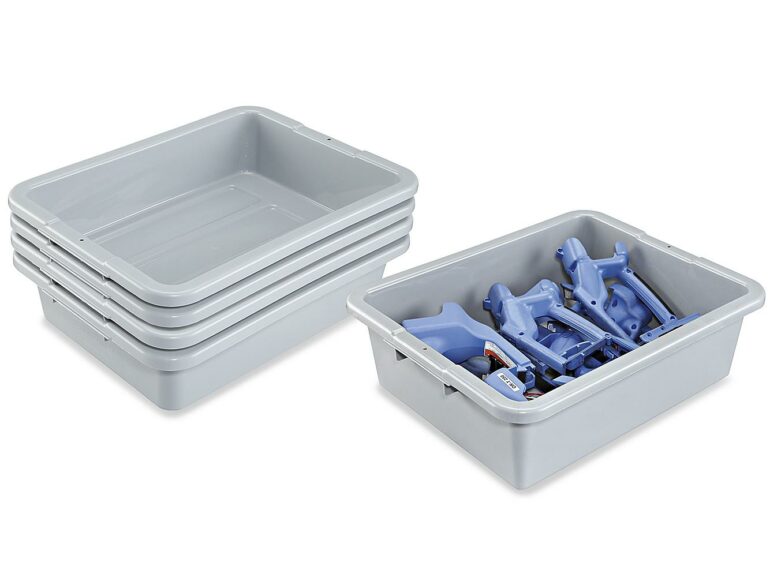
The gray plastic tray at airport security is undoubtedly the most democratic place in the world, but it’s also where dignity and aesthetics go out the window. There is something deeply unfair about seeing a cap from Lock & Co Hatters—whose structure is usually impeccable—end up crushed beneath the black rubber flaps of the X-ray machine. Next to it, an expensive watch—which you were forced to remove despite your protests—lies alongside a Montblanc pen, leaving you wondering if it will emerge intact from this mechanical maelstrom. This is the moment of truth, when you find yourself wondering what on earth was going through your head when you packed your bags or emptied your pockets.
The Hangover of the Terminal
It often begins with an abrupt break. The night before, the night seemed as though it would never end—a promise of eternity filled with parties and encounters under a starry sky. Then reality hits: 9:03 a.m. Alarms blare in unison—your phone, the hotel front desk, your survival instinct. Suddenly, you find yourself thrust into the pressurized air of the airport, frowning, dressed far too warmly for the ambient temperature, trying to navigate your way through security checks with a mind still reeling.
For most travelers, this space is a necessary evil, a parenthesis of pure boredom spent with arms crossed, observing the passenger in front of you with morbid fascination. She seems to have decided to pack an entire hardware store into her carry-on bag: a thermos of guandolo, a water flask, industrial quantities of breast milk, and—why not?—a roller blind. Meanwhile, the bins clatter against one another on the conveyor belt, a veritable procession of personal items thrown to the mercy of everyone’s gaze.
The Theater of the Absurd and the Little Bosses
They call it “security,” but the experience often feels like a particularly slow form of bureaucratic torture. Some agents possess a certain, almost Olympic-level talent for turning diligence into an exercise in petty power. It’s the man with the cotton swab, the tight-lipped expression, and a uniform that looks highly flammable, who gives you that withering look: “Is this your bag, sir? May I take a look?”
At that moment, your heart sinks. It’s the start of a humiliating search where every item is taken out, scrutinized, and turned inside out. You want to scream that this jar of honey is sealed, that you don’t travel with a vacuum sealer to hide explosives in an artisanal product. You’d like to explain that this honey is complex and tangy, light-years away from what you find at the local supermarket. But faced with the officer’s zeal, you end up dumping everything into a trash can, only to be invited—the height of irony—to buy an almost identical product at an exorbitant price in the shop located right behind security. It’s a system that almost makes you miss your flight, all while stripping you of your hard-earned little luxuries.
The fantasy of a screening lane for savvy travelers
It’s time to come up with an alternative. Just like the “EU” and “non-EU” lines, why not set up screening lanes based on common sense? One lane for those who understand the ins and outs of travel, and another for everyone else. Because, really, what should actually be banned from the cabin?
Travel is a quest for flavors and tangible memories. We bring back honey from Istria, jam from the Alentejo, olive oil from Patmos, or a creamy Reblochon from Haute-Savoie. We slip massage oil from Chiang Mai, German magazines with unpronounceable titles, or even—why not?—a small ivory-handled pistol found in Louisiana into our luggage. These objects are the guardians of our vacation’s magic. They are the tangible link between the exoticism of departure and the mundane reality of return. Yet, in the eyes of security, they are nothing more than potential threats—suspicious liquids or blunt objects—that must be neutralized at all costs.

Contraband Souvenirs and Forgotten Freedoms
Yet there was a time—or perhaps it’s a matter of latitude—when flexibility prevailed over blind adherence to the rules. We recall a trip to Taipei where you could bring a folding bike into the cabin. Eva Air had a refreshing philosophy back then: “If it fits, we’ll take it.” That’s how imposing works of art from Hong Kong, Moroccan rugs, and an impressive collection of artisanal mezcal from Oaxaca were able to fly across the skies without a hitch. We even saw ginger roots make the trip, without anyone batting an eye.
Transporting animals is another thorny issue. While bringing back a stray kitten from Greece is rarely a good idea in the long run, travelers’ imaginations are filled with more exotic companions. Who hasn’t dreamed of walking through an airport with a brightly colored parrot from Ecuador? It’s easy to picture it: that large macaw named Cortez, perched on seat 7B, after teaching him a few choice words so he’d fit right in with the atmosphere in London’s soccer stadiums.
The idea of locking him in the cargo hold is unbearable. He’d be much more useful as an emotional support animal, with his padded collar and a small stash of sunflower seeds hidden in a pocket. After all, between the stress of the security scanners and the absurdity of current regulations, a rude parrot would undoubtedly be the healthiest travel companion on the entire plane. It’s time for commercial aviation to give us a break, a breather from this obsession with control that ultimately stifles the very soul of travel.
Ultimately, the real challenge of security isn’t just detecting threats, but not destroying what makes travel precious: the chance to bring back a piece of the world with you, without it ending up crushed between two plastic bins or confiscated by an overzealous agent.