
Make Texture a preferred source on Google to support us
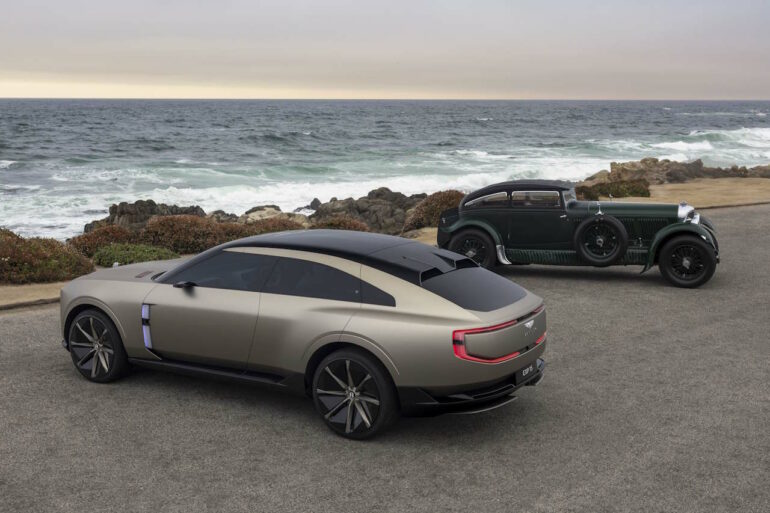
Add Texture to GoogleThe silence of an electric motor sets a new tone. Without the sounds of an internal combustion engine to capture attention, the car’s interior becomes the sole focal point of the sensory experience. The current market for battery-powered vehicles—particularly in the ultra-luxury segment—is, in fact, going through a period of turbulence, marked by a sharp cooling of enthusiasm. Buyers are no longer swayed by the mere promise of a clean powertrain or lightning-fast acceleration. The era of raw technological revolution has passed; customers now demand a sense of familiarity and a continuation of their status. The Crewe-based automaker has perfectly gauged this psychological shift. For its very first battery-powered SUV, named Torcal, the strategy avoids the ostentation of a sudden break with tradition. The challenge is not to reinvent British identity, but to orchestrate a transition in which the electric architecture recedes into the background behind an intact ceremonial framework, while incorporating contemporary sustainability requirements.
Materials as a bulwark against standardization
Proving that a model without internal combustion engines can rival the majesty of its combustion-engine predecessors requires a positioning strategy that leaves no room for half-measures. The Torcal bears this responsibility. The brand’s approach is akin to that of a haute couture atelier faced with new specifications: the goal is to preserve the leather, the wood, and that obsessive attention to craftsmanship, while bringing them into dialogue with an era that demands transparency regarding the origin of materials. Luxury can no longer be content with merely being opulent; it must navigate its own environmental footprint.
This holistic vision takes shape in the treatment of metals. The interior moves beyond simple ornamentation to embrace an almost architectural dimension. The Mulliner division introduces Sunburst Aluminum here. This treatment radically reimagines the traditional engraved finishes—known as “engine-turned”—that historically adorned the company’s dashboards. Through a complex brushing process applied in three distinct directions, the metal surface takes on a mineral-like, cool, and structured appearance. The desired effect moves beyond pure decoration to evoke the exacting standards of industrial craftsmanship: clinical precision, designed to withstand the test of time without showing a single sign of aging.
The Alchemy of Waste and the Rebirth of Walnut
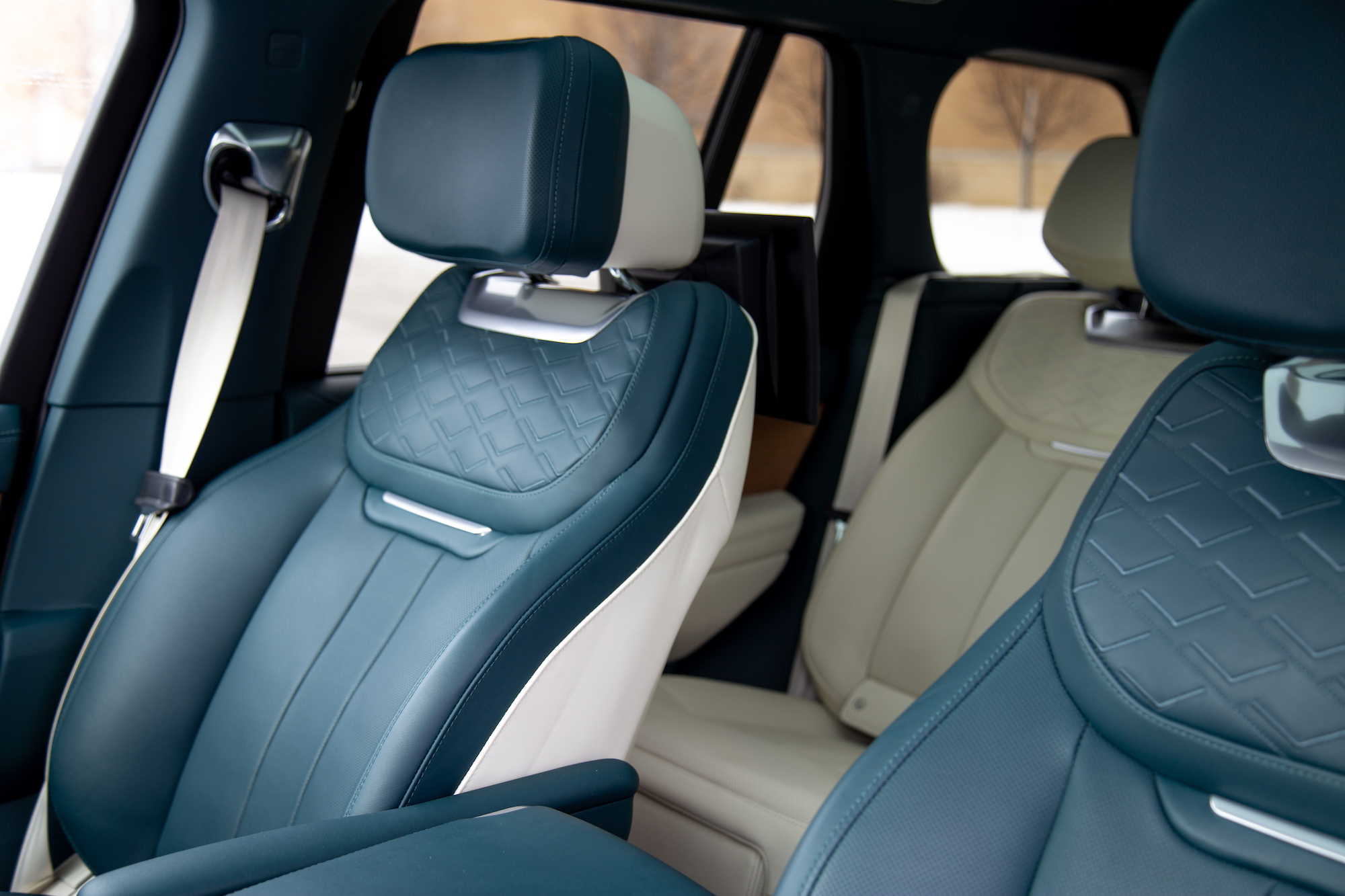
While metal defines the space, wood remains the source of interior warmth—the historic hallmark of interiors crafted across the Channel. However, traditional forestry is giving way to a approach to recycling elevated to the status of fine craftsmanship. Le Torcal is introducing a unique veneer called Ombre Veneer. The technical process behind this name reveals the level of complexity the brand demands to integrate sustainability without compromising its prestige.
The raw material comes from walnut offcuts sourced from responsible supply chains, which are then bonded with recycled paper. The transformation is a physical feat: more than a thousand layers are meticulously stacked and pressed together. This block is then sliced into strips no thicker than one millimeter. The visual result features a subtle gradient shifting between four shades of walnut. Beyond its aesthetic appeal, this method guarantees absolute uniqueness: the pattern created by the compression of the thousand layers varies from one SUV to another. Each owner thus finds themselves with a design that is strictly impossible to replicate.

A Textile Heritage at the Service of the Interior
The most obvious evolution of the Torcal undoubtedly lies in its approach to textiles. Leather now shares the spotlight with merino wool. In the British imagination of luxury, wool holds a special status, evoking bespoke tailoring, the perfect drape of a suit, and natural insulation against the elements. Introducing it into a vehicle of this caliber, however, requires certain guarantees. The material must not only be pleasing to the eye and to the touch but, above all, withstand the abrasion, temperature fluctuations, and friction inherent in the daily life of a car’s interior.
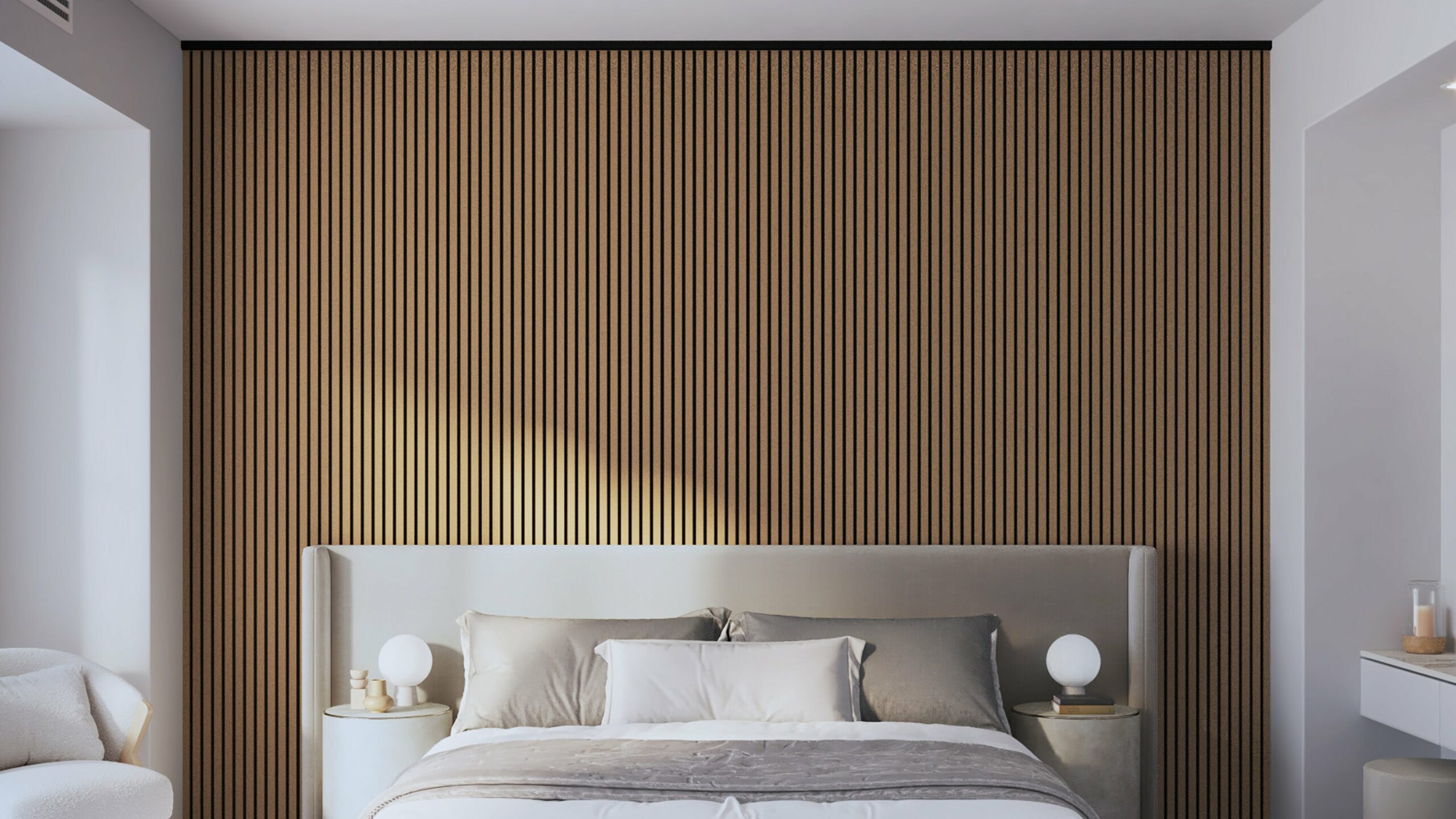
To solve this challenge, the automaker turned to Somerset, partnering with Fox Brothers. This textile manufacturer, whose origins date back to the 18th century, has developed a fabric capable of meeting the automotive industry’s stringent standards while retaining the suppleness of haute couture. The brand’s commitment is also reflected in the fabric’s certification, which is 100% validated by the Responsible Wool Standard. Available in six specific colors to adorn the Torcal’s interior, this merino wool does not disrupt the habits of a clientele attached to its traditions; rather, it offers an alternative where tactile warmth is paired with rigorous traceability.
A Long-Term Commitment
The automotive industry is going through a phase where initial enthusiasm for charging stations is clashing with buyers’ pragmatism. In this wait-and-see atmosphere, choosing continuity is a bold move. Electrification should not be seen as a sacrifice, nor as a blank slate that would erase a century of history. It fits in as a logical step, a quiet evolution of expertise already mastered.
The Torcal’s final silhouette and its entire electric architecture will be unveiled to the public during the official presentation scheduled for September 23. Until then, the glimpses revealed bit by bit confirm a clear direction. Whether it involves pressing a thousand sheets of paper and walnut wood, brushing aluminum along three axes, or weaving wool backed by three centuries of expertise, the method remains unchanged. The absence of an internal combustion engine in no way alters the brand’s true driving force: handcrafted work, stubbornly rooted in the workshops of Crewe, where the future is forged with the tools of the past.