
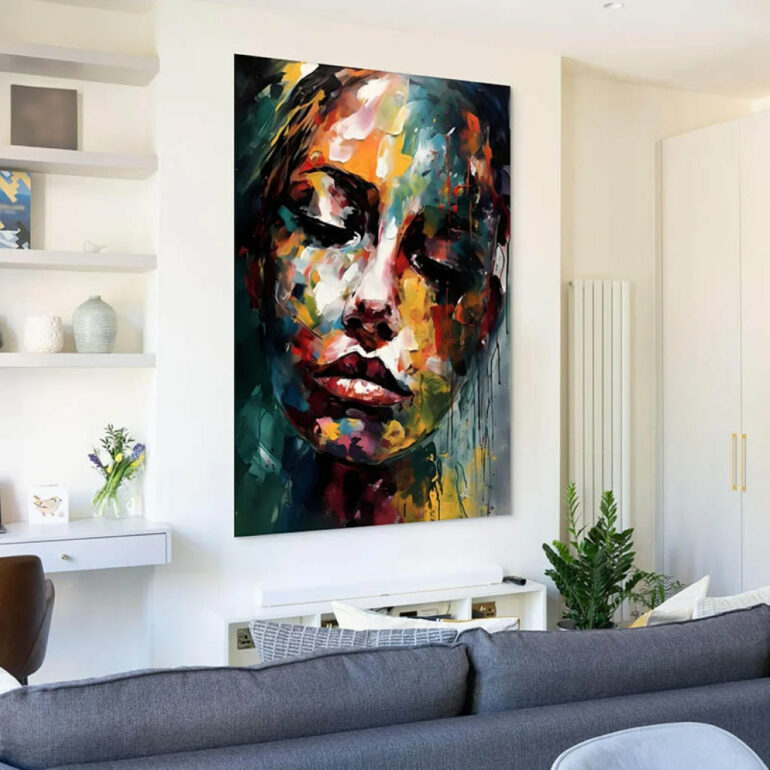
The transition from an impulsive purchase to a carefully curated collection depends on clearly defining a guiding principle, methodically managing acquisitions, and paying meticulous attention to both conservation and human relationships. Building a coherent and sustainable artistic legacy requires not so much a stroke of luck as a genuine shift in perspective. The starting point is very simple: define a vision, then accept that a collection is built as much through what is left out as through what is added. According to the experts at Cameron Journal, this discipline is far more valuable than the glamour of a spectacular first purchase. The recommendations from Arte Delux and Concierge d’Art converge on this same pursuit of excellence: clarity, patience, and aesthetic integrity. (artedelux.com)
The Elegance of a Guiding Principle
A collection truly comes into its own when it follows a specific intention. While the casual art lover may be guided solely by the aesthetic thrill of the moment, those who aspire to build a cohesive body of work know exactly why a new piece must be incorporated into their space. Whether thematic, geographic, generational, or dedicated to a specific medium, this direction is essential. Arte Delux recommends outlining this direction in advance, so as not to get lost in the vastness of the catalogs. Concierge d’Art also invites newcomers to cultivate the art of prolonged observation before making a decision. (artedelux.com)
Far from any elitist approach, this method reconnects with the great tradition of taste, an heir to cabinets of curiosities and modern curatorial selections, where the spirit emerges from the dialogue between the pieces. Without a clear framework, an accumulation of works risks sinking into mere decoration: a visually pleasing ensemble, but one that is tragically silent. Conversely, a well-thought-out structure allows each creation to resonate with its counterparts, revealing far more than its mere visual dimension. (conciergedart.com)
The Art of Thoughtful Acquisition
There is a consensus among market experts: it is better to acquire fewer pieces, but of higher quality. Arte Delux suggests prioritizing a single masterful piece rather than succumbing to the temptation of making numerous small purchases. Cameron Journal views this approach as a fundamental discipline: selecting and prioritizing to create a harmonious whole. This rigor protects against the frantic urge to fill a void at any cost—which remains the greatest enemy of a truly cultured space. (artedelux.com)
In this quest, limited editions offer a subtle alternative. They complement original works by introducing a controlled sense of rarity. Without replacing them, they provide a meaningful way to add nuance to a collection. The key is to resist impulse, which offers only an illusion of movement without providing a true architectural foundation for your approach. (artedelux.com)
The Memory of the Work: Documentation and Preservation
The line between a mere succession of purchases and a collection worthy of the name lies in the rigor of its documentation. It is vitally important to keep invoices, biographical notes, certificates of authenticity, and care instructions. Establishing a comprehensive archiving system from the very first acquisition is essential. ArtBusiness echoes this sentiment, noting that a detailed receipt and exhaustive information on the artwork’s history, provenance, and authenticity are non-negotiable prerequisites.
Far from being a mere footnote, provenance is of paramount importance during a resale, an institutional loan, or the transfer of an estate. Careful monitoring of prices at public or private auctions also ensures the soundness of the investment. Art is no exception to this rule: the allure of rarity must never overshadow the need for clear-headed analysis.

When it comes to conservation, there can be no compromise. The use of archival-quality materials, museum-grade framing, and strict protection against external elements are essential. UV rays and fluctuations in temperature or humidity compromise the longevity of a work of art. True contemporary luxury lies less in the act of purchasing itself than in the ability to enhance and preserve this heritage for the long term. (artedelux.com)
A Commitment Beyond the Transaction
The current art market demonstrates that acquisition transcends a simple financial transaction. The 2024 Art Basel and UBS report reveals that a significant proportion of collectors are turning to new galleries. This trend illustrates a thirst for exploration and a desire to forge special connections with artists and their representatives. (ubs.com)
It is essential to immerse oneself in the creative process, discuss the origins of the works, and clarify logistical details before making any decisions. The motivations driving today’s collectors go far beyond speculation: they stem from a deep personal commitment, active support for artists, and a desire to build a timeless legacy. (conciergedart.com)
Consistency That Stands the Test of Time
Taking on the role of a collector does not mean accelerating the pace of acquisitions, but rather cultivating a lasting attention to detail. Observing keenly before investing, documenting meticulously, and viewing each piece as an essential component of an overall symphony: that is the secret. It is a celebration of active slowness, an elegant resistance to the immediacy of our times. In art, as in the design of exceptional homes, precision always ultimately triumphs over abundance.