
Cracks in Prestige: When Social and Thermal Conditions Make Their Way into the Museum
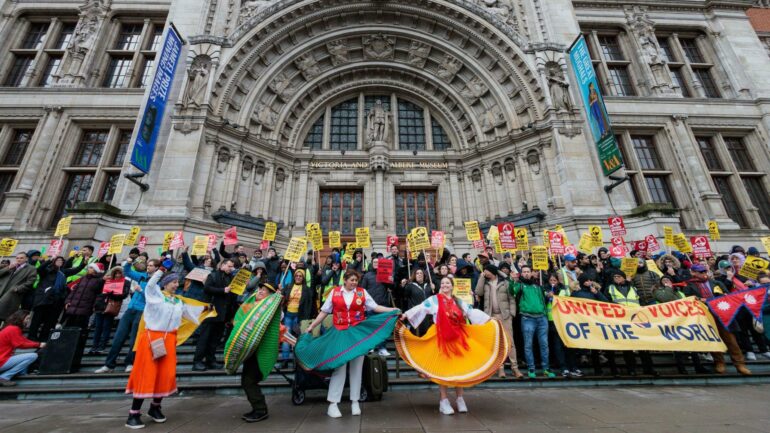
In the hushed corridors of major cultural institutions, the only commotion is usually that of visitors jostling to view the masterpieces. Yet a more pragmatic and physical wave of protest is currently sweeping through the halls of the V&A. The workers at this leading London institution have taken a radical step: they have decided to walk off the job. This vote to strike is not based solely on wage demands, although the issue of pay is at the heart of the discontent. A more immediate and tangible factor has entered the debate: the heat. In historic buildings that are sometimes ill-suited to record-breaking temperatures, working conditions have become a matter of health and dignity, turning the galleries into saunas for those who bring them to life every day.
This mobilization highlights a growing tension within world-renowned museum institutions. On one hand, the image of intellectual luxury and timeless preservation; on the other, the material reality of staff grappling with inflation and uncomfortable temperatures. The message sent by this vote is crystal clear: the prestige of a location in South Kensington is no longer enough to compensate for paychecks deemed insufficient given the current cost of living, nor for the lack of concrete measures to address rising temperatures inside the exhibition halls.
Conquering the West: A New London Outpost in New York
While social demands are shaking up public institutions, the private sector, for its part, is pursuing its strategy of geographic expansion with unwavering confidence. A major player on the London art scene is thus preparing to cross the Atlantic to set up shop in New York. This outpost project—the gallery’s first on American soil—marks a pivotal milestone in its international development. Opening such a space is never a trivial matter; it is a statement of power and a desire to gain direct access to the world’s leading art market.
The choice of New York for this first location outside the United Kingdom confirms the enduring appeal of the American metropolis, despite global shifts in the market. For this London-based gallery, the goal is to transform a network of American collectors—often managed remotely—into a physical, day-to-day presence deeply rooted in the local community. This expansion strategy demonstrates that, for private players, growth depends on increasing the number of direct points of contact, far removed from the uncertainties weighing on more sedentary public institutions.
From the Ephemeral to the Enduring: The Wolf Kahn Foundation’s Establishment
On a more institutional—but equally strategic—note, the Wolf Kahn Foundation is crossing a crucial threshold of maturity. The organization has just announced the acquisition of a permanent headquarters, a decision that marks the end of a transitional era and the beginning of a phase of consolidation for the artist’s legacy. Having a permanent headquarters is not just a matter of logistics or office space; it is an act of enshrining the foundation’s mission.

This permanent location enables the foundation to plan for the long-term management of the archives, the preservation of the works, and the dissemination of Wolf Kahn’s ideas. In an art world where everything sometimes seems to be accelerating, the choice of a permanent physical location is a statement of stability. It provides the foundation with a solid foundation from which to orchestrate its future projects and ensure that the artist’s voice continues to resonate in a structured and independent manner. It is a physical anchor that counters market volatility with the solidity of stone.
An Artistic Landscape Undergoing Structural Change
These various movements, though distinct in nature, paint a complex picture of the cultural sector as summer draws to a close. Two realities stand in contrast: on the one hand, the difficulty historic institutions face in maintaining a stable social contract with their employees in the face of economic and climate challenges; on the other hand, the vitality of the private sector and artists’ foundations, which are investing heavily in brick-and-mortar spaces and territorial expansion. From the strike at the V&A to the opening of a new gallery in Manhattan, the tension between preserving existing heritage and the appetite for new horizons is on full display.
The fact that these developments are emerging simultaneously is not merely a coincidence of timing, but a reflection of an industry seeking its balance. As foundations become more established and galleries expand, the issue of worker well-being within museums is becoming a matter that management can no longer ignore. The resilience of cultural institutions will depend, in the future, on their ability to reconcile their international influence with the very concrete—and sometimes pressing—management of their human reality.