
Make Texture a preferred source on Google to support us
Add Texture to GoogleBeneath the glass roof, the mechanics of capital
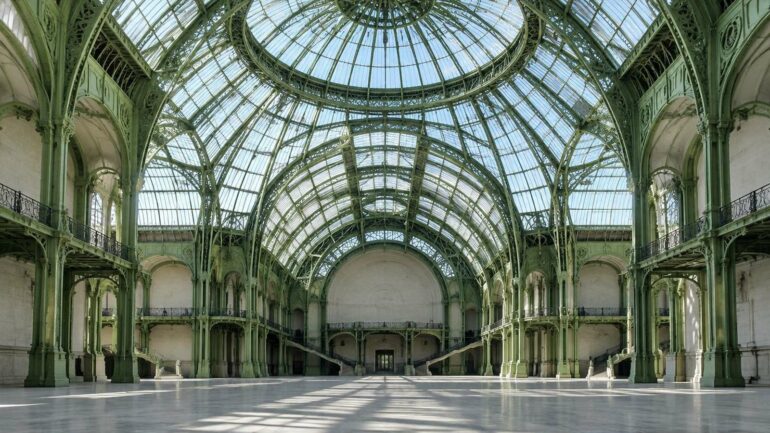
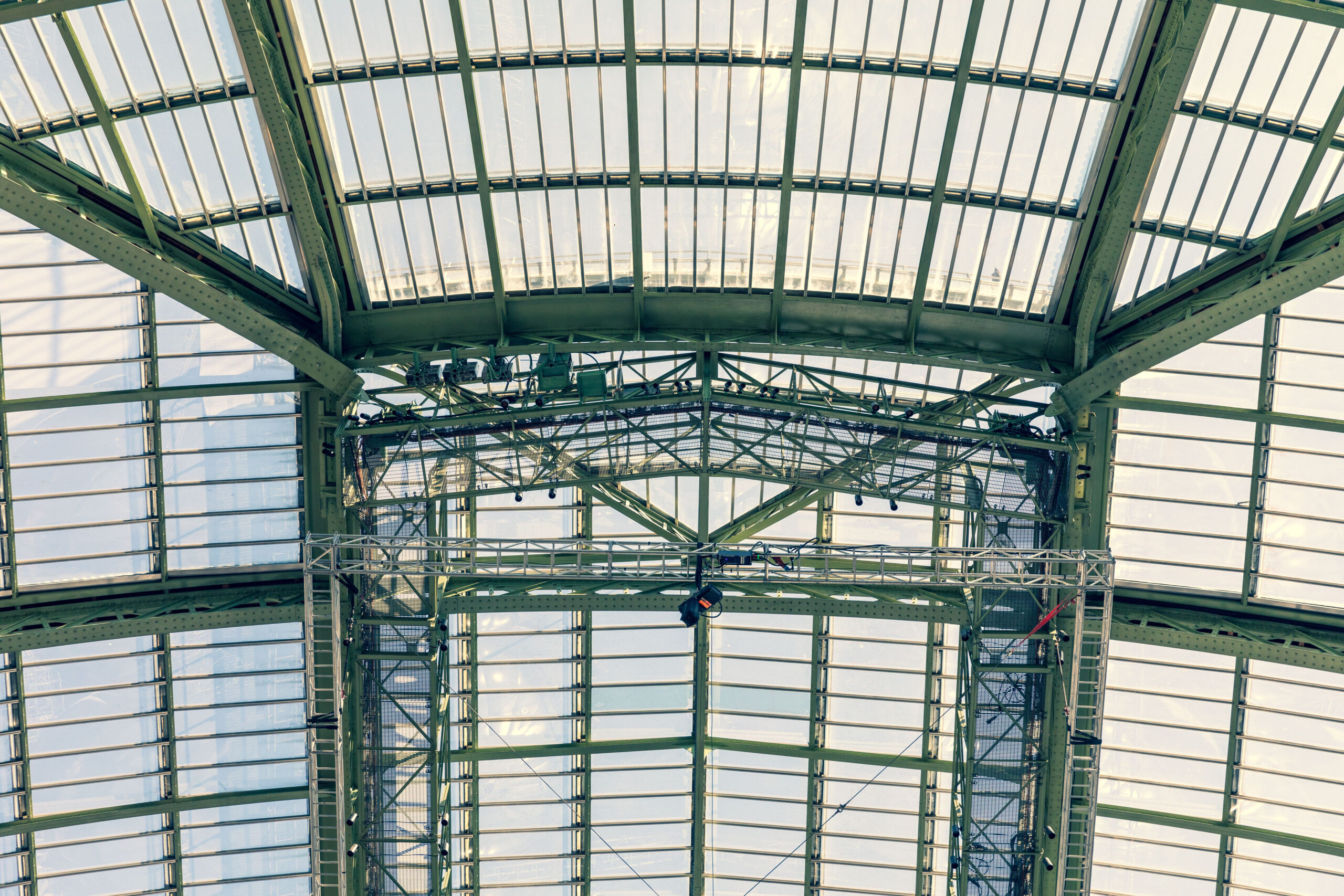
On Tuesday afternoon, the light streaming through the Grand Palais’s immense roof illuminates a scene whose choreography is precise down to the millimeter. Beneath the tangled web of green-painted steel—a remnant of a centuries-old industrial ambition—the preview for ultra-privileged collectors kicks off. The atmosphere is anything but a leisurely aesthetic stroll. In the ground-floor aisles, discussions begin and end with formidable speed, punctuated by handshakes that seal deals even before the general public has had a chance to glimpse the works. On Wednesday evening, as the doors are about to close on the event’s first few days, most of the major deals have already been finalized—or are on the verge of being so. Art Basel Paris has transformed, and its new face is one of clinical efficiency.
It is no longer the thrill of the unknown that sets the pace, but the certainty of the investment. With a cohort of nearly two hundred exhibitors, the Paris fair has reached a scale that leaves no room for trial and error. Improvisation gives way to price tags displaying six-, seven-, or eight-figure sums. At this level of transaction, the contemporary art market demands visual and historical guarantees. The majestic historic site hosting the event offers precisely this symbolic endorsement: a silent dialogue between historic French architecture and the raw power of global financial flows. The building itself seems to be part of the transaction, enveloping ultra-contemporary works in a setting of absolute respectability.
The End of Chaos, the Triumph of Consolidation
The shift is evident to anyone who has been observing major international art fairs over the past decade. As it has matured, the Paris art fair scene has become more rigid. It is moving away from its initial role as a trailblazer to fully embrace its status as a registry for established market values. The central spaces—those toward which all eyes instantly turn upon entering—are dominated by a logic of prestige. People no longer come here to discover the talent of tomorrow, but to acquire today’s safe-haven assets.
This shift toward the high end is driven by an implacable economic logic. The more the event becomes an undisputed global hub, the more it draws in the world’s major works, transforming its main aisles into a showcase of spectacular confirmations. For dealers, the equation is a resounding success, proving that there is genuine, deep demand for exceptional pieces in the French capital. But this commercial power comes at a high cost in terms of pure emotion. The fair has abandoned that element of fertile chaos, those visual surprises that once were the spice of great artistic gatherings. The ground-floor tour has become predictable, dominated by expected names and tailored to satisfy a demand that seeks not to be jostled, but reassured.
The Upper Level: Reclaiming the Gaze
Yet the building imposes its own map and offers an escape from this speculative frenzy. The divide is both physical and conceptual. While the lower level is a hub of urgency, the clamor of business, and financial trophies, one need only take the stairs to enter a different dimension. The upper floors of the Grand Palais house an entirely different reality—one that is far more nuanced and intellectually stimulating.

It is up here that the tension subsides, giving way to curiosity. The galleries relegated—or rather, preserved—on the balconies feature exhibitions where the artwork demands time to be appreciated. Freed from the immediate pressure of spectacular profitability, the exhibits regain their dignity. Here, dealers pay close attention to visual storytelling, prioritizing the coherence of a cohesive vision over the dazzling impact of a single piece. Visitors who take the time to venture here rediscover what it means to look. The eye is no longer assaulted by displays of wealth; instead, it is invited to explore. It is here, far from the hurried whispers of the ground floor, that the most enduring experiences of this edition are found.
A New Language to Decipher
Ultimately, the Paris event now demands a dual interpretation from its audience. Accepting the rules of the game means looking up—both literally and figuratively. Reducing Art Basel Paris to its noisiest level would be to miss its current complexity. The event has settled into a clear reality: prestige is no longer an anomaly or a one-off spectacle; it constitutes the very backbone of the fair, its everyday vocabulary.
This precision of execution possesses an undeniable power of attraction in an international cultural landscape often saturated with confusing signals. Collectors navigate a clear and reassuring environment. But the danger of such a well-oiled machine lies in the confusion between the obviousness of an expensive work and the merit of a powerful one. While the market has definitively settled in for the winter beneath the glass roofs of Paris, the challenge in the coming years will no longer be to break sales records. It will be to ensure that, behind the perfect alignment of zeros, the surface of art continues to reveal a few cracks.